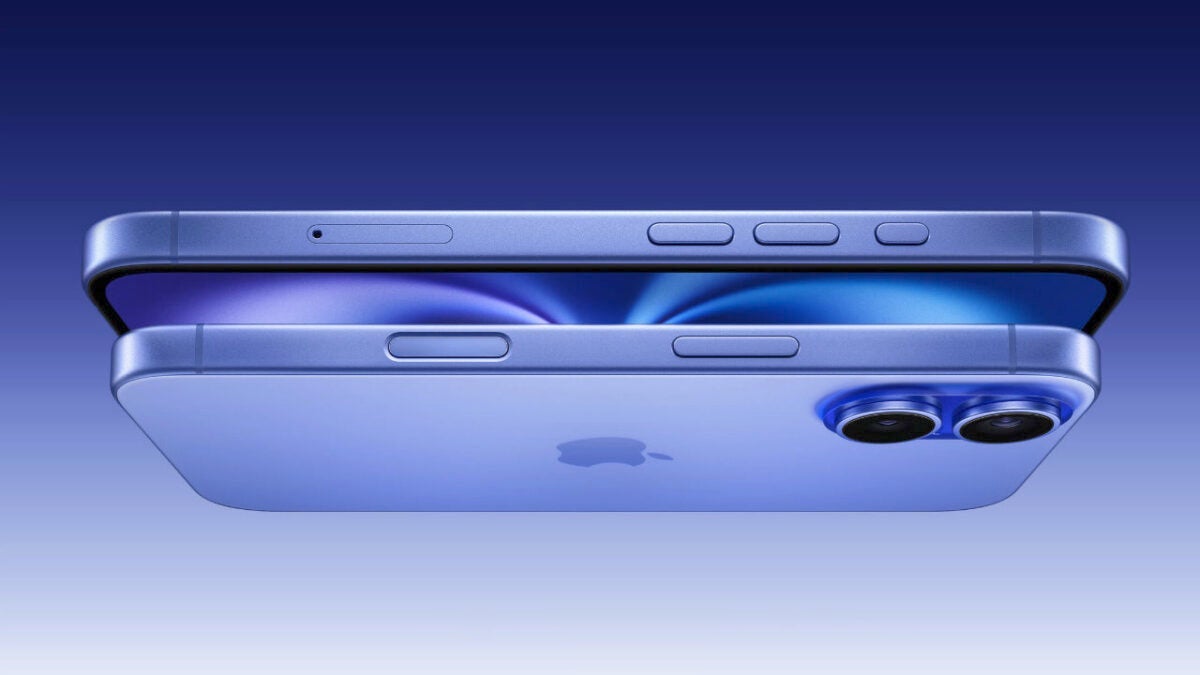
The arrival of the iPhone 16, just a week ago, has brought significant new features to Apple’s phones. The Camera Control, the redesigned screen, and other internal modifications notably improve the experience. The iPhone 16 would have been quite different, as several changes for the iPhone 16 never materialized. During the development process, Apple decided to discard some key design elements. Let’s see which ones.

The capacitive action button: Project Atlas
One of the most significant modifications that never reached the final version of the iPhone 16 is the capacitive action button, which Apple developed under the code name Project Atlas. This button was intended to evolve the mechanical action button, introduced for the first time with the iPhone 15 Pro. It allows us to assign different functions according to our needs, such as opening the camera or activating the flashlight.
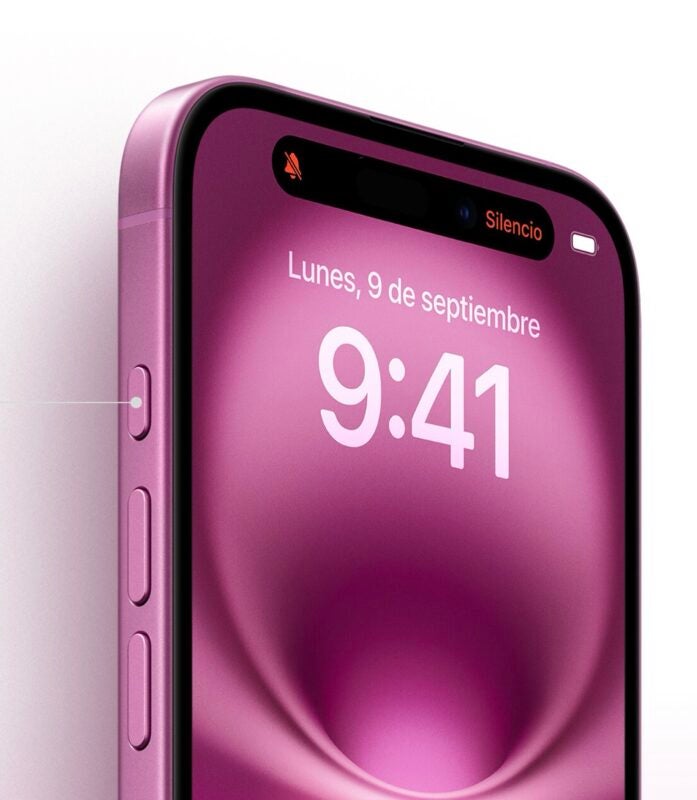
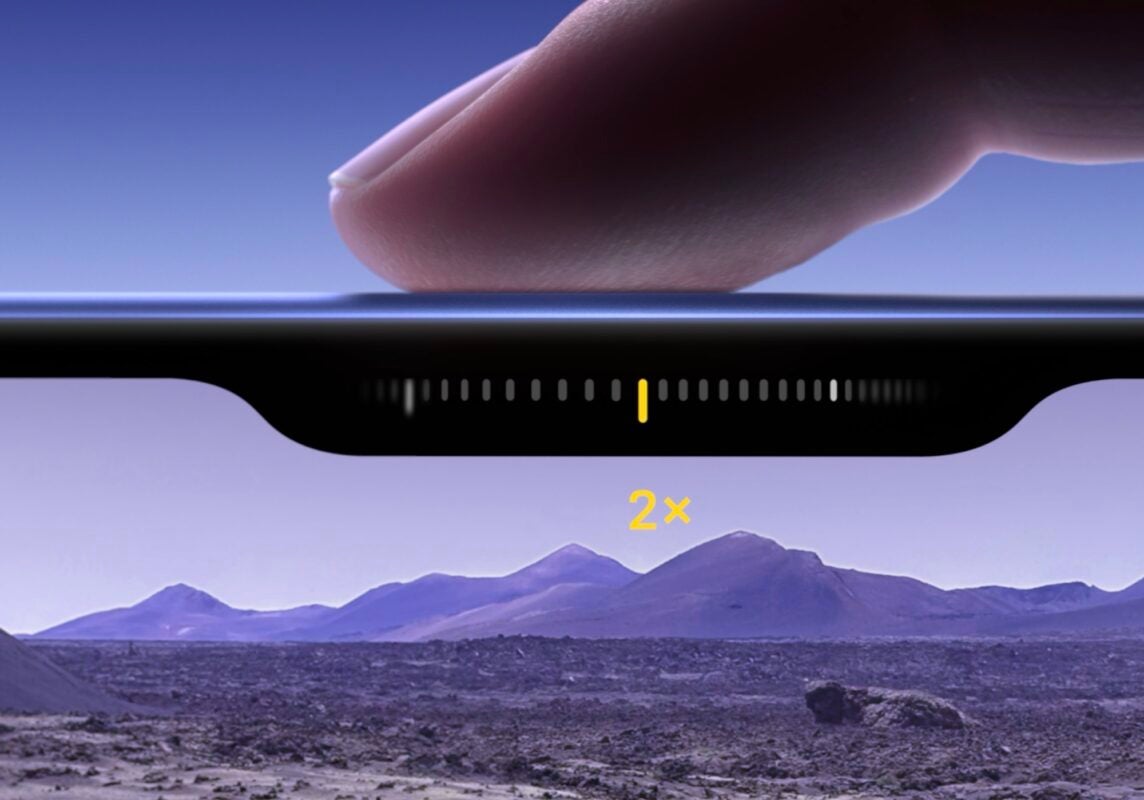
The goal of Apple with Project Atlas was to add additional functionalities to this button, making it similar to the new Camera Control, known as Project Nova. The capacitive button would have allowed for the detection of different pressure levels, which would have expanded the possibilities of interaction with the device, enabling gestures such as light presses or swipes. Something, it must also be said, that would have reduced the simplicity of a button that is designed to allow us a quick action. Perhaps that is why it disappeared, at least for now, from Apple’s plans.
The Bongo Project: unified haptic buttons
Another project Apple considered for the iPhone 16 was Project Bongo, which, as reported by AppleInsider, aimed to transform the volume and power buttons using haptic technology. Instead of traditional mechanical buttons, the iPhone 16 could have featured a single volume button with a split design to differentiate between increasing and decreasing the volume. These buttons would use haptic motors to simulate the click sensation when pressed.
This design was originally planned for the iPhone 15 Pro, but it was discarded in the final stage of development. Apple also decided to abandon this concept for the iPhone 16, as it did not meet their quality standards in terms of performance and durability. Although the idea of a unified design was attractive, Apple chose to keep the traditional buttons to ensure a more reliable experience in something as simple but relevant as adjusting the volume of our iPhone.
Camera design changes
Another aspect in which Apple experimented was the design of the rear camera of the iPhone 16. From the first prototypes of the device, the camera followed a vertical arrangement similar to that of the iPhone 12.
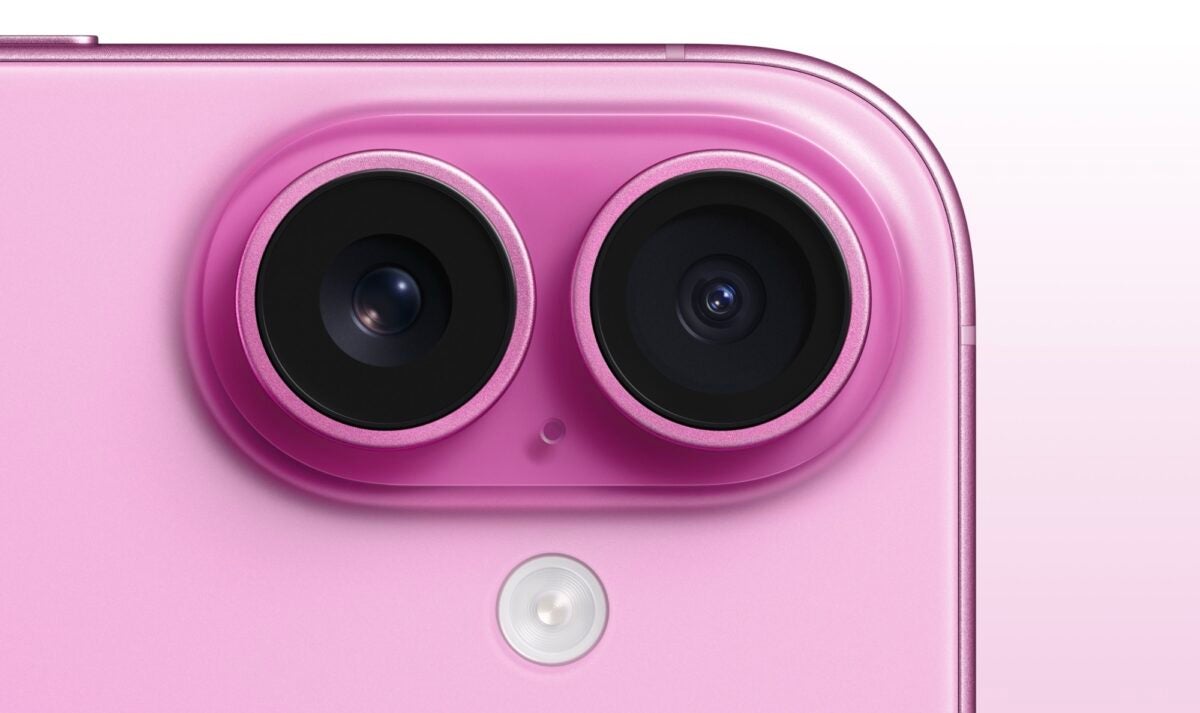
During development, two designs were considered. One resembled the iPhone X camera design, with a horizontal layout and a pill-shaped casing. The other maintained the style of the iPhone 12 but with a slight modification in the size of the camera module. Finally, Apple opted for a third design that combines elements of both styles with a modern yet familiar look to the camera module of the iPhone 16.
Although many of these projects were left on the drawing board, it doesn’t necessarily mean they are forgotten. Apple should start working on the design of the new iPhone 17 around the beginning of the year, so we will soon hear rumors about what is to come. Rumors that, as always, will include designs and ideas that may have been left behind for one reason or another. What is clear is that year after year, there are a thousand no’s for every yes.
