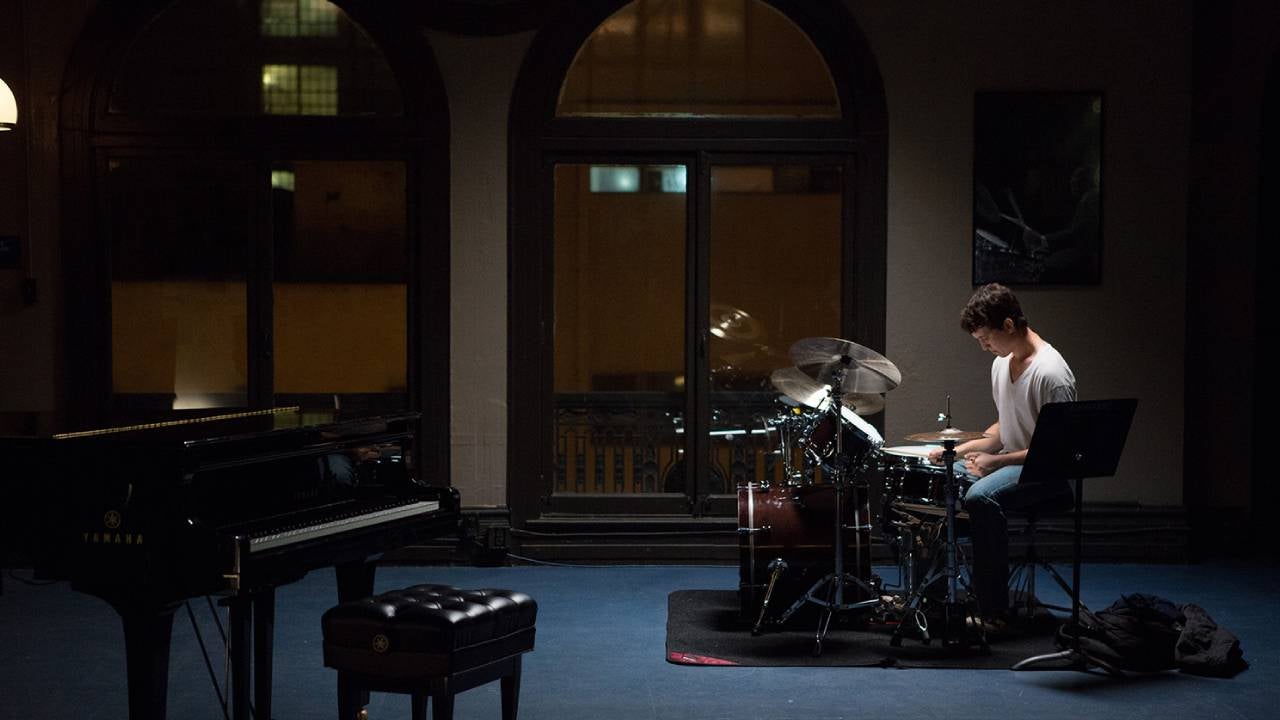
A decade ago, in 2014, Whiplash burst onto cinema screens, leaving an indelible mark on the modern history of this art, thanks to a unique story that relates art, obsession, and power in a unique way. Whiplash was Damien Chazelle’s first film, who subsequently won the Oscar for the impactful La La Land, but many still consider this to be his best film.

Subscribe to the Softonic newsletter and get the latest in tech, gaming, entertainment and deals right in your inbox.
Subscribe (it's FREE) ►Whiplash follows the story of Andrew Neiman (Miles Teller), a young drummer who dreams of becoming one of the greats in jazz. Soon, Neiman is admitted to the prestigious Shaffer Conservatory, where he joins the band of the feared and demanding director Terence Fletcher (J.K. Simmons), who subjects his students to a brutal and extreme regime of discipline and perfection. Under his direction, Andrew faces his own physical and psychological limits, putting his health, emotional well-being, and personal relationships at risk in pursuit of greatness.
A Heart-wrenching work
One of the great achievements of Whiplash is that it viscerally explores the delicate balance between artistic passion and destructive obsession. As Andrew strives for perfection in drumming, the relationship between him and Fletcher becomes a battle of wills. Throughout the film, the viewer witnesses a relentless cycle of manipulation, emotional abuse, and control, where the lines between the motivating mentor and the cruel tyrant blur. Chazelle, who also wrote the screenplay, poses a central question to the audience: to what extent can cruelty be justified in the name of art?
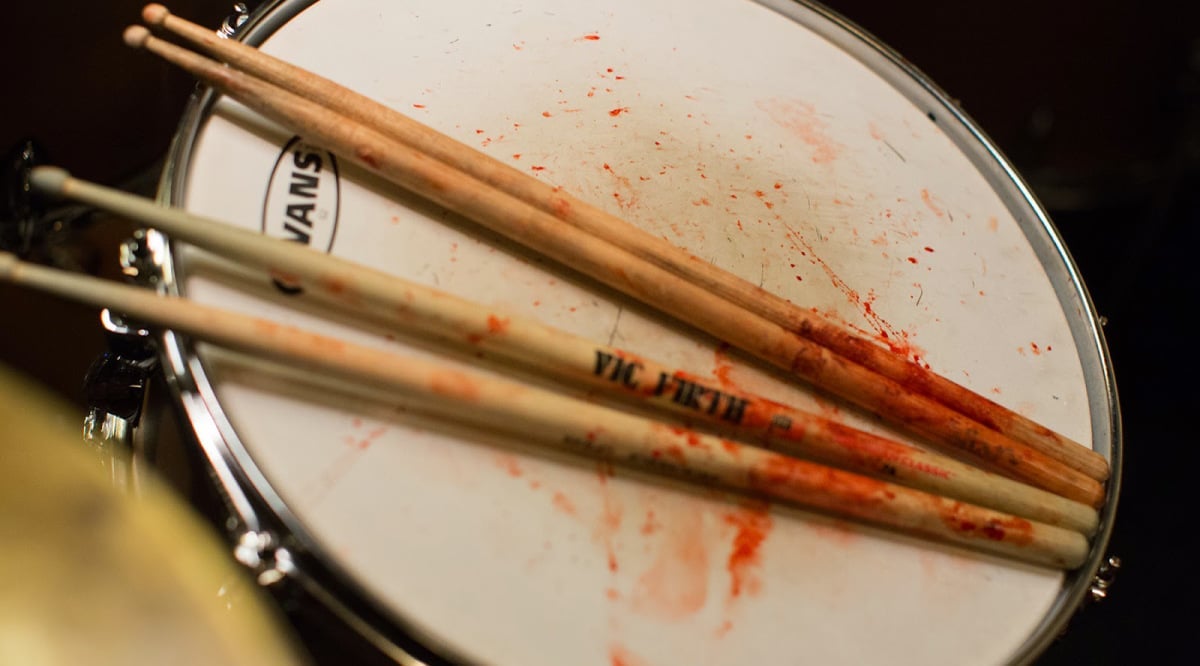
J.K. Simmons is especially commendable in this film. The actor plays a relentless role that earned him the Oscar for Best Supporting Actor. With his imposing presence and aggressive teaching methodology, Fletcher is the kind of character that both fascinates and terrifies. In fact, his monologue about mediocrity and greatness has become one of the most remembered and studied scenes in contemporary cinema. Without a doubt, its tenth anniversary is a perfect moment to revisit Whiplash and understand the reason for its greatness.