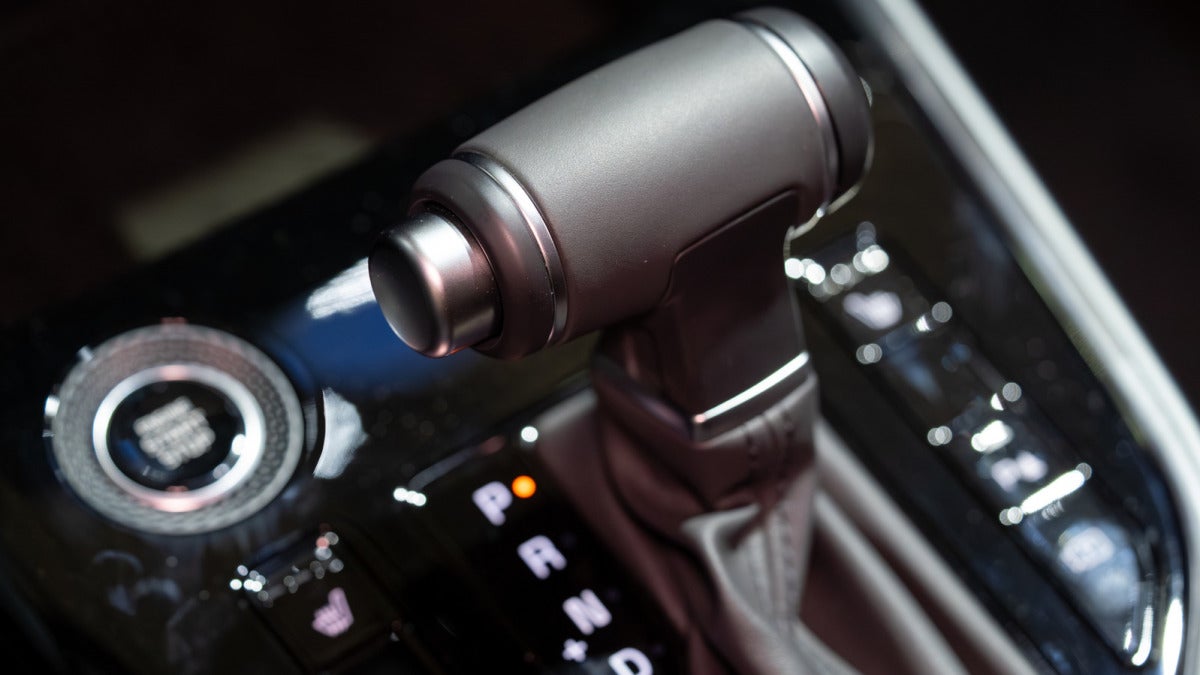
By 2026, that old rule of thumb, that a manual is always more reliable than an automatic, doesn’t really hold up the way it used to. Modern automatics have closed a lot of that gap, and in some cases they’re actually the safer choice.
On paper, manuals still have the edge because they’re simpler: no torque converter, fewer hydraulic controls, fewer parts overall. That simplicity can help older or more basic drivetrains last a long time. But manuals also depend a lot more on the person driving them. Ride the clutch, miss shifts, launch the car hard, or just shift poorly over time, and wear shows up quickly. Clutch replacement often comes due somewhere between 60,000 and 100,000 miles.
Automatics, meanwhile, have gotten a lot better thanks to improvements in engineering, materials, tolerances, and software. Some transmissions, especially the ZF 8HP eight-speed automatic, have built a strong reputation for durability, and they do it while taking driver error out of the equation.
If you commute every day, an automatic is often the smarter pick. But it still needs fluid service, especially if you tow or deal with a lot of heat. Skip that, and problems tend to follow. It also helps to separate the types: traditional torque-converter automatics are usually pretty tough, some CVTs have a higher rate of trouble, and dual-clutch transmissions (DCTs) give you quick shifts and better efficiency at the cost of higher maintenance or repair bills.
The market reflects all of this. Automatics dominate in the U.S. Manuals still show up in cheaper cars, performance models, and enthusiast corners of the market, and they’re more common in Europe. But in 2026, reliability has more to do with transmission design, maintenance, heat, and the way the car is driven than with whether there’s a clutch pedal.

Author: Chema Carvajal Sarabia
{
"de-DE": "Journalist, spezialisiert auf Technologie, Unterhaltung und Videospiele. Über das zu schreiben, was mich begeistert (Gadgets, Spiele und Filme), ermöglicht es mir, bei Verstand zu bleiben und mit einem Lächeln im Gesicht aufzuwachen, wenn der Wecker klingelt. PS: Das stimmt nicht 100% der Zeit.",
"en-US": "Journalist specialized in technology, entertainment and video games. Writing about what I'm passionate about (gadgets, games and movies) allows me to stay sane and wake up with a smile on my face when the alarm clock goes off. PS: this is not true 100% of the time.",
"es-ES": "Content Manager - Periodista especializado en tecnología, entretenimiento y videojuegos. Escribir sobre lo que me apasiona (cacharros, juegos y cine) me permite seguir cuerdo y despertarme con una sonrisa cuando suena el despertador. PD: esto no es cierto el 100 % de las veces.",
"fr-FR": "Journaliste spécialisé dans la technologie, le divertissement et les jeux vidéo. Écrire sur ce qui me passionne (gadgets, jeux et films) me permet de rester sain d'esprit et de me réveiller avec le sourire aux lèvres quand le réveil sonne. PS : cela n'est pas vrai 100 % du temps.",
"it-IT": "Giornalista specializzato in tecnologia, intrattenimento e videogiochi. Scrivere di ciò che mi appassiona (gadget, giochi e film) mi permette di mantenere la sanità mentale e di svegliarmi con un sorriso sul viso quando suona la sveglia. PS: questo non è vero al 100% del tempo.",
"ja-JP": "",
"nl-NL": "",
"pl-PL": "",
"pt-BR": "Jornalista especializado em tecnologia, entretenimento e videogames. Escrever sobre o que me apaixona (gadgets, jogos e filmes) me permite manter a sanidade e acordar com um sorriso no rosto quando o despertador toca. PS: isso não é verdade 100% do tempo.",
"social": {
"email": "chemacs91@gmail.com",
"facebook": "",
"twitter": "https://twitter.com/chematopetazo",
"linkedin": ""
}
}
View all posts by Chema Carvajal Sarabia