
Walt Disney, who passed away in December 1966, left a legacy that has become a topic of intense debate, where the magic and creativity of his cultural empire clash with his controversial ideological stances. Recognized as a pioneer of animation and creator of classics that have defined family entertainment, Disney has been the subject of critical analysis in recent years, especially regarding his role during the witch hunt promoted by Senator Joseph McCarthy.
Separate person from work?
An investigation by The New York Times revealed documents that evidence the close relationship between Disney and J. Edgar Hoover, director of the FBI. Between 1940 and 1966, Disney not only informed on colleagues suspected of sympathizing with communism, but also agreed with Hoover on narrative lines in his productions that reinforced conservative values, distorting the narrative of his films.
The actress Meryl Streep has been one of the most prominent voices questioning the figure of Disney. During the National Board of Review awards ceremony in January 2014, Streep described him as racist, anti-Semitic, and misogynistic. She referred to testimonies from animators, such as Ward Kimball, who expressed that Disney did not trust either women or cats. Streep also read a letter where Disney stated that women did not do any kind of creative work, a clear indication of the structural sexism present in his studio.
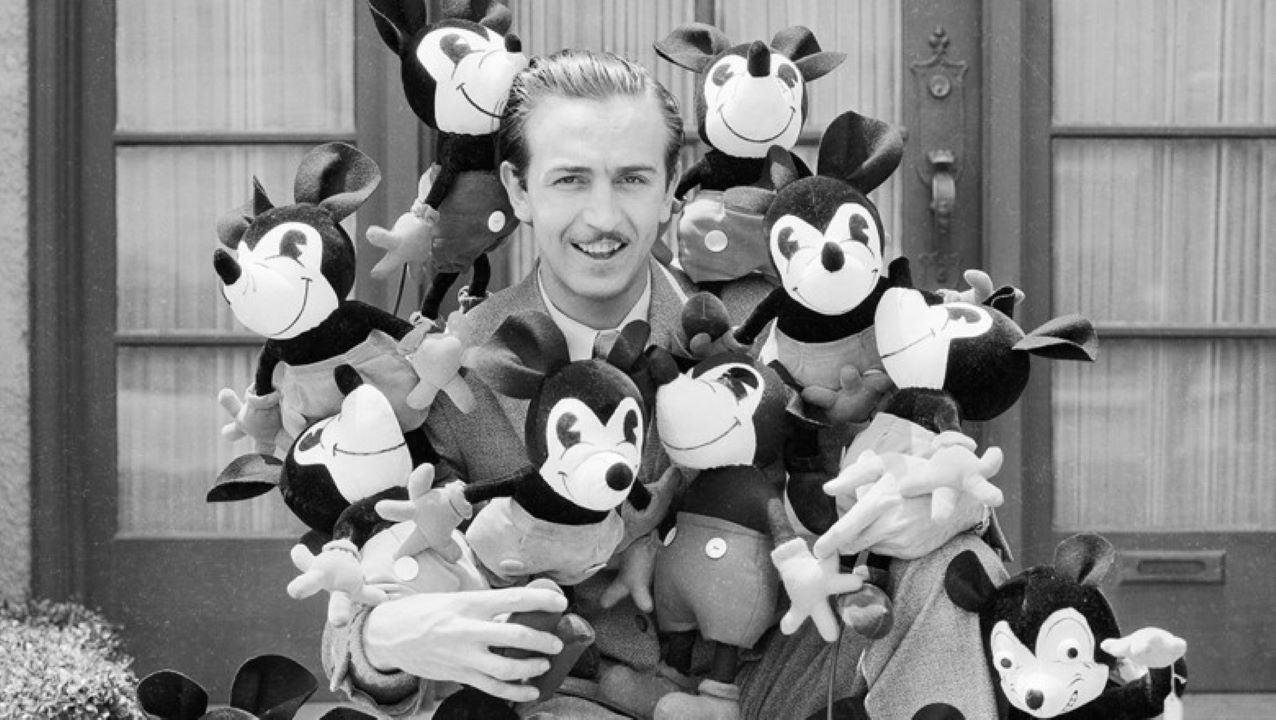
This intersection between admiration for his cultural contribution and criticism of his ideological stances generates a relevant dialogue about how we perceive history through the actions of its most influential figures, showing that Disney’s legacy is as fascinating as it is problematic.