In 1904, J. M. Barrie created Peter Pan as a play. In it, besides all the key elements of the saga that we know today, there was a small fairy who, unknowingly, would become Walt Disney’s mascot a few decades later: Tinker Bell. In 1953, she went from being a secondary character to becoming famous worldwide thanks to the animated film, and since then she has even starred in her own saga of 6 movies. And it all started with an actress. Farewell, Tinker Bell That’s right: the original Tinker Bell of […]
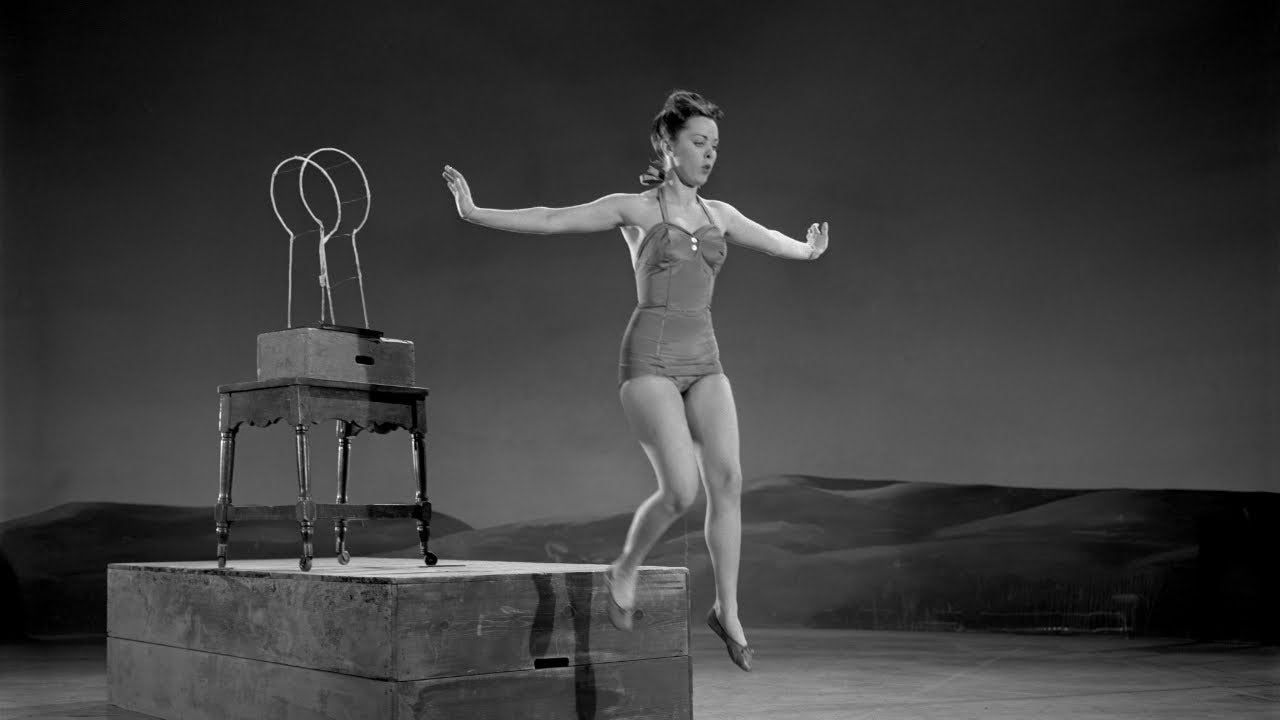
In 1904, J. M. Barrie created Peter Pan as a play. In it, along with all the key elements of the saga we know today, there was a small fairy who, unknowingly, would become Walt Disney’s mascot a few decades later: Tinker Bell. In 1953, she went from being a secondary character to becoming famous worldwide thanks to the animated film, and since then she has even starred in her own saga of 6 movies. And it all started with an actress.
Farewell, Tinkerbell
That’s right: the original Tinker Bell from Disney, on which the rest of her appearances are based, was inspired by Margaret Kerry. She was not the first choice for the role, though: initially, the animators used Ginni Mack, a 19-year-old who worked at the studio, as a face model, and Kathryn Beaumont, who had previously been used as a model for Alice, for the body. However, they were looking for something sexier and more adult for Tinker Bell.
And what is sexier than the woman chosen as “The most beautiful legs in the world”? Although some claim that Tinkerbell was actually based on Marilyn Monroe, it is more than confirmed that Kerry was her absolute reference. And now, at the age of 97, she has passed away in North Carolina, leaving the world of animation orphaned. Rest in peace.
The truth is that her life was so rich that she even released her own autobiography and ended up being the host of a Christian morning show on the radio for 12 years. Let no one say that Tinkerbell never flew beyond.
Disney fans have a new date to mark on their calendars. The documentary titled Disneyland Handcrafted will premiere on January 22 and will be available for streaming on both Disney+ and Disney’s YouTube channel. This exciting new project offers a unique look into the world of Walt Disney, using rare archival footage and original audio recordings that reveal the magic and ingenuity behind the creation of Disneyland. An amusement park that is much more than an amusement park Produced and directed by Leslie Iwerks, known for her work on the […]
Disney fans have a new date to mark on their calendars. The documentary titled Disneyland Handcrafted will premiere on January 22 and will be available for streaming on both Disney+ and Disney’s YouTube channel. This exciting new project offers a unique look into the world of Walt Disney, using rare archival footage and original audio recordings that reveal the magic and ingenuity behind the creation of Disneyland.
An amusement park that is much more than an amusement park
Produced and directed by Leslie Iwerks, known for his work in the Disney universe and his dedication to extending the visual history of the company, Disneyland Handcrafted aims to offer an intimate and nostalgic perspective. Iwerks, who comes from a family with deep roots in Disney history, has used his experience to create a documentary that will combine historical elements with the magic that has made Disneyland a global icon.
The material that will be presented in the documentary includes not only scenes of the park during its construction phase but also historical moments that are crucial for understanding Walt Disney’s legacy. The combination of visual footage with audio recordings provides an immersive experience that promises to capture the attention of both veteran Disney fans and a new generation eager to learn more about the brand’s history.
Stories of triumph are always told. It’s a fact: although most of us fail along the way, people don’t want to hear how we did it. They want to hear about the moments of success, of starting from nothing in a garage and ending up building a gigantic tech company, things like that. That’s why the story of Walt Disney is usually told starting from the creation, in 1928, of Mickey Mouse. But before the most famous mouse in history, there was not only Oswald, the lucky rabbit (from 1927), but a series of short films that led to the ruin of […]
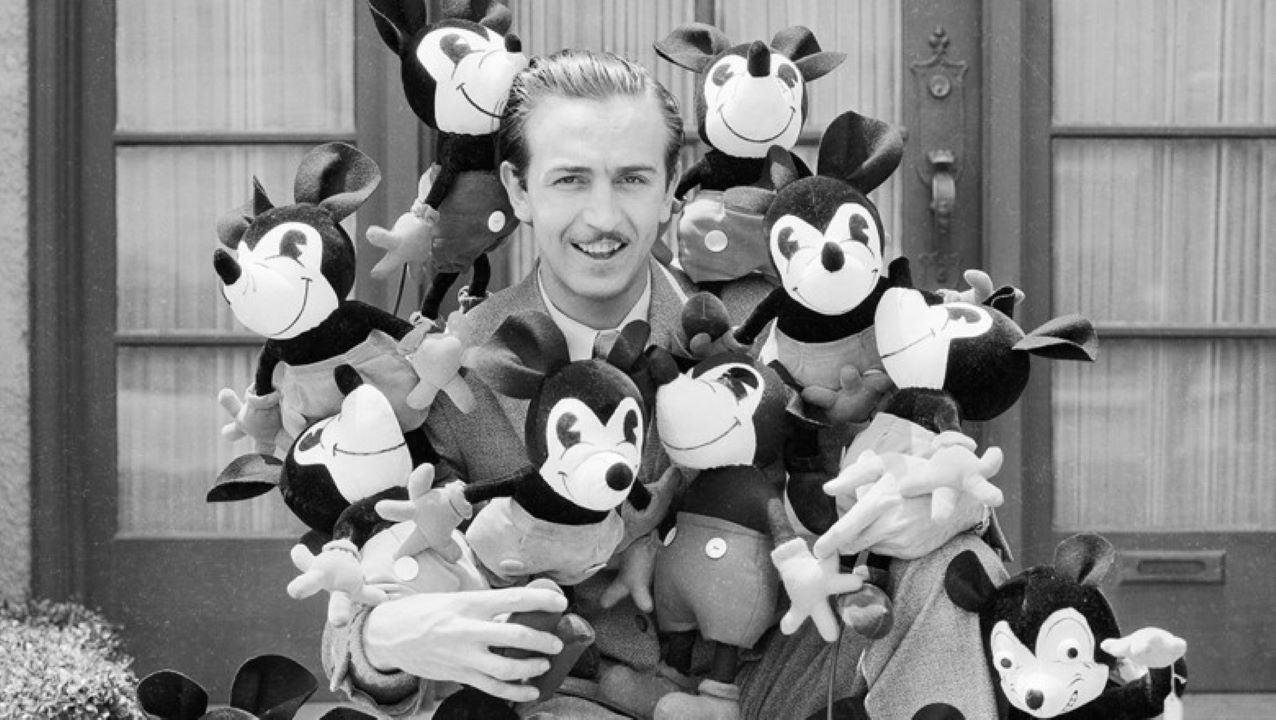
Stories of triumph are always told. It’s a fact: even though most of us fail along the way, people don’t want to hear how we did it. They want to hear about the moments of success, starting from nothing in a garage and ending up building a gigantic tech company, things like that. That’s why, the story of Walt Disney is usually told starting from the creation, in 1928, of Mickey Mouse. But before the most famous mouse in history, there was not only Oswald, the lucky rabbit (from 1927), but also a series of short films that led Disney to ruin. Don’t worry: in case you haven’t seen the movie listings lately, it has a happy ending.
Oh, oh, Alicia, in the land of malice
In 1919, a newly adult Walt Disney began drawing illustrations of all kinds, and with his friend Ub Iwerks (who many say, including The Simpsons, was the real creator of Mickey) he opened his own agency of artists. Over time, by 1921, a settled Disney in Kansas launched his own advertisements, which read “Walt Disney, cartoonist. Comic strips, advertisements, animated films”. It worked well enough to create his first animated short for Newman cinema, for which he created the so-called Newman’s Laugh-O-Grams, modernized fables that had moderate success.
Enough -or so he thought- to create a new animation studio, Laugh-O-Grams Studio. The problem is that when he hired new animators, he realized that, indeed, there wasn’t enough money to pay everyone. “No problem”, Disney thought, “we’ll make other shorts for other theaters and that will solve it”. This is how the production of Alice’s Wonderland began. No, the movie that made him famous: a short film that mixed animation and live action and ended up lasting 12 and a half minutes. By the time it premiered, Laugh-O-Grams Studio had already declared bankruptcy and the efforts had gone to waste.
Imagine the situation: 1923, just 21 years old, and he had already caused at least two companies to fail. That was the scenario for Walt Disney, who, with his short film of Alice under his arm, moved to Hollywood hoping to have a little more luck. The short film, by the way, was never screened in theaters, but it is a myth of the industry: in it, a young Alice played by Virginia Davis visits an animation studio, sees several scenes that come to life, and everyone -animators and drawings- ends up dancing with her. Nowadays, this black and white short may not fascinate anyone, but at the time it was a huge hit among the distributors who were able to see it in private screenings.
Or that’s what Disney would have liked: the truth is that at the time it went by without a trace, and no one wanted to buy his Alice’s Wonderland to distribute it… until he learned that Margaret J. Winkler, a New York distributor, was about to lose the rights to the Felix the Cat cartoon series and needed a replacement: she immediately signed a contract to make six more Alice Comedies and finally, Disney and his brother Roy were able to form the Disney Brothers Studio, which soon became Walt Disney Studio. In total, the mogul made 57 short films between October 1923 and August 1927 (most of which are lost), changed the lead Alice several times, and by the end, the formula was repeated so much that Disney himself was fed up with his creation.
The rest is history: although Walt Disney Studios faced bankruptcy several times again, it was never again in as dire a situation as in 1923, without a dollar in his pocket, with a short film under his arm, and no one interested in what he had to offer. And while the story of glory is always more uplifting, the story of failure is infinitely more interesting.
The iconic movie saga Pirates of the Caribbean originated from an attraction of the same name in Disney parks. Since its opening in 1967, this attraction has fascinated millions of visitors with its maritime adventure, recreating scenes of pirates, but it has also been the subject of numerous legends. One of the most talked about is the supposed cryogenization of Walt Disney’s body beneath the ride, using water as a cooling system. However, a reality that has captured the public’s attention is that, for much of the attraction’s life, real skeletons were used […]
The iconic movie saga Pirates of the Caribbean originated from an attraction of the same name in Disney parks. Since its opening in 1967, this attraction has fascinated millions of visitors with its maritime adventure, recreating scenes of pirates, but it has also been the subject of numerous legends. One of the most talked about is the supposed cryogenization of Walt Disney’s body beneath the ride, using water as a cooling system. However, a reality that has captured the public’s attention is that, for much of the attraction’s life, real skeletons were used to bring the animatronics that dance and sing to life.
This is how the dead seem more real
The production of the attraction was considerable, costing around 15 million dollars at the time, which is equivalent to more than 100 million today. This expenditure placed it among the largest investments made by Disney in its parks, long before realistic animatronic technology was advanced enough. To tackle this challenge, the designers turned to the University of California, where they were donated real skeletons to create the animatronics.
Despite the fact that the Pirates of the Caribbean franchise announced its sixth installment in 2018, the movie has remained on hold due to the pandemic and restructuring within Disney, which has lowered expectations for an immediate return to theaters. Fans of the series are still waiting for news about this continuation, but for now, the legacy of the original attraction remains alive.
The intriguing story of the skeletons has fueled speculation about the possibility that human remains may still be present in the attraction’s facilities, giving more life to the urban legends surrounding it. Undoubtedly, the connection between the attraction and the film saga has kept enthusiasts both in parks and in cinemas, as they await the next chapter of this successful franchise.
The recent presentation of the animatronic of Walt Disney at Disneyland California has unleashed a torrent of discontent among both fans and the family of the iconic founder of the company. This figure, titled ‘Walt Disney – A Magical Life’, aims to represent a biographical narrative of Disney’s history through its creator. However, many have criticized that its design fails to achieve a true likeness to the real Walt Disney. Any resemblance is purely coincidental. The impressions shared on social media have been mostly negative. In a video from the channel Capture the Magic, which […]
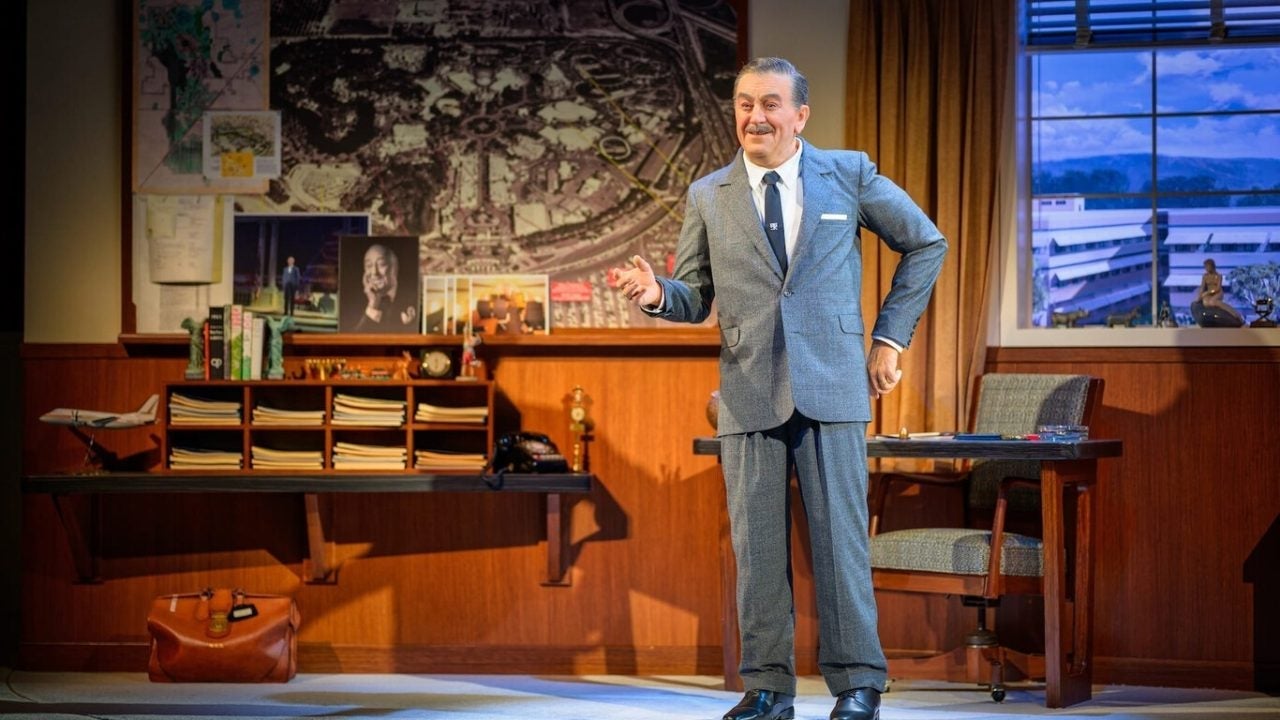
The recent presentation of the animatronic of Walt Disney at Disneyland California has unleashed a torrent of discontent among both fans and the family of the iconic founder of the company. This figure, titled ‘Walt Disney – A Magical Life’, is intended to represent a biographical narrative of Disney’s history through its creator. However, many have criticized that its design does not achieve a faithful resemblance to the real Walt Disney.
Any resemblance is purely coincidental
The impressions shared on social media have been mostly negative. In a video from the channel Capture the Magic, which has garnered over 5,000 ‘likes’ in a single day, it is argued that when comparing the animatronic figure with images of Walt Disney, it is concluded that it does not resemble him. Some fans have crafted ironic critiques, asking why the facial expression of the animatronic is so different from that of its famous creator, questioning: how is it possible that an animatronic of Abraham Lincoln looks more like him than one from 2025 meant to represent Walt Disney?
This project, considered by Disney to be its most complex creation to date, has been developed from years of audiovisual archives of the founder, even replicating his blinking and movements. However, the disappointment mainly lies in the appearance of his face, which has rounder features and, at certain moments, seems completely different from the real man. The criticism intensifies in a context where many see this decision as a frivolous and dehumanizing move.
As this situation unfolds, it is unclear whether Disney will publicly address the discontent generated. The controversy raises as much interest as disappointment among fans, who were hoping for a positive reception for a project that symbolizes a milestone in the company’s history.
Walt Disney, who passed away in December 1966, left a legacy that has become a topic of intense debate, where the magic and creativity of his cultural empire clash with his controversial ideological stances. Recognized as a pioneer of animation and creator of classics that have defined family entertainment, Disney has been the subject of critical analysis in recent years, especially regarding his role during the witch hunt promoted by Senator Joseph McCarthy. Should we separate the person from the work? An investigation by The New York Times revealed documents that evidence the close relationship […]
Walt Disney, who passed away in December 1966, left a legacy that has become a topic of intense debate, where the magic and creativity of his cultural empire clash with his controversial ideological stances. Recognized as a pioneer of animation and creator of classics that have defined family entertainment, Disney has been the subject of critical analysis in recent years, especially regarding his role during the witch hunt promoted by Senator Joseph McCarthy.
Separate person from work?
An investigation by The New York Times revealed documents that evidence the close relationship between Disney and J. Edgar Hoover, director of the FBI. Between 1940 and 1966, Disney not only informed on colleagues suspected of sympathizing with communism, but also agreed with Hoover on narrative lines in his productions that reinforced conservative values, distorting the narrative of his films.
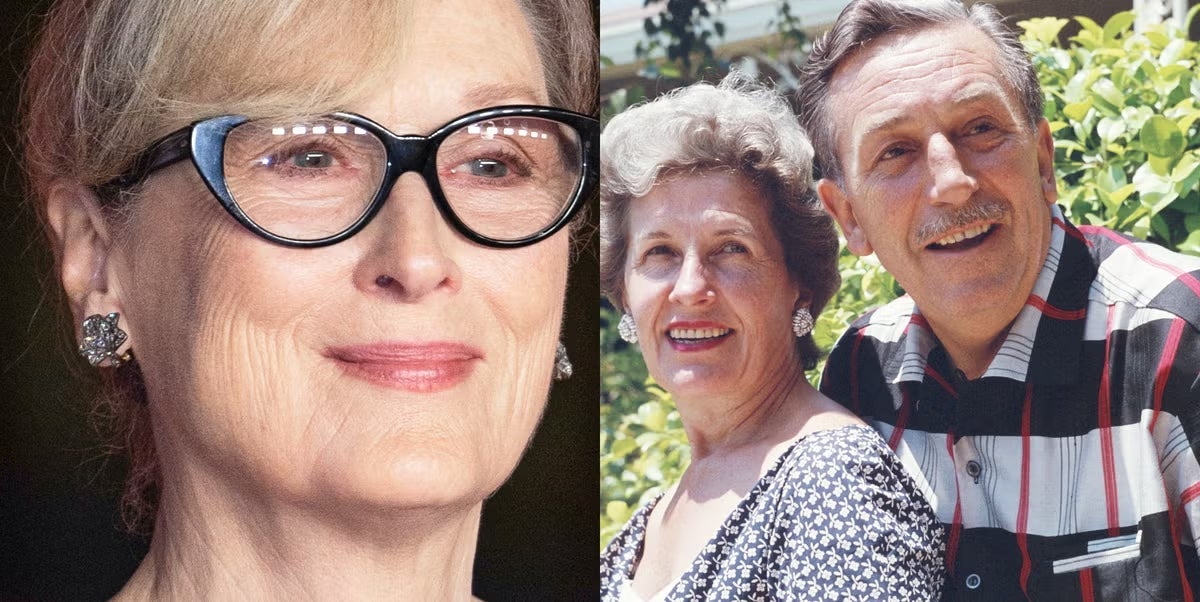
The actress Meryl Streep has been one of the most prominent voices questioning the figure of Disney. During the National Board of Review awards ceremony in January 2014, Streep described him as racist, anti-Semitic, and misogynistic. She referred to testimonies from animators, such as Ward Kimball, who expressed that Disney did not trust either women or cats. Streep also read a letter where Disney stated that women did not do any kind of creative work, a clear indication of the structural sexism present in his studio.
This intersection between admiration for his cultural contribution and criticism of his ideological stances generates a relevant dialogue about how we perceive history through the actions of its most influential figures, showing that Disney’s legacy is as fascinating as it is problematic.
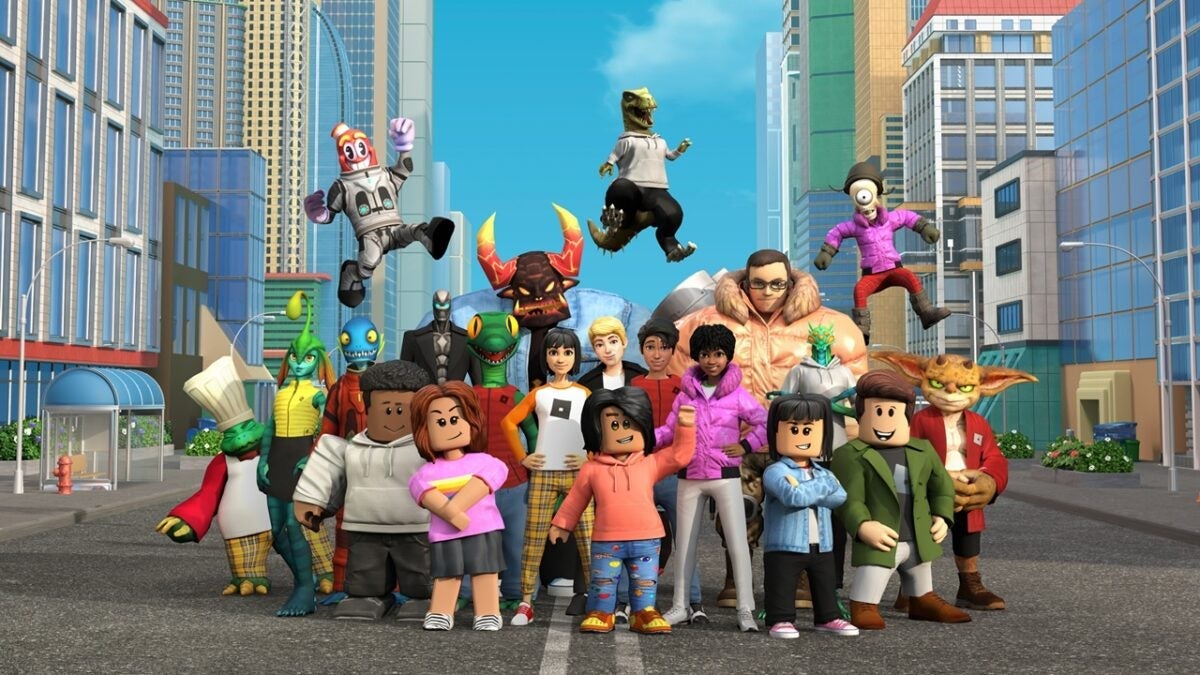
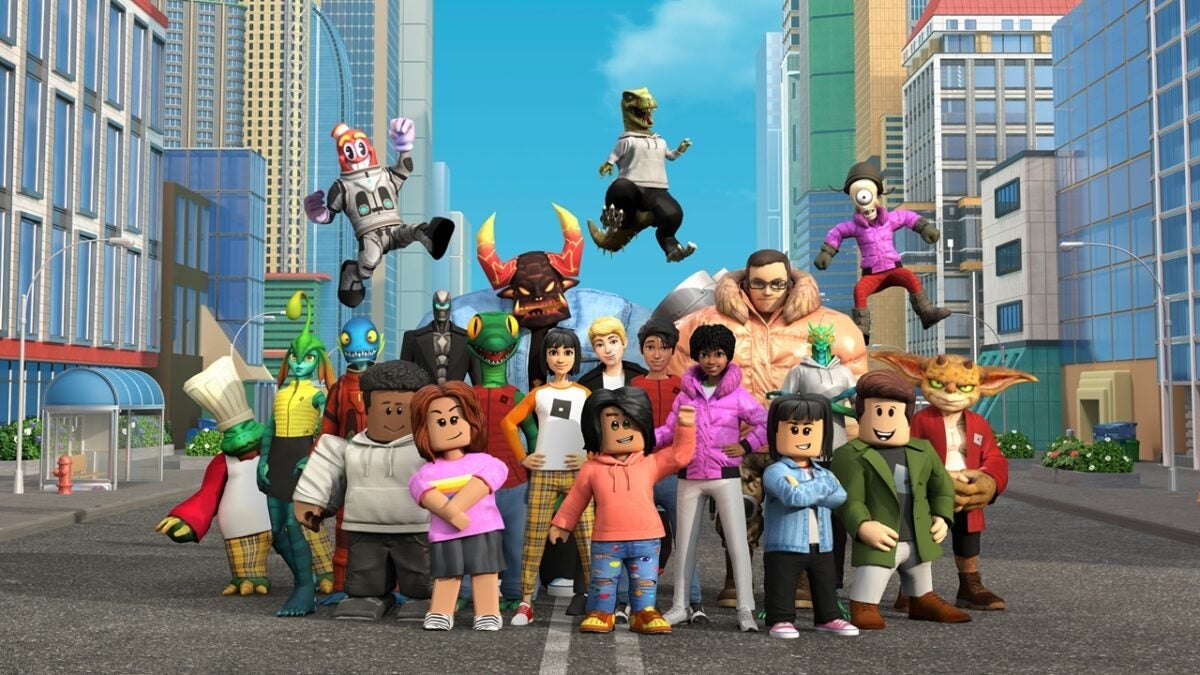
Dave Baszucki, co-founder and CEO of Roblox Corporation, has made a direct appeal to parents who have concerns about their children’s use of the platform, suggesting that if they do not feel comfortable, “they should not allow them to be on Roblox.” Although his statement may sound counterproductive, Baszucki argues that it is crucial to trust that parents will make informed decisions. Roblox, one of the most popular gaming platforms worldwide, currently has 79.5 million daily active users and is valued at $41 billion. The company has an ambitious goal to reach […]
Dave Baszucki, co-founder and CEO of Roblox Corporation, has made a direct appeal to parents who have concerns about their children’s use of the platform, suggesting that if they do not feel comfortable, “they should not allow them to be on Roblox”. Although his statement may sound counterproductive, Baszucki argues that it is crucial to trust that parents will make informed decisions.
Roblox, one of the most popular gaming platforms worldwide, currently has 79.5 million daily active users and is valued at $41 billion. The company has an ambitious goal of reaching one billion daily users. However, the platform faces serious criticism for not adequately protecting its younger users, which includes alarming cases of abuse and child exploitation. Since 2018, U.S. authorities have arrested several individuals accused of engaging in criminal activities through Roblox.
The accusations of child exploitation continue
Although Roblox highlights the positive experiences of its users and the implementation of parental control tools and artificial intelligence systems to monitor communication on the platform, it continues to face accusations of child labor exploitation. Recently, Turkey banned access to Roblox, citing concerns over child exploitation. Baszucki has emphasized that any negative incident is unacceptable and that the company is actively working to prevent harassment and violence.
In an interview, Baszucki also compared the process of creating Roblox to Walt Disney’s vision when building Disneyland, suggesting that the platform has a significant cultural impact. Despite the challenges, Roblox continues to be a space for debate around child safety and digital health, inviting parents to reconsider their role in supervising their children’s playtime.
Dave Baszucki, cofundador y CEO de Roblox Corporation, ha hecho un llamado directo a los padres que tienen preocupaciones sobre el uso de la plataforma por parte de sus hijos, sugiriendo que si no se sienten cómodos, “no deberían permitirles estar en Roblox.” Aunque su declaración puede sonar contraproducente, Baszucki argumenta que es crucial confiar en que los padres tomarán decisiones informadas. Roblox, una de las plataformas de juegos más populares en todo el mundo, actualmente tiene 79.5 millones de usuarios activos diarios y está valorada en 41 mil millones de dólares. La compañía tiene un objetivo ambicioso de alcanzar […]
Dave Baszucki, co-founder and CEO of Roblox Corporation, has made a direct appeal to parents who have concerns about their children’s use of the platform, suggesting that if they do not feel comfortable, “they should not allow them to be on Roblox”. Although his statement may sound counterproductive, Baszucki argues that it is crucial to trust that parents will make informed decisions.
Roblox, one of the most popular gaming platforms worldwide, currently has 79.5 million daily active users and is valued at $41 billion. The company has an ambitious goal of reaching one billion daily users. However, the platform faces serious criticism for not adequately protecting its younger users, which includes alarming cases of abuse and child exploitation. Since 2018, U.S. authorities have arrested several individuals accused of engaging in criminal activities through Roblox.
Accusations of child exploitation continue
Although Roblox highlights the positive experiences of its users and the implementation of parental control tools and artificial intelligence systems to monitor communication on the platform, it continues to face accusations of child labor exploitation. Recently, Turkey banned access to Roblox, citing concerns over child exploitation. Baszucki has emphasized that any negative incident is unacceptable and that the company is actively working to prevent harassment and violence.
In an interview, Baszucki also compared the process of creating Roblox to Walt Disney’s vision when building Disneyland, suggesting that the platform has a significant cultural impact. Despite the challenges, Roblox continues to be a space for debate around child safety and digital health, inviting parents to reconsider their role in supervising their children’s playtime.