One of the biggest trends in the field of computing is the expansion of data centers by large companies, whose Internet services are an indispensable part of our commercial and personal lives.

These servers and databases require energy, something that is currently in short supply. And the explosion of AI has worsened the problem, with estimates that the global consumption of data centers in the United States will reach 35 GW by 2030: almost double what it was in 2022.
It may not seem like much considering that the United States alone consumes 4,000 TW of electricity per year, but a large part of energy and environmental planning is based on estimated energy consumption, and the expansion of data centers throws the prediction figures directly into the trash.
Big Tech is turning to nuclear energy instead of using renewables
To maintain a reliable energy base for these centers, the largest tech companies are turning to nuclear energy to provide them with electricity with near-zero carbon emissions.
American companies, such as Amazon, are locating new data centers next to nuclear power plants to take advantage of the uninterrupted and reliable energy that nuclear power offers.
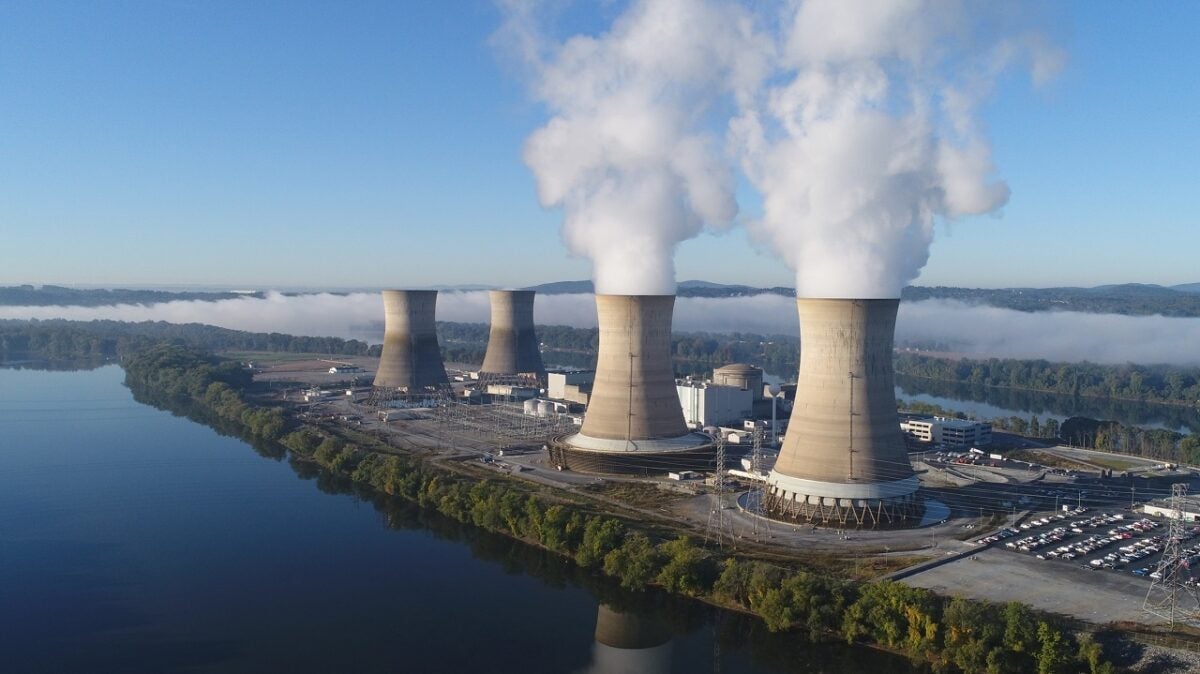
On the other hand, Microsoft has reached a 20-year agreement with Constellation to extract energy from what was the Three Mile Island nuclear power plant, located on the Susquehanna River, in Londonderry Township, near Harrisburg (Pennsylvania), and which is now the Crane Clean Energy Center (CCEC).
On March 28, 1979, the Three Mile Unit 2 reactor experienced a core meltdown due to a strange combination of mechanical failure and human error that caused severe damage to the reactor and the release of radioactive water and iodine due to a failure in the pressurized water cooling system.
Although there were no victims and long-term studies could never confirm a causal increase in cancer cases in the area, Three Mile Island was the worst commercial nuclear accident in the U.S. and arguably the third worst in the world after the subsequent incidents at Chernobyl and Fukushima.
However, the impact of the disaster was swift. It brought the issue of reactor safety to the forefront and became the focus of environmentalists and anti-nuclear lobbying groups. The result was the near-total paralysis of commercial nuclear energy in the United States and many European countries until very recently.
Contrary to popular belief, Three Mile Island was not completely shut down after the accident. The Unit 1 reactor continued to operate until 2019, when it was dismantled for economic reasons. According to the new Microsoft agreement, the restart will be the first of a U.S. reactor after its final shutdown.
