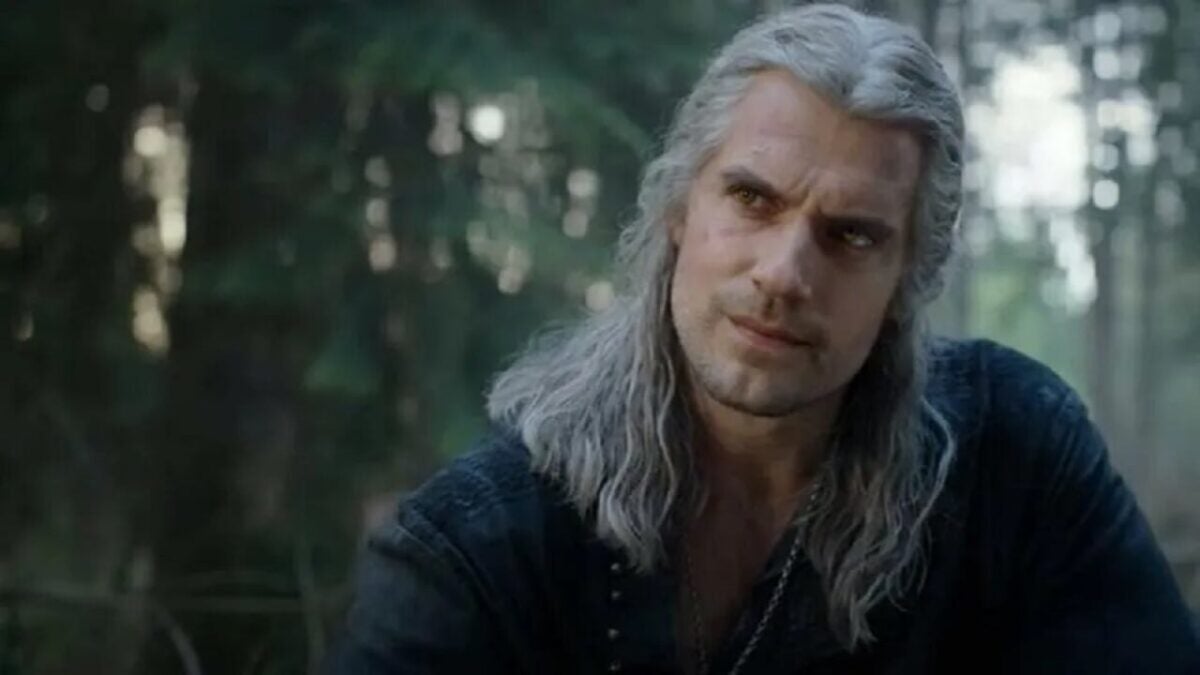
The Witcher Season 3 is just around the corner on Netflix (on June 29th, to be exact). When it arrives on the streaming platform, this season will be divided into two parts, which is not the first time it has happened. Speaking specifically about this, Steve Gaub, executive producer of the series, has come forward to provide an explanation as to why the season premiere has been split in two.
According to Gaub, this decision was partly influenced by Stranger Things, a series that also split its latest season into two halves, which turned out well. “This happened during the editing process, it wasn’t written in the script, it wasn’t known during filming. However, we knew that in the season there was and is a significant moment. Then Stranger Things was released while we were in production, they split it in two, and it was like, ‘Well, this is interesting,’” Gaub explained.
From here, Gaub points out that “in the world of streaming, cliffhangers don’t really exist because you’re pressing ‘play’ right after finishing an episode.” The executive producer is not wrong, as the fact that all episodes are released at once has led to a loss of anticipation for the next episode in the following week. That is true, and denying it would be absurd. However, this is only partly true.
Behind the decision to split seasons in two, there is also a commercial purpose. Since the episodes are released in two batches separated by a month, subscribers need to pay for two months if the desired days don’t align. For example, Netflix releases episodes on June 29th and July 27th, so someone could binge-watch everything, but if someone renewed their subscription on June 26th, they would have to pay for an additional month.
It is correct that cliffhangers have lost their significance, but it’s also true that the powerful knight named money is behind it.
Some of the links added in the article are part of affiliate campaigns and may represent benefits for Softonic.
