Competition in the artificial intelligence (AI) sector is intensifying, with Nvidia establishing itself as a leader thanks to its CUDA ecosystem, which has set significant standards in AI computing globally.
The company has warned about the risk of fragmentation of the technological ecosystem, a concern that is intensifying with the recent restrictions on the export of AI GPUs to countries like China, which could benefit local competitors.
Huawei, for its part, has introduced its Cloud Matrix 384 platform, which aims to surpass flagship products from Nvidia, although it has faced criticism related to its usability.
Huawei launches Cloud Matrix 384 to challenge Nvidia’s dominance
Despite having an emerging ecosystem, the Chinese company must overcome significant challenges, such as the stability and documentation of its CANN architecture, designed to enhance its Ascend AI processors.
The growing pressure Nvidia faces comes not only from traditional rivals like AMD and Intel but also from new companies like D-Matrix and Tenstorrent. Additionally, Chinese competitors are emerging with promising technology, although they currently lack a complete ecosystem like CUDA.
With the AI Diffusion framework, which restricts the export of advanced chips, Nvidia could suffer a significant loss of revenue as it is forced to limit sales to one of its largest markets.
Chinese manufacturers are positioning themselves to capitalize on this gap, which could result in a more competitive future for their AI hardware and further fragment U.S. leadership.
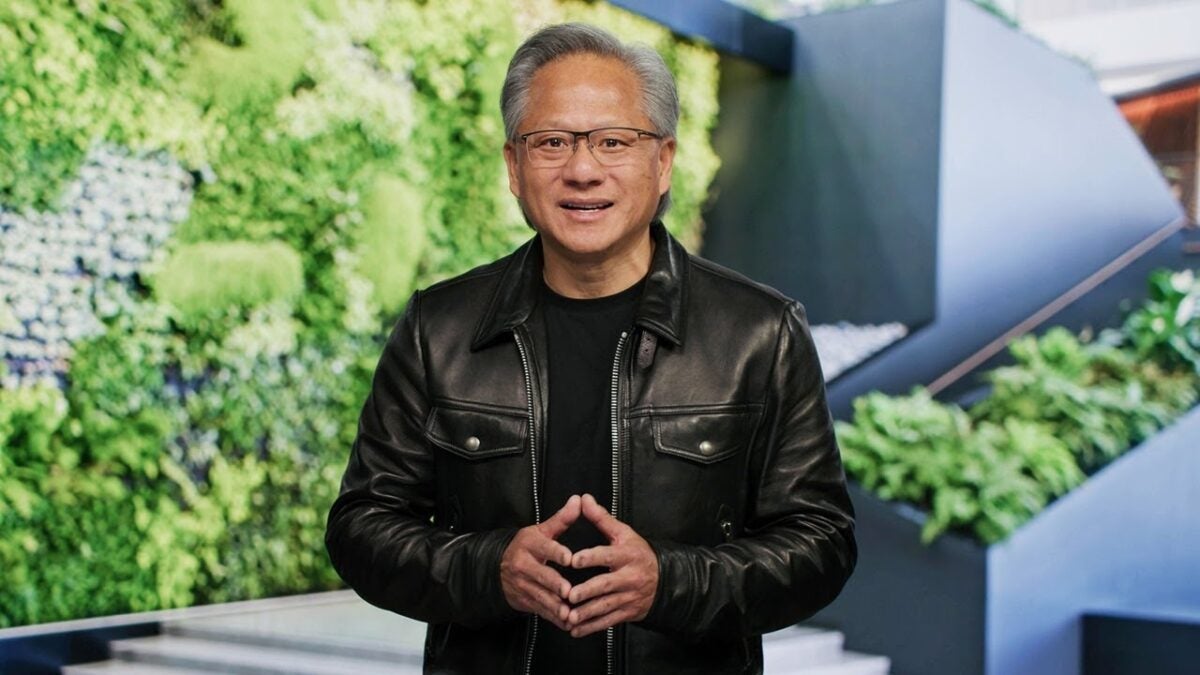
Jensen Huang, CEO of Nvidia, has emphasized that the ability of the United States to continue leading AI development depends on its capacity to enable robust ecosystems, beyond trade restrictions.
With the world at a turning point, the way collaboration and competition in technology are approached will determine future governance and dominance in the field of AI.