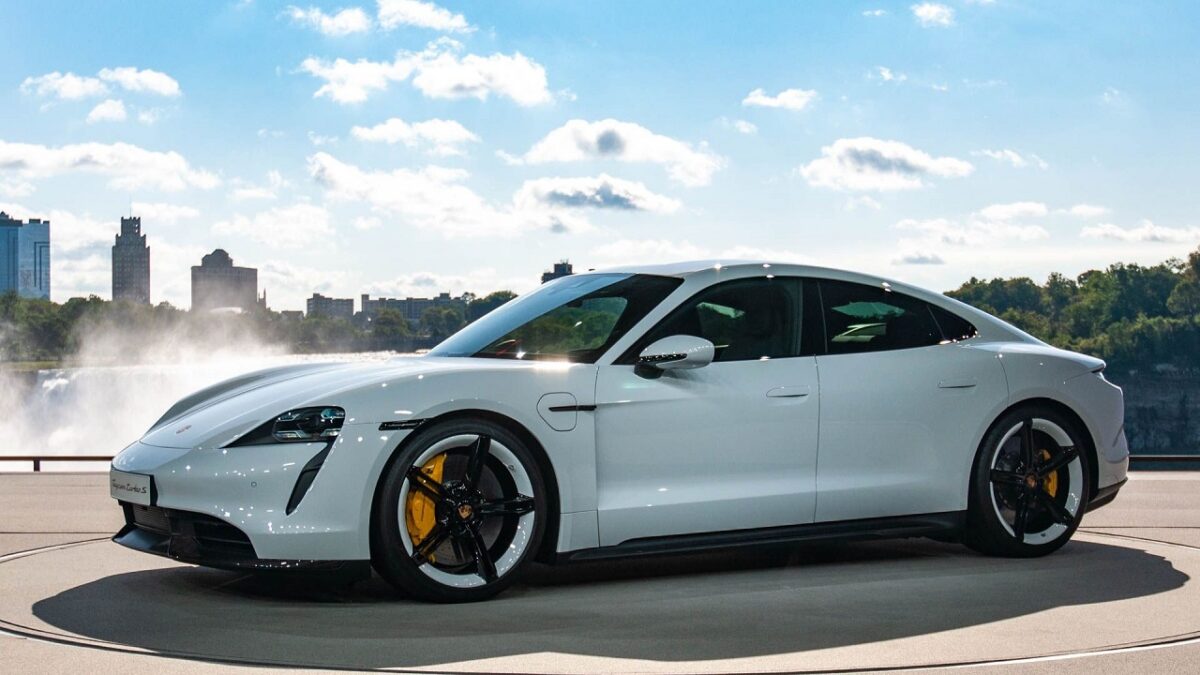
Porsche has announced plans to cut 1,900 jobs in Germany by 2029, a move that comes amid a decline in electric vehicle (EV) sales and challenges in the global market. A couple of months ago they announced that they would not stop manufacturing combustion cars.

The luxury sports car manufacturer expects profit margins of only 10% to 12% for this year, well below its long-term target of 20%.
This cut represents approximately 15% of its workforce at the Zuffenhausen and Weissach plants, where the company will mainly implement voluntary layoffs and early retirement packages.
The electric car is not the future that the German brand expected
In light of this situation, the company plans to develop new internal combustion and hybrid models, which will involve an additional investment of 800 million euros (830 million dollars) by 2025. However, the context is complicated, as global deliveries of Porsche fell by 3% last year, particularly affected by a reduction in sales in China, a key market for the brand.
Despite the general perception that the demand for electric vehicles is decreasing, the figures indicate growth. According to Rho Motion, global EV sales increased by 18% since January 2024, with 1.3 million units distributed in January 2025.
Meanwhile, national electric vehicle manufacturers like BYD continue to gain ground, launching 21 models that include a new intelligent driving system. These technological advancements contrast with Porsche’s strategy, which seems to focus on more traditional models.
On the other hand, Volkswagen, the parent company of Porsche, has reaffirmed its commitment to gradually phase out combustion engines in Europe by the early 2030s. However, with domestic EV manufacturers advancing rapidly, the question of the viability of Porsche’s strategy in a rapidly transforming market remains unanswered.
Industry observers are wondering if the brand will be able to remain competitive or if it risks falling behind in the race towards electrification.