In 2025, voice assistants underwent a significant transformation by evolving from simple control tools to full-fledged artificial intelligence agents. This change was evident in platforms like Apple’s Siri, Amazon’s Alexa, and Google Assistant, now known as Gemini, which began to operate as conversational and multimodal systems within smart homes and AI chatbots.
AI is fine
According to projections, the use of voice assistants on smartphones is expected to increase to 48.7% among internet users by 2029, while the adoption of smart speakers is anticipated to decrease to 30.7% in the same period. This shift in trend indicates a turn towards the integration of voice assistants in mobile devices, where interaction becomes more personalized and contextual.
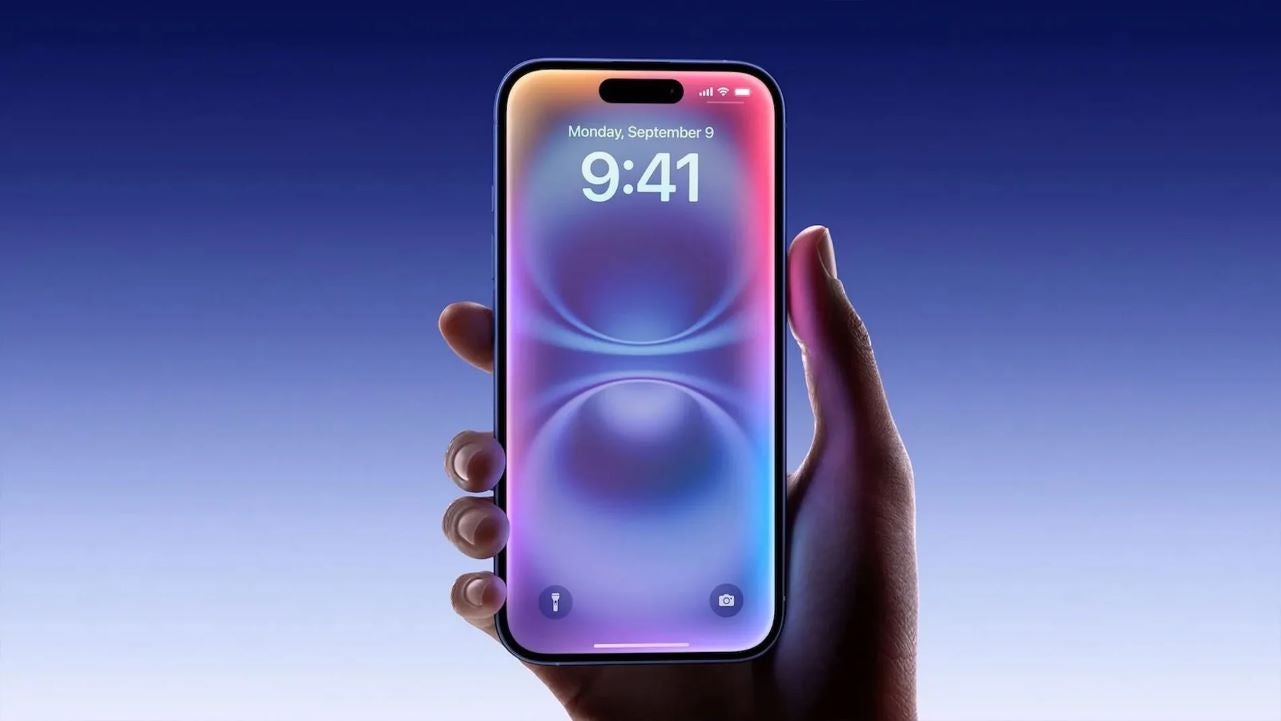
Apple has been integrating Siri into its Apple Intelligence infrastructure, focusing on understanding personal context and interacting with applications. This evolution allows Siri not only to respond to commands, but also to be in tune with what the user sees on the screen and act accordingly, which could expand capabilities within thousands of third-party applications in the Apple ecosystem.
For its part, Alexa has received a significant update through Alexa+, which enhances its conversational and contextual abilities, allowing it to handle more complex tasks using natural language. However, the effectiveness of Amazon’s subscription strategy for this type of AI will depend on the perceived value that users have regarding these improvements.
Google, in its transition to Gemini, has begun to eliminate Google Assistant to focus on its new system, using its vast platform as a testing ground for generative intelligence. As these technologies advance, more contextual voice assistants will start to influence product discovery and purchasing decisions, forcing brands to optimize their content to facilitate conversational queries.