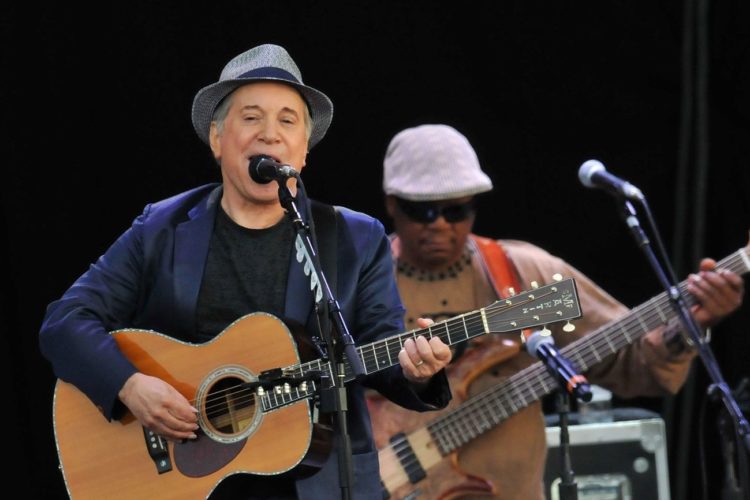
Last year, on July 17, Forbes reported that for the first time ever hip-hop overtook rock as the most listened-to genre of music in the U.S. These days the top of the Billboard Top 200 is filled with rappers, who often have origins far more humble than ultra-mainstream acts like Ariana Grande or Maroon 5. Today’s chart has five rap songs taking spots in the Top 10. This represents not only a cultural shift for hip-hop, but for popular music in general. Why is hip-hop more popular today than ever before? The answer is the internet and the clever rappers who first figured out how to use it as a platform to spread their music and shift the direction of rap culture.
How the internet changed hip-hop forever
Soulja Boy and Limewire: A Symbiotic Relationship
Way back in 2007, there were no streaming services like Spotify or Apple Music, so most music was consumed through CD or online marketplaces like iTunes. The pre-streaming days were much, much more rampant with music piracy, as many kids got all of their music through file-sharing services and torrent software. By far the most infamous of these services was Limewire, a torrent client that was widely used to spread music, movies, and pornography, all with a high chance of containing a virus that would nuke the family computer. Despite being extremely illegal and infested with viruses, Limewire proved to be one of the most popular ways to get new music.
How to see your favorite musician live with Spotify
Read Now ►
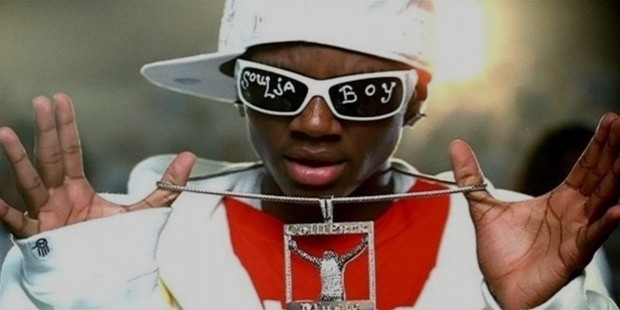
While Limewire was in its prime, a 17-year-old rapper known as Soulja Boy had gained a small following through websites like SoundClick. Noticing the huge amount of music downloads going through Limewire, Soulja Boy cleverly gamed the system by uploading his music under the names of megapopular songs like Rihanna’s “Umbrella” or My Chemical Romance’s “Welcome to the Black Parade.”
As a result, thousands of teenagers were tricked into downloading Soulja Boy’s track “Crank Dat,” with their anger quickly dissipating as they realized how catchy the song was. The track quickly exploded in popularity, in no small part due to the “Crank Dat” dance, which also went viral. In the fall of 2007, “Crank Dat” reached the number 1 spot on the Billboard Top 200, shocking the industry.
“Crank Dat” was written and produced entirely by Soulja Boy, who, again, was only 17 years old at the time. With no record label backing him, a song that Soulja Boy created in entry-level production software Frooty Loops on his laptop became one of the biggest independent hits in the history of popular music. Soulja Boy was among the first and most successful artists to utilize the internet and social media to spread his music. “Crank Dat” went viral before viral was even really a thing. Soulja Boy’s internet savvy and label-free independence would provide the blueprint for aspiring young rappers moving forward in the digital age.
Inspired by Soulja Boy, thousands of aspiring rap artists would attempt to follow the Crank Dat formula to score a viral hit. Soulja Boy broke new ground for rap music by showing an entirely new way to independently market and release music.
The BasedGod and the Deconstruction of Rap
As time went on, newer rappers would use the freeform nature of the internet to create more experimental new forms of rap music. Earlier in the decade, new artists like Kanye West and Gnarls Barkley had broken new ground with sounds and personalities that contrasted sharply with the gangsta rap image popular at the time. Both of those artists had achieved success largely without the internet, but moving forward new rappers would emerge who deviated even further from hard-edged West Coast rap.
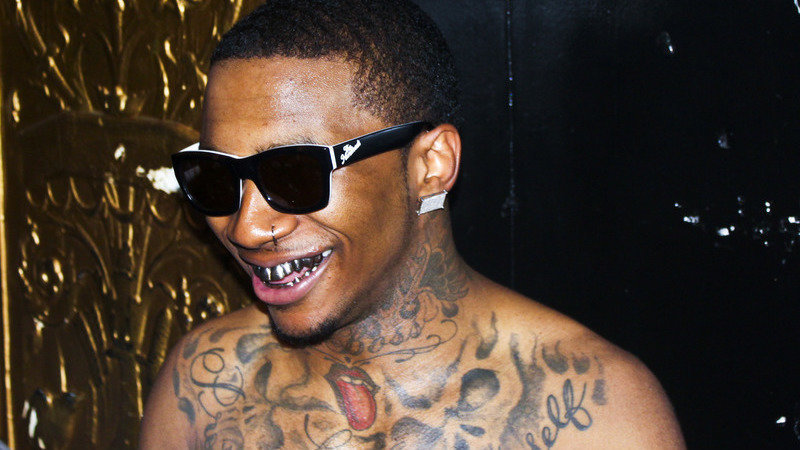
The artist who used the internet best moving forward was inarguably Lil B, also known as the BasedGod. It’s hard to cleanly summarize exactly who Lil B is and what he represents. He first turned heads for his eccentric, stream-of-consciousness lyrics, rapped with sincerity and confidence over droning, hazy samples. Lil B’s music is far from nonsensical, however, and as abstract or strange as his lyrics may be, he is unabashedly himself in both his music and his persona. Lil B’s absurd lyrics, offbeat rapping, and effeminate identity earn him plenty of critics, but he has used the buzz surrounding him to start a conversation on what it means to be a rapper in the internet age.
Since hip-hop’s inception, the most important aspect of a rapper’s image has been their realness. Rappers who appear inauthentic, whether that be their background, lifestyle, or lyrics, are harshly criticized and are seldom accepted by the hip-hop community. Lil B is absolutely, positively himself through his music and online persona. If you follow Lil B closely you are entering his world, getting as close to him as you would if you were a close personal friend.
While Lil B adheres closely to hip-hop’s principle of authenticity, he contrasts strongly with the traditional idea of what it is to be a rapper. His nickname of BasedGod comes from the term based, a word originally meant as an insult meaning stupid or stoned, which Lil B has reclaimed to represent a mindset of positivity, openness, and universal love. Through his music and his cultural following, Lil B expresses a desire by the digital generation to defy hypermasculinity and notions of traditional gender roles. Hip-hop culture was created as a response to systematic racism and as a means of expression and empowerment, an idea which Lil B applied to a whole new set of principles through his internet presence.
If you’re a modern rap fan, there’s a good chance that Lil B is your favorite rapper’s favorite rapper. His eclectic lyricism and shameless self-confidence provided the blueprint for the coming Soundcloud generation.
Soundcloud Rap is the new Punk
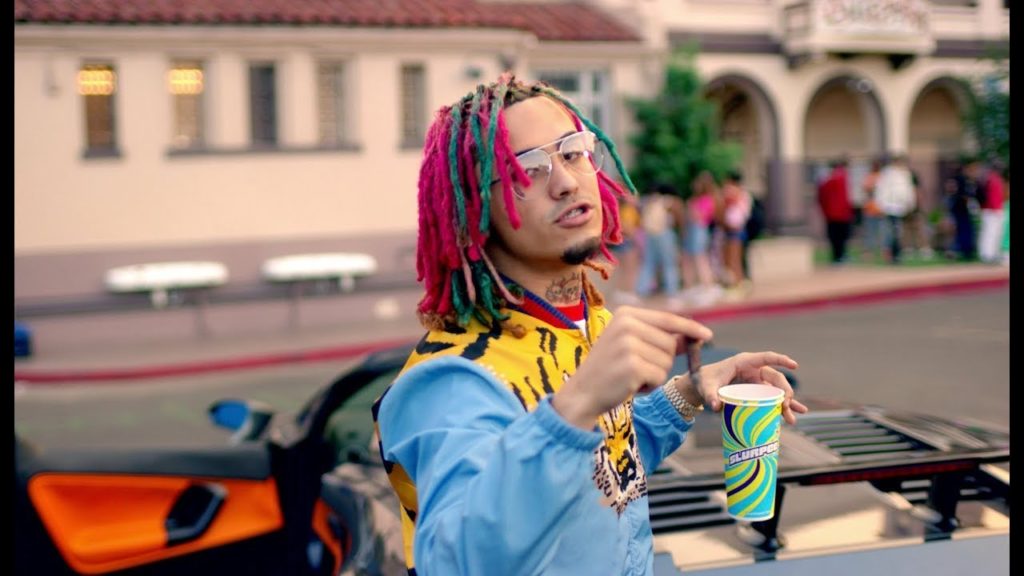
After Soulja Boy showed the world the indie marketing power of the internet and Lil B redefined what it meant to be a rapper, the stage was set for the Soundcloud generation. For those who have somehow avoided Soundcloud rap, the genre basically is a new form of rap that combines nihilistic, hedonistic, and simplistic lyrics with aggressive lo-fi production. Popularized by artists like XXXtentacion, Ski Mask the Slump God, and Lil Pump, this new generation spread their new wave of rap through free music streaming websites like Soundcloud.
The popularity and spread of Soundcloud rap heavily mirrors the emergence of punk rock in the 1970s. Created as a response to pretentious and technical prog rock, punk music was known for its repetitive, abrasive, and simplistic song structure. As the genre evolved, the subculture embraced DIY ethics and anti-establishment ideals, rejecting the backing of major record labels for house shows and moshpits. Many rock fans were furious and considered punk to be useless noise and aggression.
Punk and hip-hop both share an ethos of not caring what people think. With this in mind, it should be no surprise that Soundcloud rap emerged within hip-hop as its own punk analog. The lyricism, production, and imagery of Soundcloud rap challenge those heralded by traditional hip-hop, pissing off many traditional rap purists (see the parallels yet?).
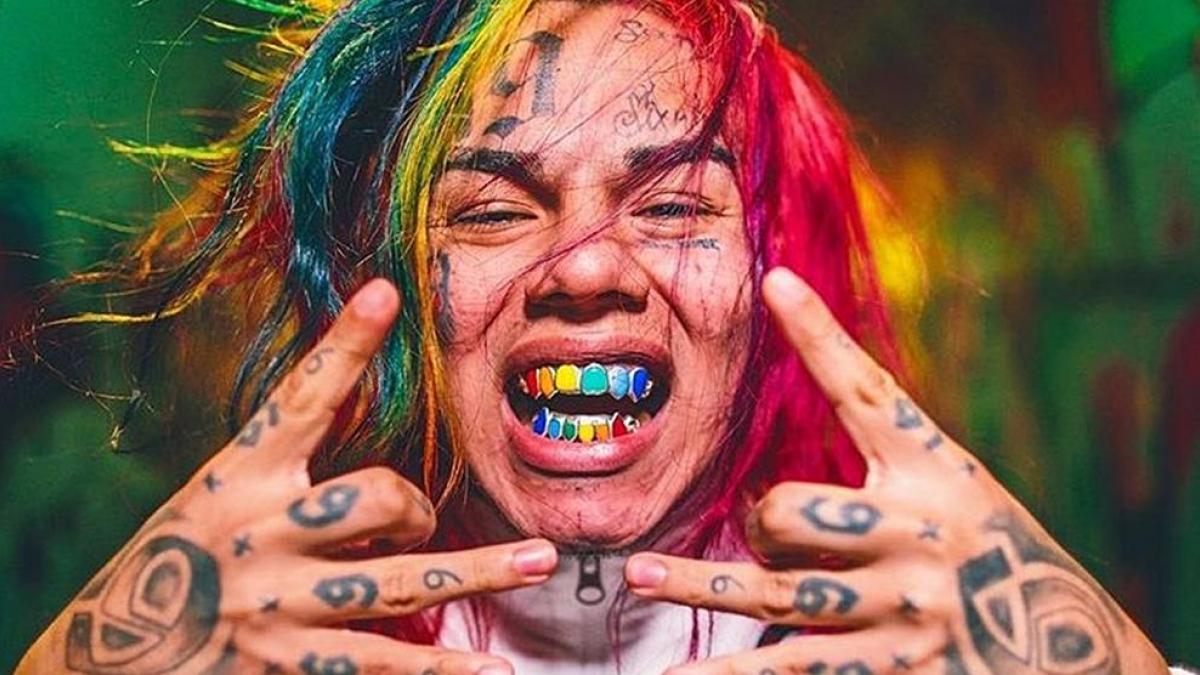
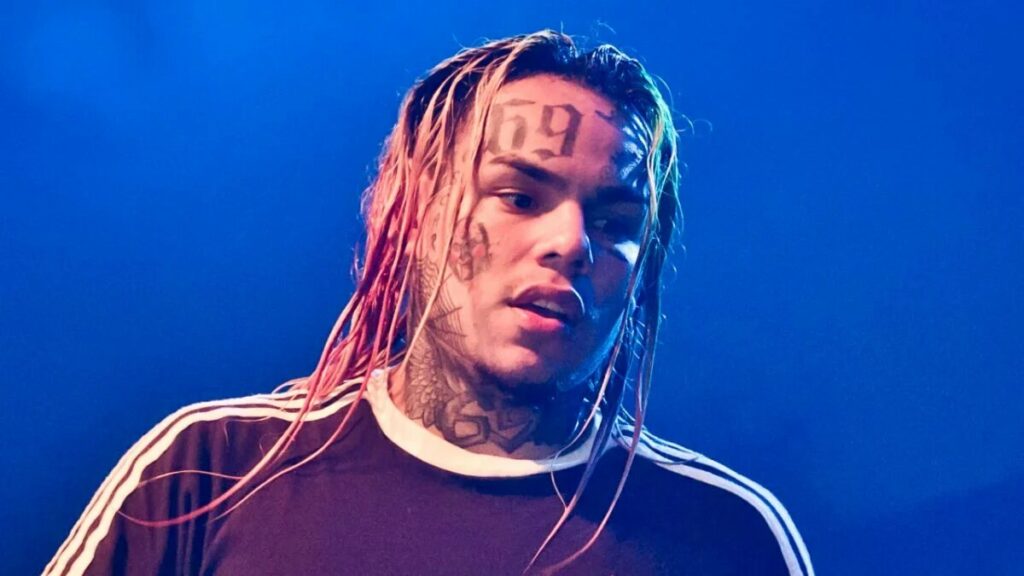
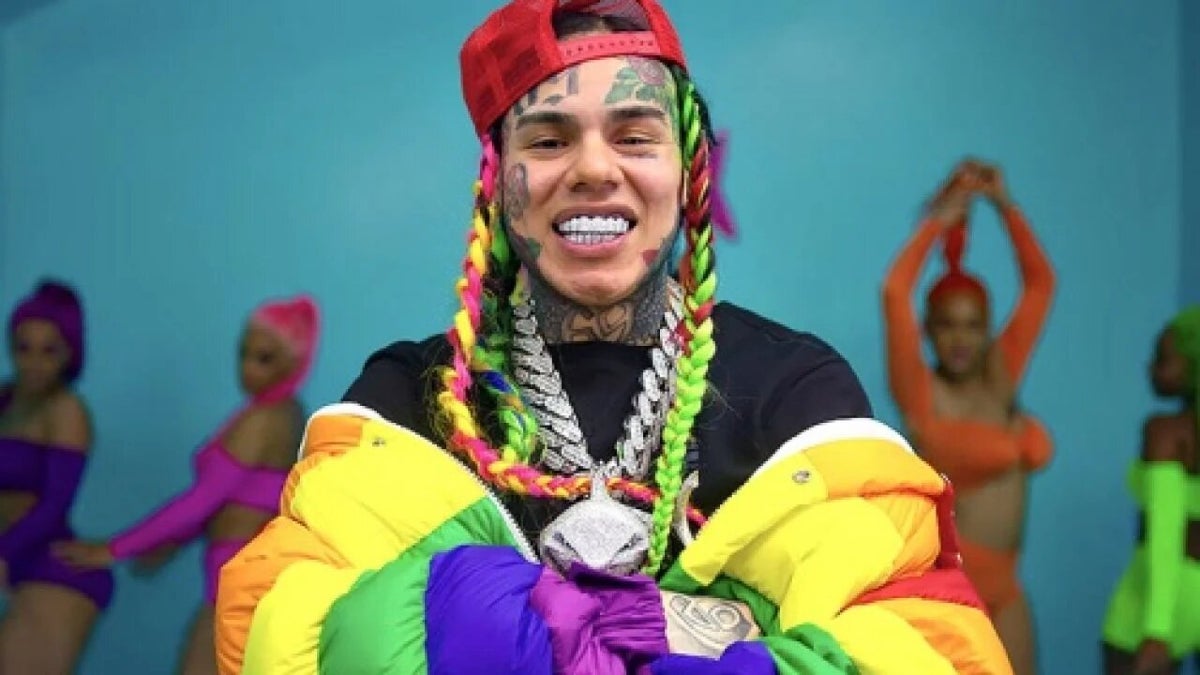
Soundcloud rap brings with it an aesthetic that is as raw, aggressive, and offensive as the punk of old. Characterized by colorfully dyed hair, face tattoos, and eclectic fashion, Soundcloud rappers challenge traditional notions of both taste and hip-hop culture. References to anime, video games, and cartoons are plastered throughout lyrics and album covers, which would have been seen as a corny aesthetic death sentence for a rapper years ago. Lyrics mostly fall into two camps: violent, unabashed, hedonism and Xanax-fueled, introspective depression. Rejecting the cleanly produced soul and jazz samples of traditional hip-hop, Soundcloud rappers find sample inspiration in ethereal electronic music and the abrasive instrumentation of metal/screamo bands like Slayer and Slipknot.
Musicians battle over how to measure popularity in a streaming world
Read Now ►
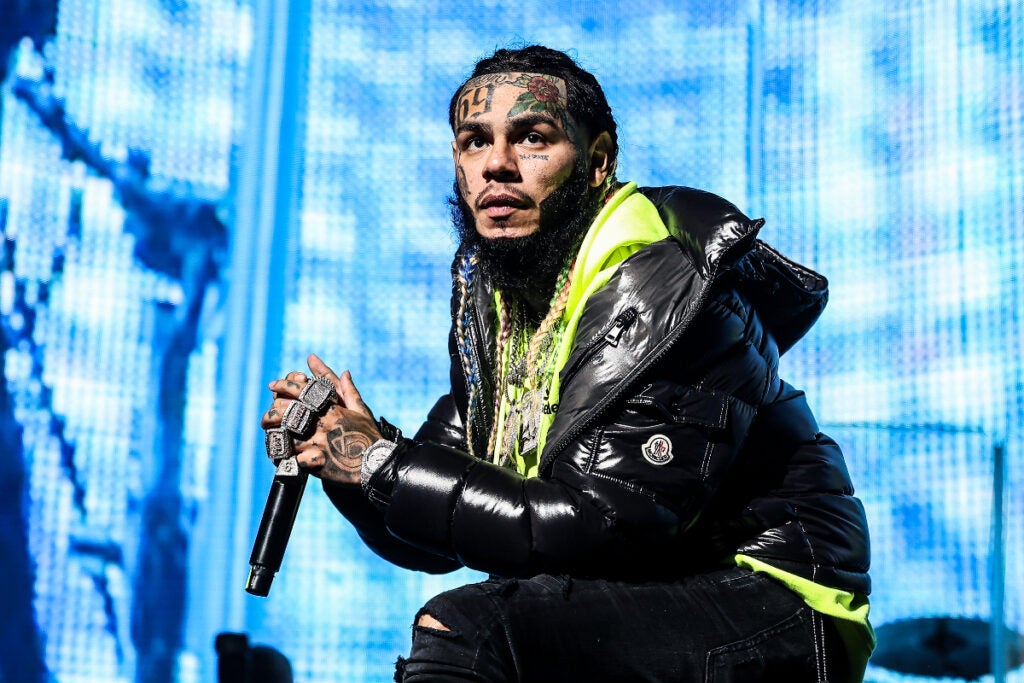
Soundcloud rappers, like their punk forefathers, embrace controversy to increase their notoriety. In the age of viral marketing, doing something ridiculous will get you clout, providing the perfect promotion for your new mixtape. Of all the Soundcloud rappers who do this, no one does it better than 6ix9ine. 6ix9ine is constantly making headlines or trending on Twitter for his ongoing legal troubles, feuds with other rappers, or bizarre antics. As the Soundcloud rappers further agitate oldheads and the mainstream, they ironically gain more mainstream visibility and popularity.
Unsurprisingly, the contradictory marriage between primal hedonism and suicidal thoughts present in Soundcloud rap baffles record executives. Soundcloud rappers use streaming platforms like YouTube and Spotify to bring the DIY punk ethos to the digital age, uploading their songs for free. Despite their humble, lo-fi origins, the streaming numbers of these rappers rival or surpass those of label-groomed and pushed Top 40 artists like Taylor Swift and Ed Sheeran. A prime example is the music video for Lil Pump’s Gucci Gang, which has over 800 million views on YouTube.
Because hip-hop is a much newer genre than rock, and because it has less pull and acclaim in the musical world in general, its punk phase could have only happened in the age of the internet.
Over the last decade and a half, hip-hop and the internet have changed each other. Soulja Boy’s use of the early internet to create viral music set the stage for artists even beyond rap to follow. Lil B personified the internet with his shameless sincerity and self-confidence, representing the internet as an opportunity for people to express themselves freely through the information superhighway. Lastly, the low barrier to entry and wide popularity of internet streaming sites allowed hip-hop’s punk phase to grow into an unstoppable beast that dominates current popular music. Hip-hop and the internet share a symbiotic relationship, and they evolve in parallel to each other. Rappers are some of the biggest tastemakers in popular culture, so expect them to further utilize the internet in innovative ways to further evolve the culture.
What do you think of the internet’s relationship with hip-hop? Let us know!