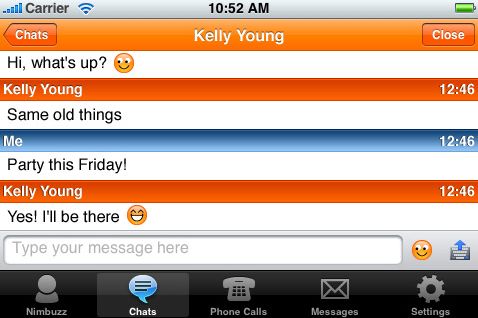
Nimbuzz is pulling support for MSN/Windows Live Messenger, effective immediately according to its official blog. Nimbuzz is one of the best apps that pull together your instant messaging and social networks; since Microsoft announced that Messenger was closing and users are being moved to Skype, it was only a matter of time before this happened.
Nimbuzz will continue to support Facebook, Google Talk, Yahoo! and Twitter. Skype is not available outside its official app, and there are no signs of any change to that policy.
The end of Windows Live Messenger continues to upset many users, as Skype does not adequately replace all of its features like email notifications.
There are alternatives to Nimbuzz, like eBuddy and Pidgin, but they will all have to stop support for MSN eventually as it will be closed down soon.
Do you use Nimbuzz? Will that change now MSN has been removed?