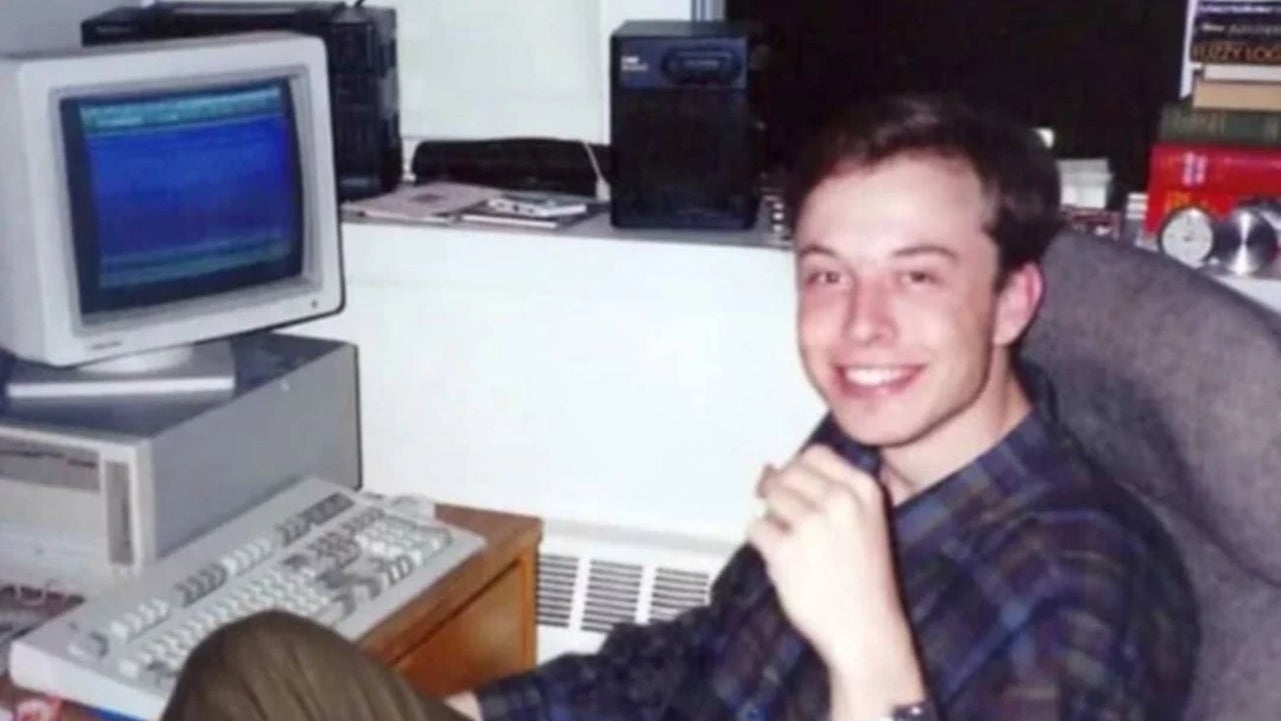
We all know Elon Musk. He is half Tony Stark, half Captain Planet villain: he has been part of Donald Trump’s government, popularized the electric car, destroyed Twitter (turning it into X, whatever that is), and desperately sought the love of an audience that has already shown on several occasions that, except for those who pay for their blue badge, cannot stand him. However, there was a time when this magnate, capable of ending world hunger (and who, despite everything, chooses not to do so every morning when he wakes up), was just a simple nerd creating video games in his home. In fact, that’s how he made his first buck thanks to a small plagiarism of Space Invaders called Blastar.
Eat the rich, make video games
Elon Musk is very fond of video games, or so he says. In fact, he became one of the best in the world at several of them… until it was discovered that he paid better players than him to come in first. If you ever thought you had a low ego, think that the richest guy in the world needs to have his back massaged in such an artificial way. It wasn’t always like this, mind you: at 12 years old, Musk was a kid who didn’t dream of building rockets in real life, but of programming them for others to have fun.
In the early 80s, Musk was living with his father and brothers, although, as he has stated on more than one occasion, his life was little less than a hell. So much so that he took refuge in fantasy literature and in learning to program for his VIC-20, the first computer in history to sell more than a million units. By simply learning the user manual, the kid ended up creating, in 1984, Blastar, a terribly simple 8-bit game that you can learn to play in a minute and master in two. Enough to earn the first paycheck of his life.
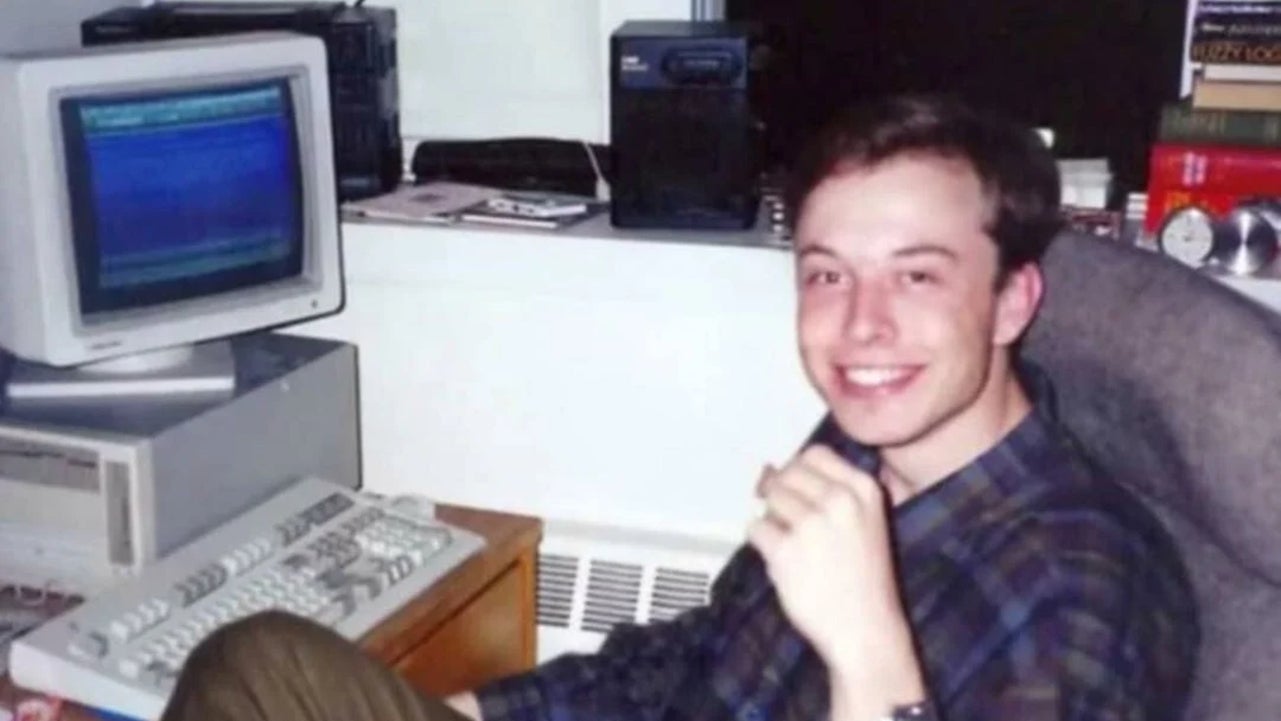
Blastar, which was released a year after Blaster (let’s not confuse it with the classic arcade shooter), consisted of a ship that had to take down alien freighters while dodging both deadly hydrogen bombs and state-of-the-art ray machines. It sounds spectacular, but it isn’t. However, in the magazine PC and Office Technology, they found it incredible enough to shell out 500 dollars and buy the code, which they published in the magazine. If you wanted to play it, you had to assemble the code yourself, of course: that’s how things worked back then, after all.
The anecdote remained an anecdote until 2015, when Tomas Lloret, a young software engineer from Google originally from Valencia, made it playable, so that we can all now see this lost piece of history. It’s not very impressive, but it helped Musk start to develop a fondness for two things: programming and money. Lloret, by the way, has ended up working with the entrepreneur and is currently in Los Angeles at the SpaceX offices. And one can’t help but wonder if they have ever talked about Blastar between flights. It’s only natural, right?
By the way, Musk did end up making more video games, but only as an assistant during one summer. It was ten years later, at Rocket Science Games, a studio that did a bunch of things that haven’t gone down in history, but among which there were three titles where, supposedly, the now billionaire worked: Loadstar, the legend of Tully Bodine; Cadillacs & Dinosaurs: The second cataclysm and Rocket Jockey. He was just an intern, so he ended up being satisfied with appearing in the credits of Loadstar. Less than a stone.
If you’re wondering what happened to Rocket Science Games, well, the story isn’t very pretty: they started making headlines, raised 35 million dollars, and then, as their founder, Steve Blank, says, “I realized that our games were terrible, nobody was buying them, our best engineers started leaving and with 120 people burning out quickly, we were running out of money and about to go bankrupt”. That’s what happened, by the way: in 1997, Rocket Science Games went bankrupt and, although they managed to pull some tricks to survive until 2000, in the end, there was no other solution. It can happen to any of us! Except, of course, for Elon Musk. Some people are just born lucky.