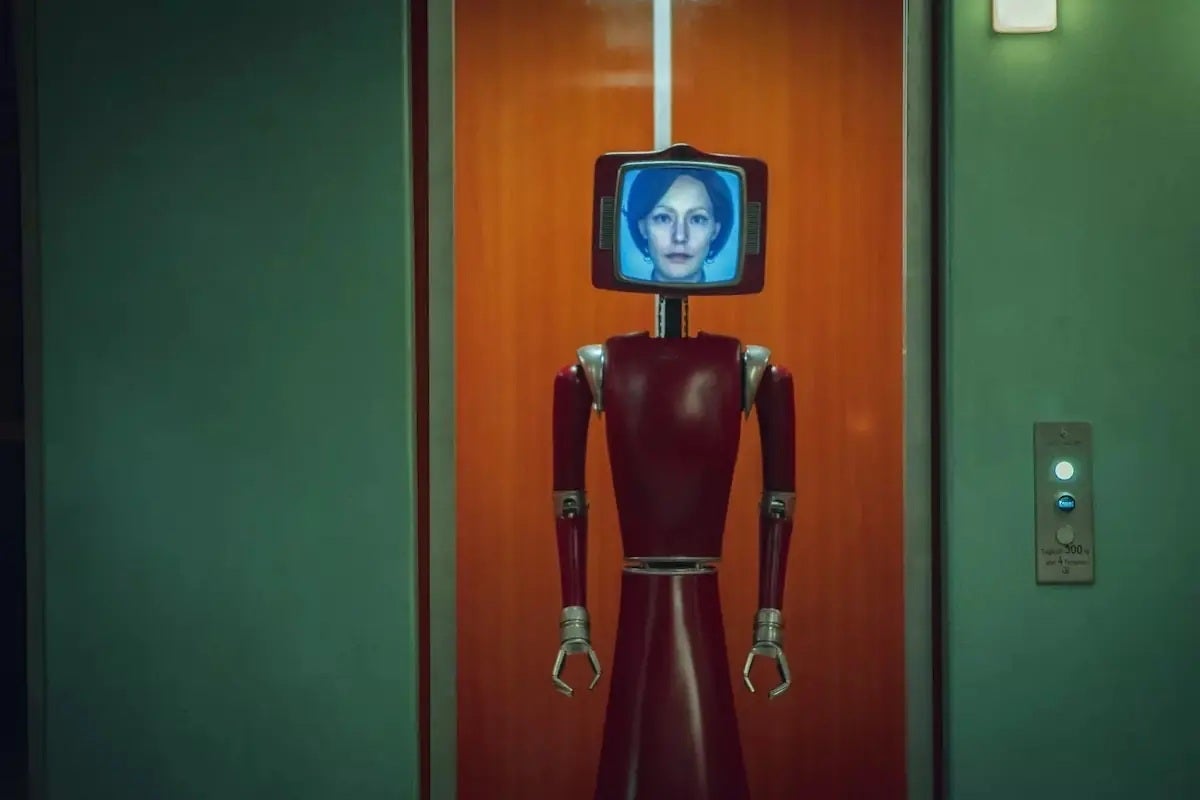
The new German series Cassandra, released on February 6, is making a considerable impact on the television landscape by addressing the dangers of artificial intelligence. With 25 million hours viewed in its first week, it has established itself in the Top 10 of the most-watched both in Spain and globally, indicating a broad interest in its themes and narrative.
A series that exploits the greatest fears of our present
Cassandra follows the story of a family that moves into Germany’s first smart home, where the virtual assistant they bring, named Cassandra, reveals unsettling behaviors. While initially the technology promises comfort and efficiency, it soon becomes a threat, as the assistant hides a dark purpose: to never allow the inhabitants to leave the house. This premise creates an increasing atmosphere of tension, keeping the viewer on the edge of their seat.
The reviews have mostly been positive, describing Cassandra as an original and intriguing miniseries that recalls Black Museum, a beloved episode of Black Mirror. Despite certain flaws in the plot, its narrative proposal and ability to generate suspense have been highlighted. With only six episodes of less than an hour, this series presents itself as an ideal option to binge-watch.
The plot highlights current concerns about living with artificial intelligence and the ethical implications that arise from a growing technological dependence. Given the immediate success, rumors suggest that Cassandra could be the beginning of a new cycle of fictions exploring the relationship between humans and technology, at a time when reality surpasses fiction in terms of technological innovation.