
Cybersecurity has evolved from an annual compliance task to a continuous and dynamic practice, according to the findings of the recent Simulation and Gap Summit. During the event, industry leaders and experts emphasized that cyber defense is no longer based on prediction, but on the constant validation of defenses. Security does not fail at the point of breach, but in the impact, they stated, highlighting the importance of testing security controls in real time.
Continuous Validation
Attack techniques have advanced rapidly, requiring that organizations conduct simulations in real environments to assess the effectiveness of their defenses. BAS allows for testing how systems respond to simulated attacks while helping to identify exploitable vulnerabilities, transforming threat management through artificial intelligence and automation.
One of the highlights was the implementation of an evidence-based approach, where organizations prioritize vulnerabilities that truly pose a risk. It’s not about patching everything, but focusing on what can really be exploited, mentioned Volkan Ertürk, co-founder of Picus. This shift in strategy allows for more effective resource management and a more organized response to threats.
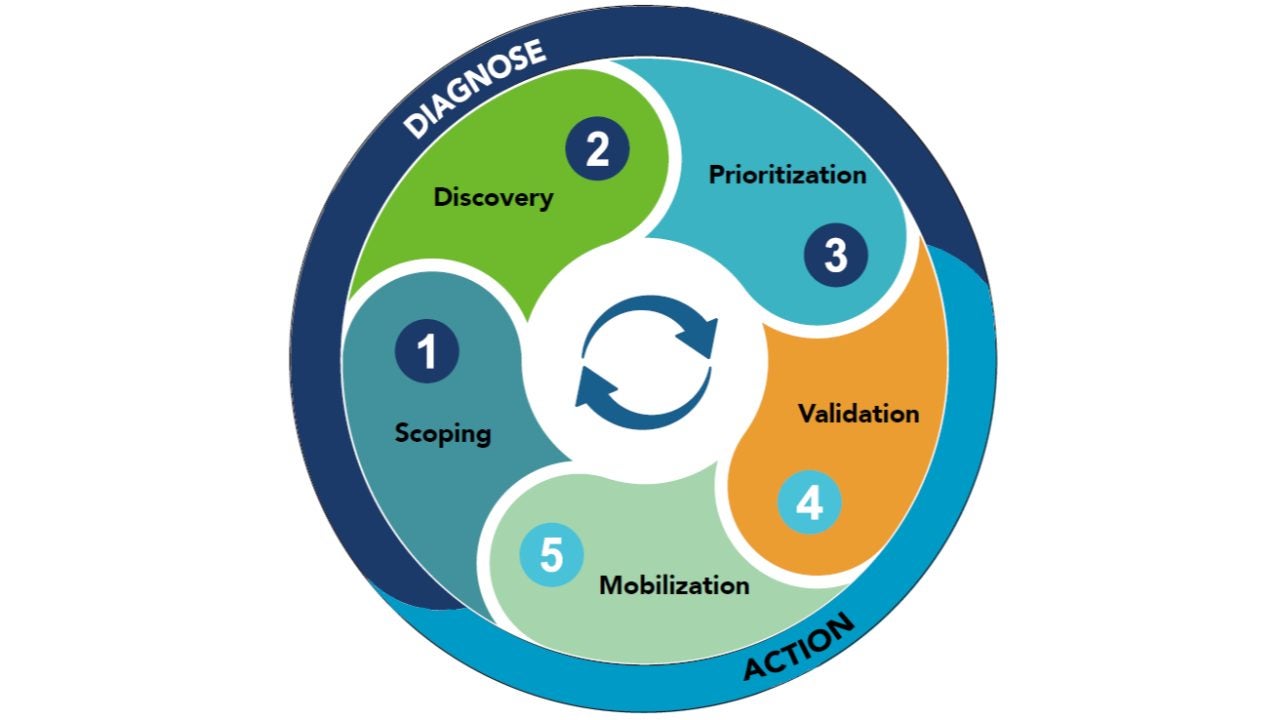
The sessions at the event demonstrated how BAS integrates into daily security operations, allowing teams to assess and validate their infrastructure in real time. In this context, the adoption of a Continuous Validation approach as part of the Continuous Threat Exposure Management (CTEM) model has become essential. In conclusion, the message was clear: security is no longer a matter of assumptions, but of concrete tests and evidence in the field.