The growing concern about indirect command injection attacks

In a world where artificial intelligence plays an increasingly crucial role in various sectors, Forcepoint has revealed the existence of ten new indirect prompt injection attacks that could compromise AI agents. These types of attacks emerge as a concerning threat, as they seek to manipulate the responses generated by AI systems through the injection of misleading or malicious messages during user interaction. New threats Indirect prompt injection attacks are a sophisticated technique in which an attacker can influence the output of AI without […]

In a world where artificial intelligence plays an increasingly crucial role in various sectors, Forcepoint has revealed the existence of ten new indirect prompt injection attacks that could compromise AI agents. These types of attacks emerge as a concerning threat, as they seek to manipulate the responses generated by AI systems by injecting misleading or malicious messages during user interaction.

New Threats

Indirect prompt injection attacks are a sophisticated technique in which an attacker can influence the output of AI without users being aware of the risk. This could lead to the generation of inappropriate content, bias in responses, or even the leakage of sensitive information. Forcepoint highlights that most of these attacks originate in collaboration and communication platforms, where users can interact directly or indirectly with AI models.

The addition of these techniques to the arsenal of cyber threats presents a considerable challenge not only for AI developers but also for the companies and users who place their trust in these technologies. As a result, it is essential for organizations to implement robust security measures and employ secure development practices to mitigate the risk of these attacks.

In addition to technical concerns, this new discovery highlights the need for ongoing education about cybersecurity among end users. With the increasing integration of AI into our daily lives, individuals must understand not only the benefits of these tools but also the risks associated with their misuse.
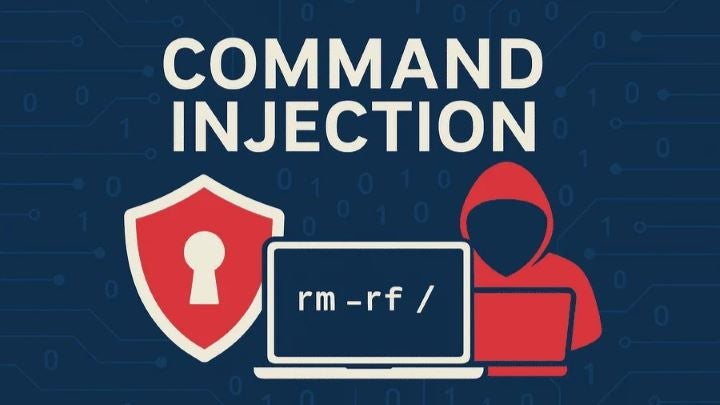
Forcepoint warns that defense against these threats cannot be merely reactive, but must be part of a proactive approach in the development and regulation of AI. Meanwhile, the debate intensifies regarding the responsibility of companies to ensure the security of their artificial intelligence systems against these new modes of attack.

Cybersecurity is shifting from an annual compliance to a continuous practice

Cybersecurity has evolved from an annual compliance task to a continuous and dynamic practice, according to the findings of the recent Simulation and Gap Summit. During the event, industry leaders and experts emphasized that cyber defense is no longer based on prediction, but on the constant validation of defenses. Security does not fail at the point of breach, but in the impact, they stated, highlighting the importance of testing security controls in real time. Continuous validation Attack techniques have advanced rapidly, requiring organizations to conduct simulations in real environments for […]

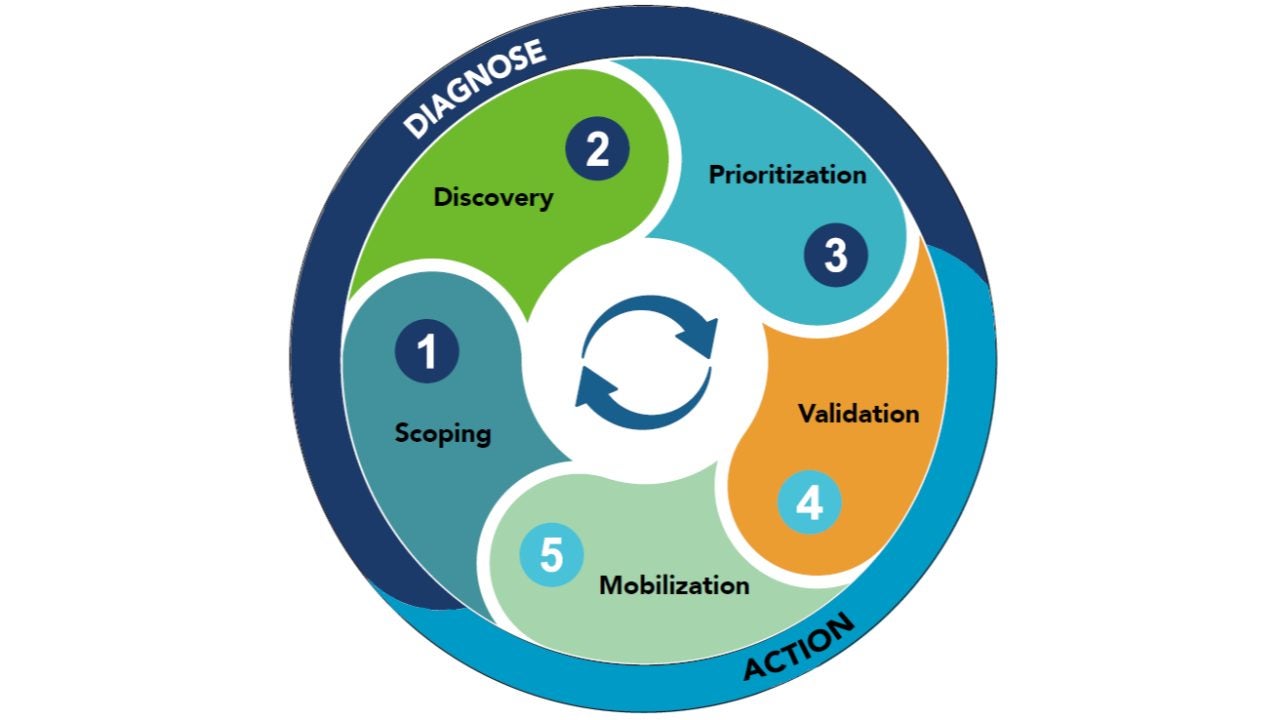
Cybersecurity has evolved from an annual compliance task to a continuous and dynamic practice, according to the findings of the recent Simulation and Gap Summit. During the event, industry leaders and experts emphasized that cyber defense is no longer based on prediction, but on the constant validation of defenses. Security does not fail at the point of breach, but in the impact, they stated, highlighting the importance of testing security controls in real time.

Continuous Validation

Attack techniques have advanced rapidly, requiring that organizations conduct simulations in real environments to assess the effectiveness of their defenses. BAS allows for testing how systems respond to simulated attacks while helping to identify exploitable vulnerabilities, transforming threat management through artificial intelligence and automation.

One of the highlights was the implementation of an evidence-based approach, where organizations prioritize vulnerabilities that truly pose a risk. It’s not about patching everything, but focusing on what can really be exploited, mentioned Volkan Ertürk, co-founder of Picus. This shift in strategy allows for more effective resource management and a more organized response to threats.

The sessions at the event demonstrated how BAS integrates into daily security operations, allowing teams to assess and validate their infrastructure in real time. In this context, the adoption of a Continuous Validation approach as part of the Continuous Threat Exposure Management (CTEM) model has become essential. In conclusion, the message was clear: security is no longer a matter of assumptions, but of concrete tests and evidence in the field.

Thousands of Microsoft Exchange servers are exposed to a critical security vulnerability

More than 29,000 Microsoft Exchange servers remain unpatched despite a critical vulnerability that could compromise the security of hybrid cloud environments. This situation could allow malicious attackers to take full control of the affected domains, jeopardizing the integrity of sensitive data and the infrastructure of the organizations involved. Significant security breaches The identified vulnerability is extremely serious, as it allows intruders to execute unauthorized actions on the servers, which could result in significant security breaches. As the reliance on hybrid cloud solutions intensifies, […]

More than 29,000 Microsoft Exchange servers remain unpatched despite a critical vulnerability that could compromise the security of hybrid cloud environments. This situation could allow malicious attackers to take full control of the affected domains, jeopardizing the integrity of sensitive data and the infrastructure of the organizations involved.

Important security gaps

The identified vulnerability is extremely serious, as it allows intruders to perform unauthorized actions on the servers, which could result in significant security breaches. As the reliance on hybrid cloud solutions intensifies, protecting these servers becomes a vital aspect for the organization and business continuity.

Cybersecurity experts have highlighted the importance of implementing updates and patches regularly to mitigate risks. The lack of these updates on such a high number of servers reveals a potential neglect in cybersecurity management. Companies must be proactive in identifying and resolving vulnerabilities to protect not only their data but also the trust of their customers and business partners.

In addition, several reports suggest that attacks through these vulnerabilities could increase, as cybercriminals are always looking for new opportunities to exploit weaknesses in popular systems like Microsoft Exchange. Organizations that have not yet applied the necessary patches run the risk of becoming easy targets.

In light of this situation, there is an urgent call to system administrators and data security officers to evaluate and update their servers immediately, thus protecting both their assets and their reputation in the industry. Cybersecurity is a crucial aspect that should not be underestimated in today’s digital age.

Artificial intelligence as a double-edged sword for cybersecurity professionals

Artificial intelligence is radically transforming the landscape of cyber threats, enabling adversaries to carry out faster and more sophisticated attacks than ever before. From the use of deepfakes in disinformation campaigns to the automated discovery of vulnerabilities in systems, AI has provided attackers with new tools to operate at an unprecedented speed and scale. This evolution threatens not only the security of organizations but also public trust in digital information. Ally and threat Among the most concerning techniques is social engineering supported by deepfakes, which enhances the effectiveness of […]

Artificial intelligence is radically transforming the landscape of cyber threats, enabling adversaries to carry out faster and more sophisticated attacks than ever before. From the use of deepfakes in disinformation campaigns to the automated discovery of vulnerabilities in systems, AI has provided attackers with new tools to operate at an unprecedented speed and scale. This evolution threatens not only the security of organizations but also public trust in digital information.

Ally and Threat

Among the most concerning techniques is social engineering supported by deepfakes, which enhances the effectiveness of targeted attacks. This technology can generate false content that appears authentic, making it even more difficult to defend against cyber fraud. As these tools become more accessible and effective, security leaders are forced to reconsider their conventional defense methods.

However, AI does not only act as a threat; it also presents itself as a powerful ally for those at the forefront of cybersecurity. When applied correctly, it can enhance defense against cyberattacks, allowing organizations to anticipate and neutralize emerging threats. This is a crucial aspect that will be addressed in the upcoming seminar, where real-world trends and emerging attack patterns will be discussed.

Security specialists are called to rethink their traditional controls and prepare for an environment where machines are both threat actors and defenders. This paradigm shift will challenge leaders to stay one step ahead in the fight against cybercrime, anticipating the future of threats and adapting their defense strategies to innovations driven by AI.