Magic: The Gathering has shown during Gen Con its future collaborations, with licenses such as Final Fantasy and Assassin’s Creed.
Over the weekend, Gen Con took place in Indianapolis, considered one of the largest tabletop gaming conventions in the US and, by extension, the world. It’s the venue where major industry innovations are showcased, important awards are presented, and surprising announcements are made. It’s also where significant games make their debut. That’s why Wizards of the Coast always reserves a space to unveil their upcoming offerings for the next year during Gen Con.
In fact, Wizards of the Coast had much more to reveal than just what’s coming for Magic: The Gathering in 2024. By showcasing sets all the way up to 2025, they’ve provided us with far more information than they typically do. However, let’s focus on what has caught the most attention with this development: their collaborations with other licenses.
Jurassic Park
In November, “The Lost Caves of Ixalan” will be released, a collection where we’ll delve into the interior of a hollow world inhabited by a lost civilization, as well as numerous dinosaurs. It’s no wonder they’ve decided to use the Jurassic Park license to add an extra layer of excitement to the mix. These cards will be specially created for the occasion and will appear in both collector and regular booster packs. Moreover, there will be two special Secret Lair drops dedicated to Jurassic Park on a date yet to be determined.
The Lord of the Rings: Tales from Middle-earth, Holiday Edition
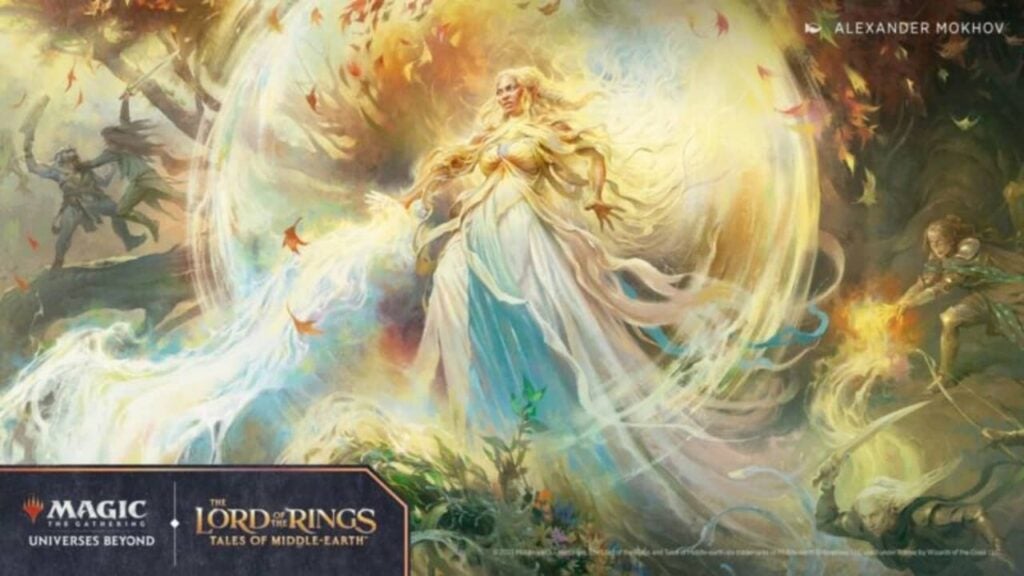
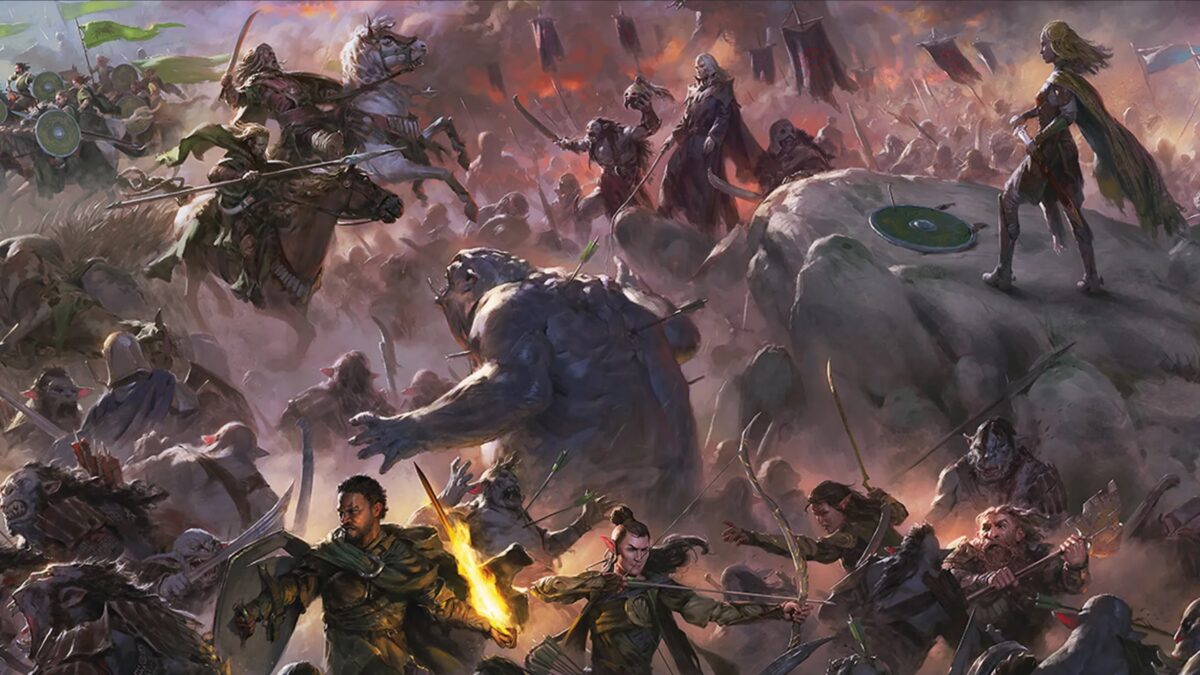
The Lord of the Rings will make a return once again in November, this time with new cards featuring fresh mechanics, new scenes, and new treatments. While we don’t know much yet, we do know that one of the scene boxes — which include cards that form a complete illustration when placed together — will be “The Might of Galadriel.” Additionally, one of the new card treatments will adopt a concert poster style, breaking away from the more classic forms of the collection’s initial release.
Fallout
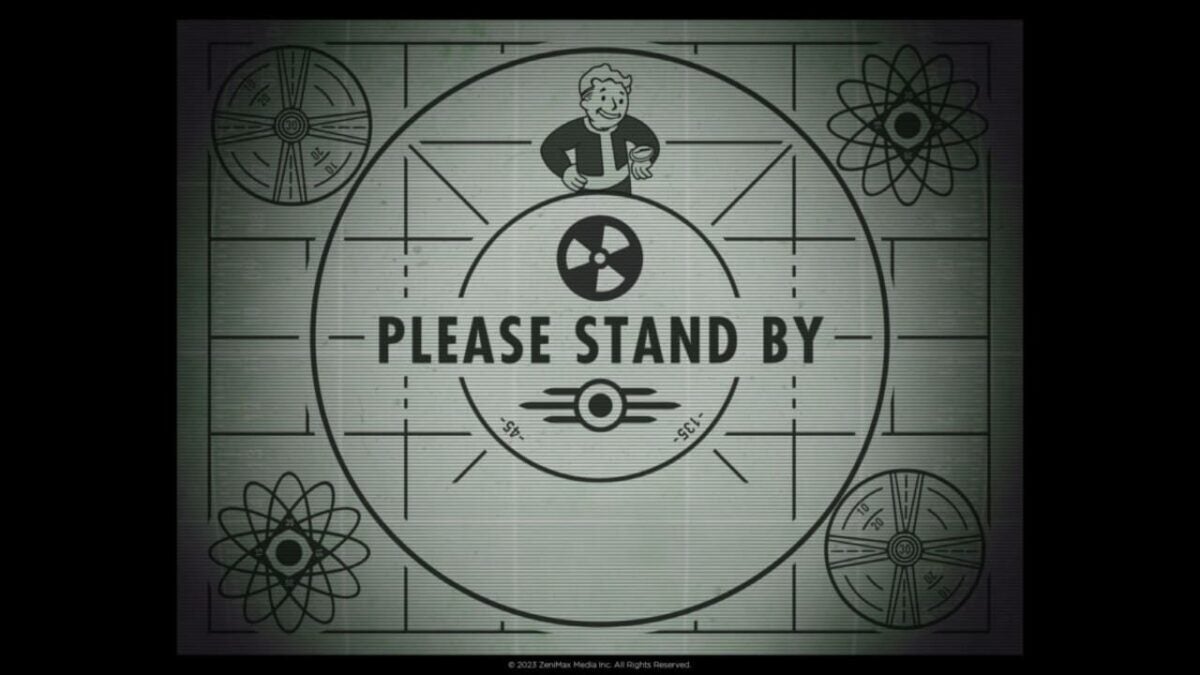
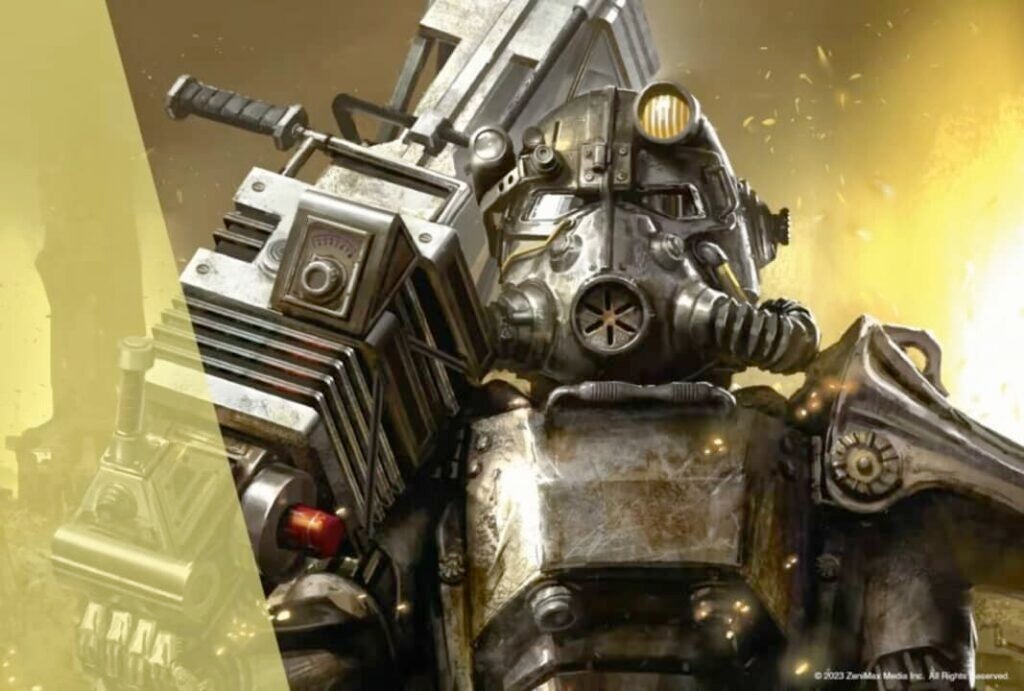
With a release date set for March 2024, one of the most post-apocalyptic collaborations in the history of Magic: The Gathering is on the horizon. The legendary video game franchise, Fallout, is making its way into the realm of Magic with four Commander decks, each representing a faction from the game. This follows a similar approach to what was done with the Warhammer 40K Commander decks. Designed to be played against each other in a multiplayer format, these decks are intended to attract a new audience to Magic through a tangential license that might pique their interest in the product, even if they weren’t sure how to get into it.
Asssassin’s Creed
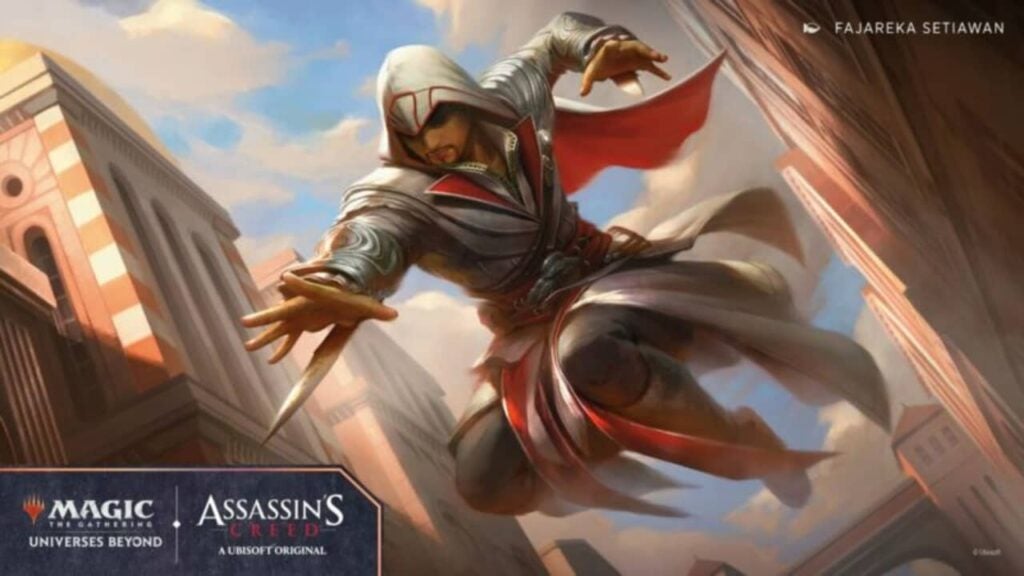
Arguably, the most surprising collaboration comes with the renowned Ubisoft franchise. Set to release in July 2024, Assassin’s Creed marks the latest known collaboration for the game in the coming year. It’s also the most distinctive one. It will be the first collection presented in what they’ve termed “Beyond Boosters”: booster packs with fewer cards than usual, containing both original cards and reprints of old cards, all legal in the Modern format. This set is designed to offer a journey through the game’s universe, providing a way to experience the world of Assassin’s Creed without creating an entire collection around it.
Final Fantasy
The big one, the collection we were already aware of, is slated for 2025. Similar to “The Lord of the Rings: Tales of Middle-Earth” in its format, meaning we can expect a comprehensive collection with integration into Magic: The Gathering Arena, this set will encompass all the games in the franchise, from the first one to the most recent, Final Fantasy XVI as of the time of writing. This collaboration is poised to rival the popularity of “The Lord of the Rings,” which is already the second best-selling collection in the history of the game.
Some of the links added in the article are part of affiliate campaigns and may represent benefits for Softonic.
The One Ring of Magic has finally found an owner willing to pay several million for it, and he is a famous singer we all know.
If there’s one big news in the world of Magic: The Gathering this year, it’s about The One Ring. Even reaching beyond the Magic player community, the existence of a card of which only one copy exists in the world, representing The One Ring from The Lord of the Rings, caused a sensation worldwide. A store in Valencia even offered two million euros (and a paella) for it, capturing attention everywhere. And for good reason. But it seemed like the story had come to an end when someone found it and was going to put it up for auction. However, today we’ve discovered that the card already has an owner. And it’s someone very famous.
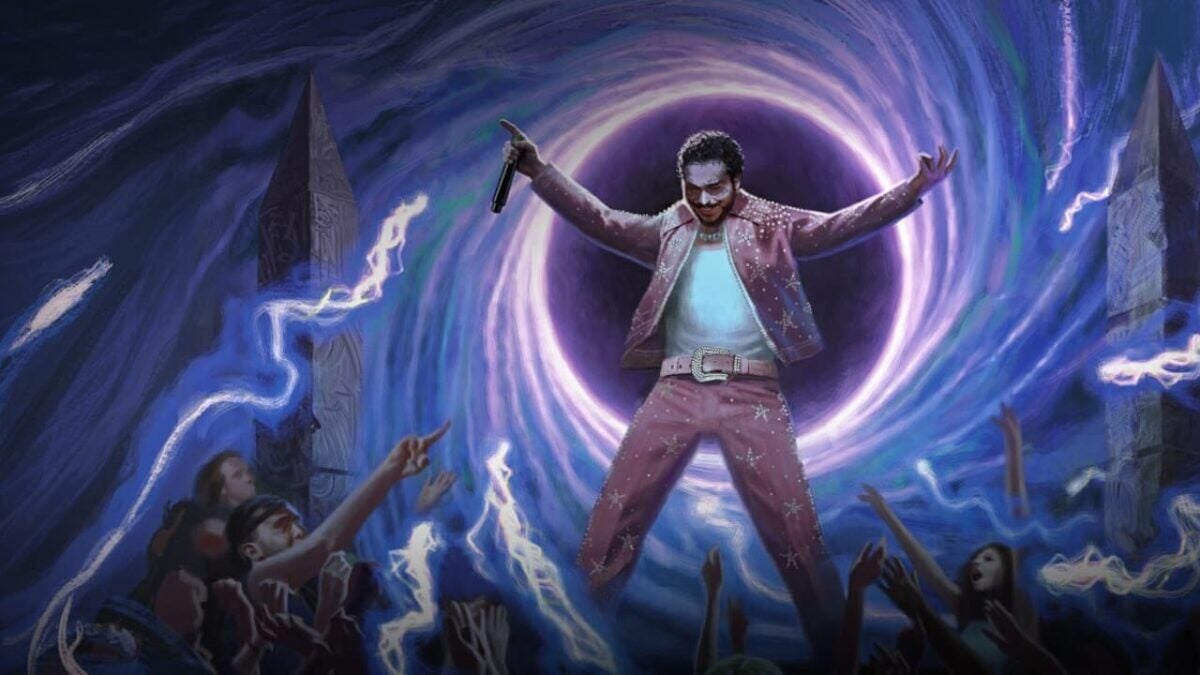
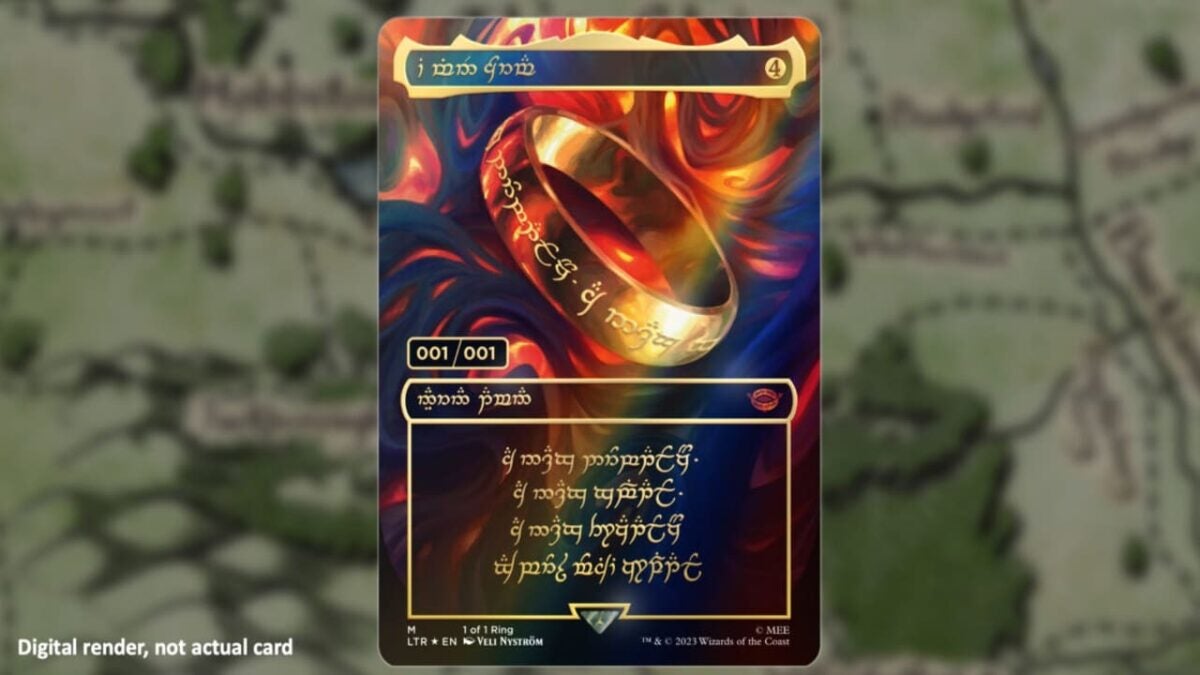
The One Ring serialized 001/001 from The Lord of the Rings: Tales from Middle-earth has changed hands and its new owner is probably the world’s richest Magic player: Post Malone.
Posting a video on X, the platform formerly known as Twitter, and Tik Tok, Brook Trafton, the person who originally opened The One and Only Ring, poses with the famous singer, hugging him, with a monetary exchange that has likely changed his life life forever. One more than enough reason to get excited.
This is my dream come true, meeting @PostMalone and him buying the One Ring card from me is literally a moment straight out of a fairytale. @PostMalone@wizards_magic you’ve changed my life. Things like this don’t happen to people like me. Forever grateful ? ✨ #mtg#oneringpic.twitter.com/VMBlDA1HdD
The exact sale price of the card still remains a mystery today. Speculations suggest that it has been sold for an amount exceeding two million dollars, which sounds reasonable considering that Post Malone himself paid 800,000 dollars for a signed version of Black Lotus by the artist Chris Rush. However, there is no official confirmation of the actual amount he paid for this card. The only thing that is clear is that it was certainly not a small sum, and whatever the amount was, both Trafton and Malone have achieved exactly what they desired from this transaction.
Some of the links added in the article are part of affiliate campaigns and may represent benefits for Softonic.
Tom Bombadil, Imrahil or the first of the ent to charge against Isengard are among the characters who are not in the movies and with a letter in The Lord of the Rings: Tales of Middle-earth.
Adaptations of literary works to other media are always accompanied by a mixture of excitement and tension. Excitement to see the characters coming to life, taking shape in a way we could never have imagined, with the story unfolding before our eyes in a different way than we had experienced it before. Tension, too, because it implies facing the unknown of whether they will know how to adapt it, whether they will understand what makes it special, whether it will really be a good adaptation or, as so many times before, it will be an absolute disaster.
The Lord of the Rings was not spared from this mixture of illusion and tension. Fortunately, the adaptation was fantastic. Peter Jackson and his team knew how to not only adapt the books, but also adapt them to contemporary sensibilities, making them more accessible, vibrant and current. Almost as if they were a work of the present, not the past.
Its only problem is that, being a movie and having a limited space, many mythical and beloved characters could not make their way into it. Something that has not happened in another adaptation as meritorious as the movies, such as The Lord of the Rings: Tales from Middle-earth. That is why today we are going to review all the cards that represent characters that appear in the books and do not appear in the movies and how they are represented on the cards, seeking to characterize them through the game mechanics themselves. Because Peter Jackson did an amazing job, but so has Wizards of the Coast.
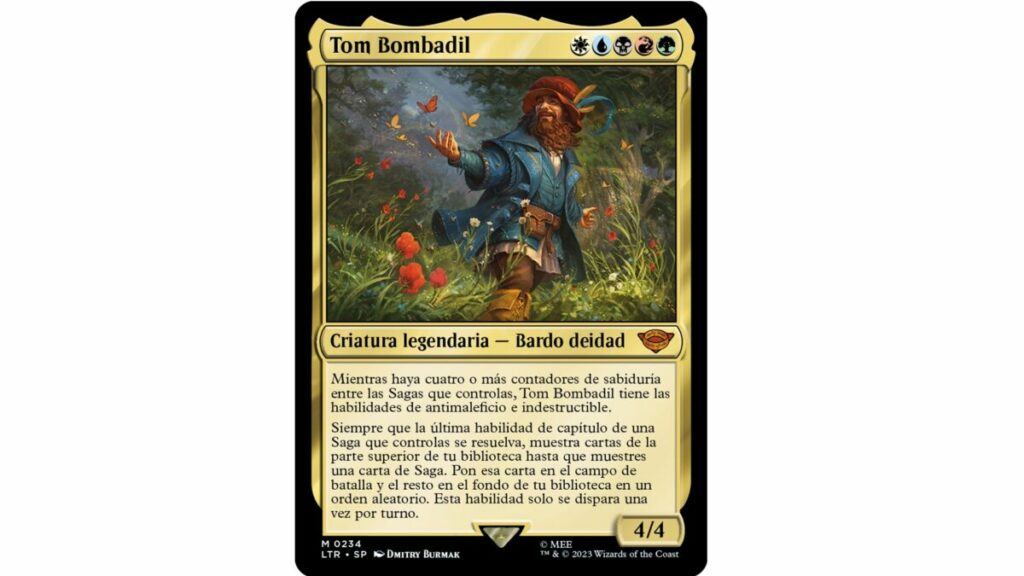
Tom Bombadil
One of the great missing from Peter Jackson’s adaptation of The Lord of the Rings was Tom Bombadil; someone so powerful that, during the Council of Elrond, the Fellowship of the Ring considered giving him the One Ring for safekeeping, as not even Sauron would have dared to enter his domain. To his misfortune, Tom Bombadil was more interested in naps, smoking, eating, drinking, and being with his wife, Goldberry, and that made it a logical cut in the movies. Even if it is an excellent card for Commander players.
Having the five colors of the game in his cost, his abilities are related to the Sagas: cards that represent ancient stories and events that happened in the past. The more sagas there are on the battlefield the more powerful Tom Bombadil is, thus demonstrating his power. He is old, wise and always has knowledge to fall back on. Something that in terms of how to build the deck makes it very easy how to build a Tom Bombadil deck. Sagas of all sorts of colors, creatures and enchantments to ensure we have all five colors, and good old Tom Bombadil will show us why even Sauron himself feared him.
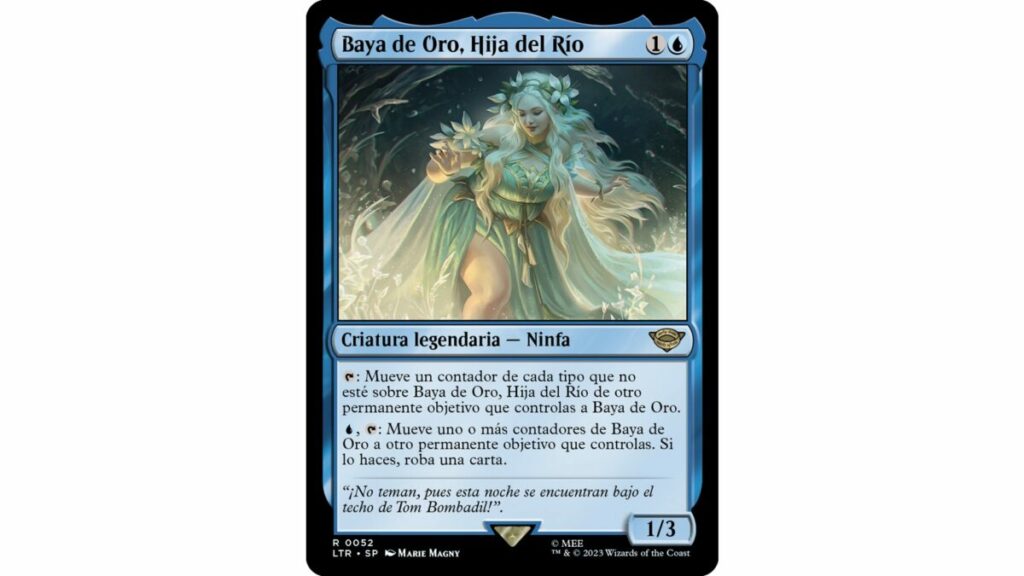
Gold Berry
Known as the Daughter of the River, named more than once as the most beautiful woman in Middle-earth, Goldberry is the wife and companion of Tom Bombadil, and lives with him in his shelter in the Old Forest. Although it is true that her role in the book is more anecdotal, acting as support for her husband, that does not detract from the fact that she is a character that many fans of the franchise are fond of, and have a lot of respect for all the power that she has always been understood to possess.
In playable terms, this is shown by her nymph abilities. With minimal cost, she is able to move counters of any type between other permanents and Goldberry and from Goldberry to other permanents. If left unanswered and we have other cards that create synergies with Goldberry, being able to straighten it after turning it, it can become an infinite value machine very much to be reckoned with. One that does nothing on its own? Perhaps not. But as in the novels, even if Goldberry is not by herself the most powerful person in Middle-earth, without her support it is inconceivable that the Company of the Ring would have even made it to the Council.
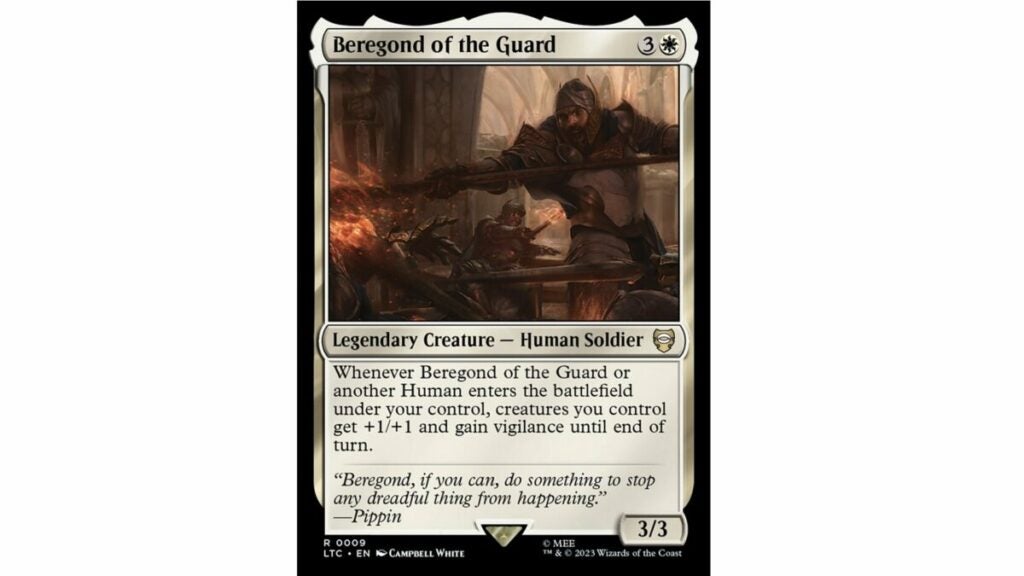
Beregond was the first captain of the White Company of Gondor, the guard of Faramir, brother of Boromir. Ignored in the films, Beregond was the one who accompanied Pippin when he arrived at Minas Tirith, and also the one who confronted the city’s Guards during the chapter of Denethor’s Pyre. He was also the one who marched alongside Aragorn in the battle of the Black Gate, which means that although it is understandable his lack of importance in the movies, the reality is that he is a capital character for the story: he was always there, acting as a leader and protector for his troops.
In fact, that’s its function as a card. Beregon of the Guard is a 3/3 for four mana, which isn’t too impressive, but when it enters the battlefield it gives +1/+1 and vigilance to all your creatures. Why? Because it inspires them. It gives them strength. When Beregond arrives, everyone knows that they are facing a reliable leader with whom nothing bad can happen. If they lead them, they will succeed. That’s why, every time a Human-type creature enters the battlefield, the same thing happens again. It grants +1/+1 and vigilance to all your creatures. Because reinforcements, when you are leading the Beregond army, you know they make you unstoppable.
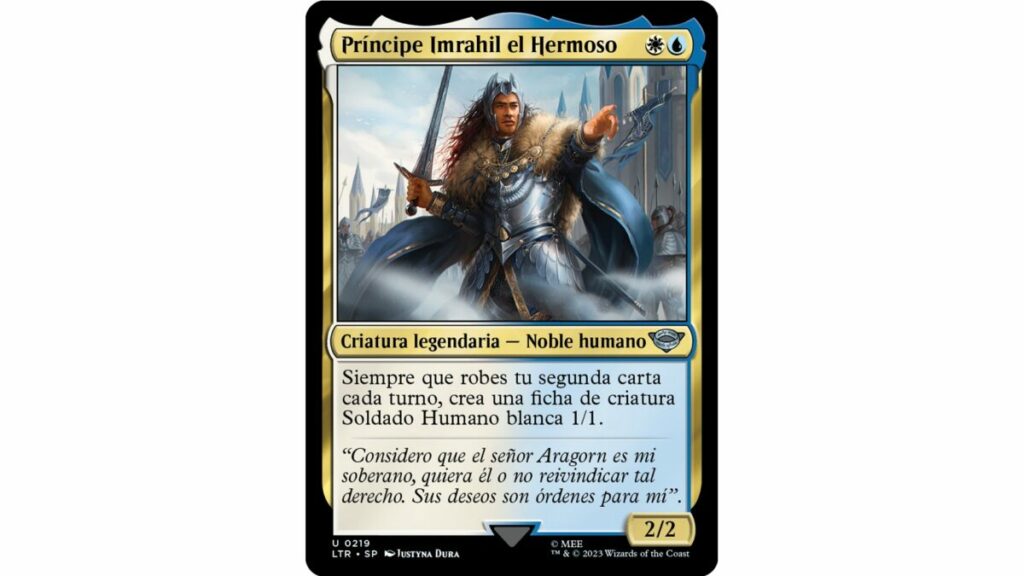
Prince Imrahil
The uncle of Boromir and Faramir also makes an appearance in Tales of Middle-earth. During the War of the Ring, Imrahil accompanied Gandalf out of Minas Tirith to rescue Faramir on his suicidal crusade from Osgiliath, and also took part in the defense of the city against the Nazgul. He survived all this and, in fact, it was he who brought Eowyn to the Houses of Healing after the battle of the Pelennor Fields. Something that translates in a very peculiar way within the game.
Prince Imrahil the Fair is an azorius creature, white and blue in color, that every time you draw your second card each turn, creates a white 1/1 Human Soldier creature token. It is he who at all times believes that Aragorn is the true rightful heir to the kingdom of men and puts his armies at his disposal. That is why he seeks to create as much advantage as possible. Drawing more cards, to have more strategic options, and thus have more soldiers, thanks to his passive ability. A demonstration of Prince Imrahil’s dedication to his king.
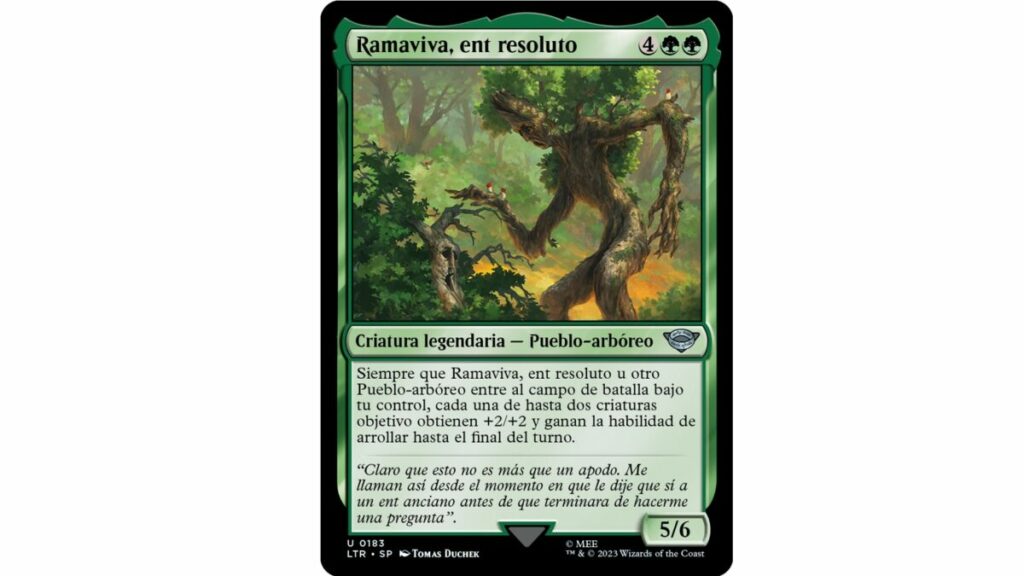
Among the most peculiar creatures created in The Lord of the Rings are the Ent, sentient trees that are just another race like humans, elves, or dwarves. Among these, Ramaviva, affectionately known by fans of Tolkien’s universe as the fastest Ent, was one of the youngest Ent among those who participated in the House of Ents, the meeting in which they decided to put an end to Saruman’s nefarious influence over their lands. In fact, it was Ramaviva who was the first to attack Isengard and who took charge of Merry and Pippin during the conflict, both of whom were unharmed thanks to him.
When it comes to translating this in terms of gameplay, Wizards of the Coast wanted to bring these two facets together. To show that he is an Ent that cares about others, but at the same time, that he has an impulsive and brutal side. That’s why every time he enters the battlefield, or when another Arboreal-People does, up to two target creatures get +2/+2 and gain the ability to run over until the end of the turn. Something that makes it a protector, in its own way, but above all a real bulldozer capable of finishing many games if there are other sides on the field to help it pass over the enemy troops.
Erkenbrand
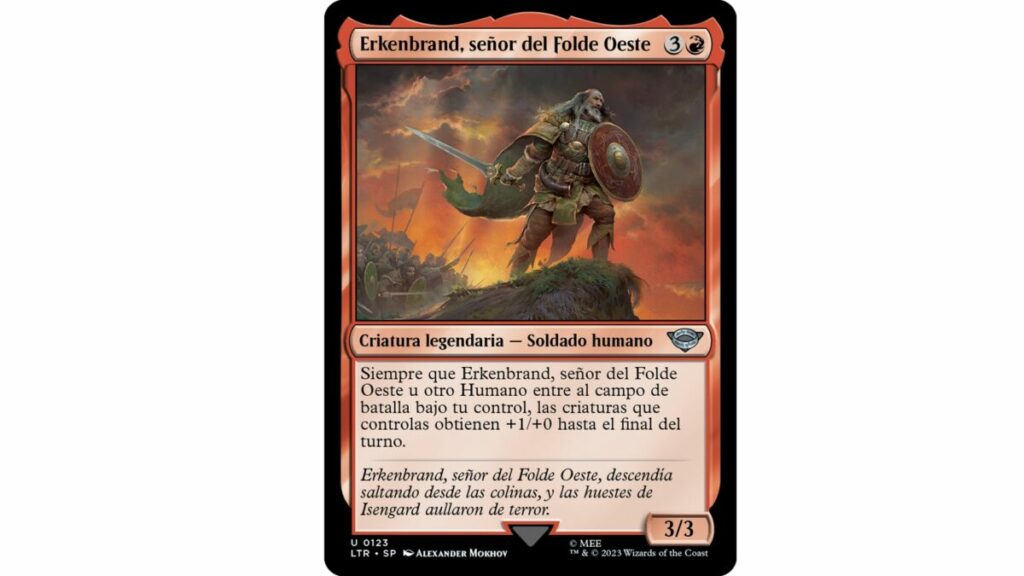
If there is one character that even many fans of the Lord of the Rings books would not know who he is, it is Erkenbrand. Lord of the West Folk in Rohan during the War of the Ring, he was in charge of defending the West Folk from the Orc invasion until Gandalf’s arrival, then joining him in the battle of Helm’s Deep. Although he does not appear in the movies and in fact, all his actions are transferred to Éomer, he is a very important character in the books, as he was the one who restrained Saruman, preventing Rohan from falling.
In Magic: The Gathering’s Tales of Middle-earth collection, he stars as a red monkey creature that every time he or another Human enters the battlefield, he makes all your creatures get +1/+0 until the end of the turn. This is explained by the fact that he spent a very long time defending himself against Saruman’s orcs, but also because it took him three days to march with Gandalf to Helm’s Deep. Not on a whim, but because they spent three days searching for every last person in Folde West who could still wield a weapon to fight in the bloodiest battle so far of The War of the Ring; a battle in which they were victorious, thanks to Gandalf’s power, but also to Erkenbrand’s steely leadership.
Magic: The Gathering is experiencing strange weeks seeing how some people become Gollum due to the release of The One Ring.
Sometimes it’s hard to know where to draw the line with seemingly harmless things. For example, collecting cards, stickers, and other similar products. The fact that they are randomly obtained, with some being more common than others, doesn’t seem like a big issue. However, it is true that in recent times, with loot boxes and competitive online gaming, they have become a problem that intersects with and reinforces patterns associated with gambling addiction. That’s why good ideas, which make sense in terms of marketing and have value in addressing design issues, can end up creating unforeseen problems. And it appears to be the case with the creation of “The One Ring” from the “Lord of the Rings: Tales of Middle-earth” collection in Magic: The Gathering.
In this collection, Wizards of the Coast, the company behind Magic: The Gathering, wanted to pay a special tribute to the works of J.R.R. Tolkien. They aimed to capture the essence of his work in terms of mechanics, narrative, and aesthetics. That’s why the collection features meticulously crafted artwork and gameplay elements that reference various aspects of the Lord of the Rings story, while also challenging certain conventions of the game. This unique approach has led to a situation that has sparked a lot of discussion.
The entire story of the Lord of the Rings revolves around the One Ring and its destruction. That’s why they decided to print only one copy of the One Ring card. It is a numbered version of the One Ring card, written in Elvish script, with gold accents, and it only appears in English collector booster packs of the game. This is not a new concept in Magic, as similar things have been done before. On a smaller scale, alternate art and numbered cards have been used to create collector’s versions of cards that are attractive to collectors, increasing their value and encouraging them to purchase more booster packs. As a result, more cards enter the secondary market when more packs are opened, which leads to a decrease in prices for non-collector’s cards since there is a greater supply and they are not sought after as exclusively.
The problem is that this also encourages a certain economic mindset, rather than a recreational one. It’s as if it were a gamble. Opening packs and boosters to see if you get a special or rare artwork to make money, not for the excitement of obtaining a card that we particularly want or have been searching for a long time. And that’s what seems to have been emphasized with The Lord of the Rings: Tales from Middle-earth.
Although there are many exclusive cards with special artwork treatments, and a handful of numbered cards whose price ranges from hundreds to thousands of euros, the crown jewel is The One Ring. It’s a card without an official price, but rather the price that people want to assign to it. But therein lies the problem. There is only one. And Magic: The Gathering is a game with enough fame and credibility to be considered an investment that provides security. That’s why, even though its value started at the $100,000 offered by collector Dan Bock, currently we are already at €2,000,000 offered by the Valencian store Gremio de Dragones.
This has several problems. The first is that a lot of material is being opened, but a lot of that material is being opened by people who are not interested in Magic. This means that there are lots and lots of Lord of the Rings: Tales of Middle-earth cards being opened, but not as many are being resold as collections geared towards the gaming community, so secondary market prices are not dropping as much as they should be. The second problem is that many generalist streamers are taking the opportunity to open boxes of collection envelopes to see if they can find the unique ring. Spending huge amounts of money, creating a dangerous trend that is nothing short of a form of gambling.
Ignoring the former, because it is only a commercial failure, it is difficult to overlook the latter, because it has created an ethical crossroads of the first order. Recently the famous streamer xQc, which has switched its platform from Twitch to Kick for a $100 million semi-exclusive contract, has opened a box of collector’s envelopes worth $9,000. As is evident, he hasn’t found the ring, but the seed has already been planted. After opening eighteen boxes of collector’s envelopes in front of an underage audience, the image I send to the world about Magic: The Gathering and about The Lord of the Rings: Tales from Middle-earth is that it is a collection and gambling-based game whose value as a game is possible to ignore entirely.
Of course, Wizards of the Coast is not to blame for what xQc does in its streaming. It can’t even foresee how far the situation might go. In terms of marketing, the idea of The One Ring is brilliant. And if we stick to sales, it’s a triumph. It is undeniable that they are selling a lot. But if we add the advertising interests, not to give a pernicious image of the product, and the medium and long term business interests, to make the game viable for the players, the collection is on a tightrope.
What should Wizards of the Coast do? Disassociate itself from what xQc and similar streamers are doing. Emphasize the importance of the game. Reprint the most important cards in a way that they will now reach those who will play them. Demonstrate to the players who care and to society that this is a game, competitive and casual, and not a lottery. Because The Lord of the Rings: Tales from Middle-earth is a great collection full of exceptional cards that every player deserves to enjoy, without controversy, without thinking about looking for financial gain. And also because, at the end of the day, Wizards of the Coast does not deserve to end up having the same fame that EA has today with FIFA and its lootboxes.