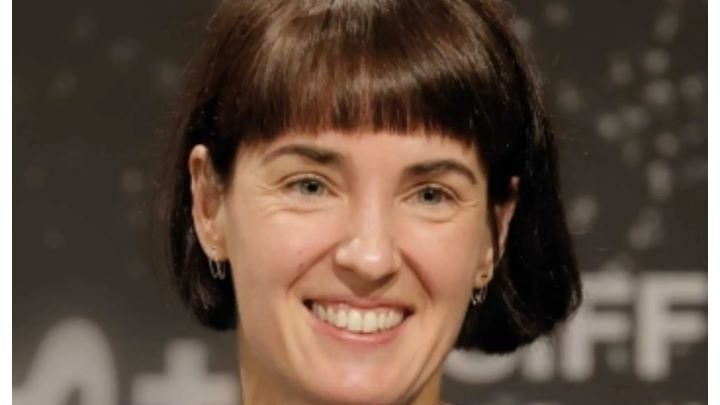
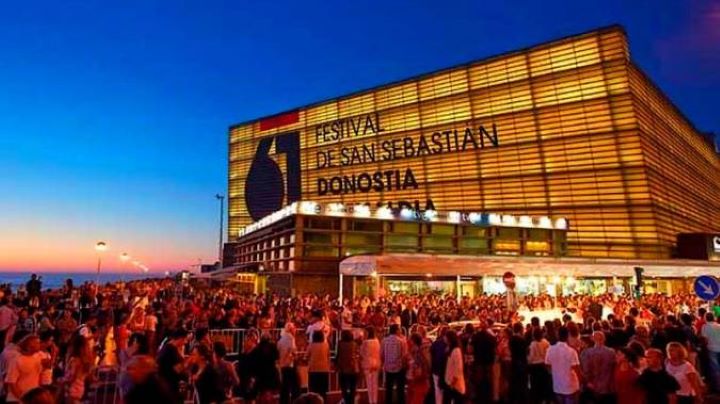
Maialen Beloki has been appointed as the new director of the San Sebastián Film Festival, succeeding José Luis Rebordinos, who has led the event for several years. The transition will take place when Rebordinos retires at the end of this year, and Beloki will officially take office in January 2027. The new era of the festival Since 2016, Beloki has served as the deputy director of the festival, which has allowed her to accumulate valuable experience in managing one of the most prestigious film events in Europe. Her trajectory within the festival has been […]
Maialen Beloki has been appointed as the new director of the San Sebastián Film Festival, succeeding José Luis Rebordinos, who has led the event for several years. The transition will take place when Rebordinos retires at the end of this year, and Beloki will officially take office in January 2027.
The new era of the festival
Since 2016, Beloki has served as the deputy director of the festival, which has allowed her to accumulate valuable experience in managing one of the most prestigious film events in Europe. Her trajectory within the festival has been recognized for her commitment and innovative approach, which have contributed to the growth and relevance of the event in the international film landscape.
Beloki has expressed his enthusiasm for taking on the new challenge and has stated his desire to continue strengthening the identity of the festival, while attracting a more diverse audience and opening spaces for new voices in the film industry. His appointment reflects a commitment to the continuity and evolution of the festival, while seeking to maintain its position as a key showcase for contemporary cinema.
The San Sebastián Film Festival, which will take place in its next edition in September, is undergoing a period of significant changes. The arrival of Beloki as director highlights the importance of including women in leadership positions within the film industry, a topic that has gained relevance in recent years. With her experience and vision, Maialen Beloki is seen as a figure capable of taking the festival to new heights, adapting to contemporary challenges and new trends in global cinema.
In a context where information overload seems to dilute the memory of films, the acclaimed work of director Sean Baker, Anora, now arrives on home screens thanks to its availability on the streaming platform SkyShowtime. Previously, the Oscar-winning film was only available for rent. A story about the search for a better life, Anora tells the story of Annie, a dancer and sex worker who, in her quest for a better life, becomes involved in an unexpected relationship with the son of a Russian oligarch. This seemingly connection […]
In a context where information overload seems to dilute the memory of films, the acclaimed work of director Sean Baker, Anora now arrives on home screens thanks to its availability on the streaming platform SkyShowtime. Previously, the Oscar-winning film was only available for rent.
A story about the search for a better life
Anora tells the story of Annie, a dancer and sex worker who, in search of a better life, finds herself in an unexpected relationship with the son of a Russian oligarch. This seemingly idyllic connection takes a tumultuous turn when he proposes to her, unleashing a series of events that revolutionize her already precarious existence.
Sean Baker, known for his focus on marginalized characters, uses Anora to critique the illusion of the American dream. Throughout the film, he offers a sensitive and empathetic look at those who are often ignored in mainstream narratives, presenting them with dignity and a touch of humor. The work strikes a remarkable balance between romance, comedy, and social drama, preventing these conflicting elements from clashing and instead building an immersive and captivating experience.
As the story progresses, Baker transforms the structure of the traditional romantic comedy, taking us from a fairy tale vision to a deeper critique of the shadows that loom over those struggling to survive in a system that constantly reminds them of their place in society. Baker’s ability to balance these different tones and themes underscores his status as one of the most prominent independent filmmakers of the 21st century.
SkyShowtime is a streaming platform from which you can stream series, movies, and entertainment programs in video on demand (VOD) format. It is an ambitious project by SkyShowtime Limited, available in Spain and 20 other countries in the European Union and its area of influence, such as Norway or Bosnia and Herzegovina. SkyShowtime aims to carve out a niche in the market thanks to its very competitive prices. Thus, they will compete with services like Netflix or Disney +, two similar platforms that have increased their prices recently.
You could spend all of July and August jumping from pogo to pogo without stopping for a single day… even if it means seeing Gin for the fifteenth time.
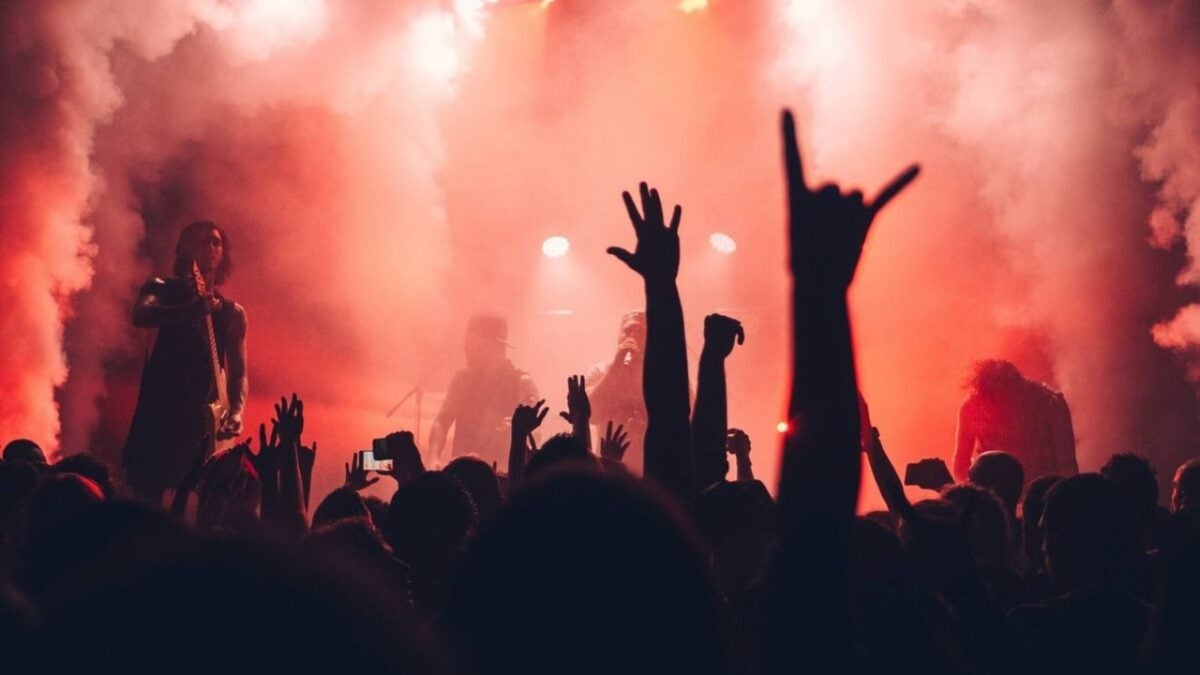
For a long time now, the word “summer” has become synonymous for many affluent individuals with music festivals. Benicassim, Madrid, Bilbao, Barcelona, Vilanova i la Geltrú, Alcalá de Henares, Santiago de Compostela, Palencia, Villarobledo… There is no city or town that wants to be without its festival. So much so, that you could spend the entire months of July and August jumping from mosh pit to mosh pit without having to take a single day off… even if that means seeing Ginebras for the fifteenth time.
It’s not that I don’t like Ginebras. On the contrary, they’re a fabulous group. The same goes for La Casa Azul, Sidonie, Amaia, Veintiuno, Ladilla Rusa, Lori Meyers, or Love of Lesbian. The problem is that attending a music festival is increasingly becoming equivalent to taking an Interrail trip: you pay relatively little, see many things, understand little of what happened, and repeat year after year, even though it will never be the same as the first time.
In fact, it’s like taking the same Interrail trip over and over again but making only small changes to the itinerary. The companies behind the mega-festivals know that the audience anticipates seeing Rufus or Florence + The Machine with more excitement than discovering a new band. And in the end, festivals become a Groundhog Day of fun: a lot of it, but always the same.
Not to mention the harm it does to smaller venues. Sure, you, who go to festivals, may also go to concert halls throughout the year to enjoy exclusive performances, savor two-hour concerts in an intimate setting, and support the artists. But the majority of people settle for the marathon, treating it like a Netflix series: twenty bands in a row, and the next week the same twenty, but in a different location. How many times can one listen to “Emborracharme” without getting bored or feeling like they’re experiencing the same concert over and over again?
This may be controversial, but festivals (whether it’s BBK, MadCool, or Primavera) somehow devalue music by offering it in bulk, as if it were a dump truck of notes and songs. Now it’s Amaral, then El Drogas, and twenty minutes later it’s Iván Ferreiro. Everything is presented without the capacity to be truly enjoyed or savored, with beers priced at fifteen euros and restrooms crowded with people praying not to be poisoned when they close the door. The audience is treated like cattle, a necessary nuisance for the organizers to make money.
Note: I’m not trying to turn anyone against festivals – who am I to do that? – but I would like for them to be viewed with a bit more critical thinking, more like a factory producing mass-produced sausages rather than promoters of the arts concerned about our well-being and the well-being of music. If the festival next door used a band that brought in more money, we’ll book them next year. And again, and vice versa. Music as a business rather than art, still enjoyable as ever, but much more sinister than it has ever been.