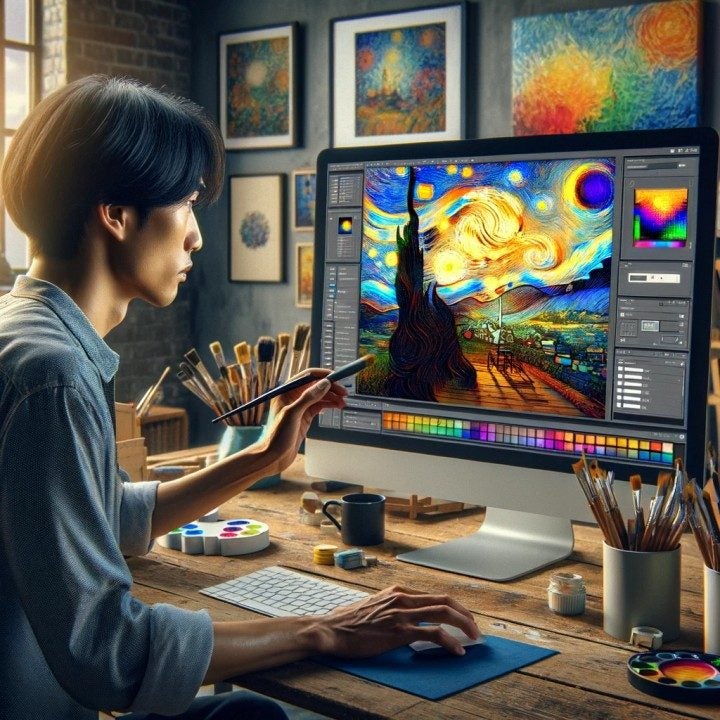
Consumers are increasingly adopting generative artificial intelligence (GenAI) as a common tool for seeking health information, considering it more effective than traditional search engines. This trend reflects a significant shift in how people access medical information, as many see AI as a convenient and personalized resource for discussing health topics that require specific questions and follow-up. Be very careful with AI and health However, the use of GenAI carries inherent risks. The irregular reliability of these tools increases the possibility of medical misinformation, […]
Consumers are increasingly adopting generative artificial intelligence (GenAI) as a common tool for seeking health information, considering it more effective than traditional search engines. This trend reflects a significant shift in the way people access medical information, as many see AI as a convenient and personalized resource for discussing health topics that require specific questions and follow-up.
Be very careful with AI and health
However, the use of GenAI carries inherent risks. The irregular reliability of these tools increases the possibility of medical misinformation, which can lead to wrong decisions and a false sense of security among users. A recent study indicates that up to 25% of doctors have noticed that the information provided by GenAI often conflicts with their own medical advice, adding an additional level of concern about its use.
In light of this situation, it is suggested that doctors ask their patients about their use of AI tools to search for health information during consultations. At the same time, medical organizations must position themselves as the primary source of medical guidance. It is crucial that these institutions provide online resources that explain how information generated by AI may be outdated, incomplete, or incorrect, with the aim of educating patients on the proper use of these technologies.
With AI positioning itself as the new Dr. Google, the challenge for healthcare professionals and marketers will be to respond to this new era of information searching, ensuring that patients have access to well-founded and quality medical advice.
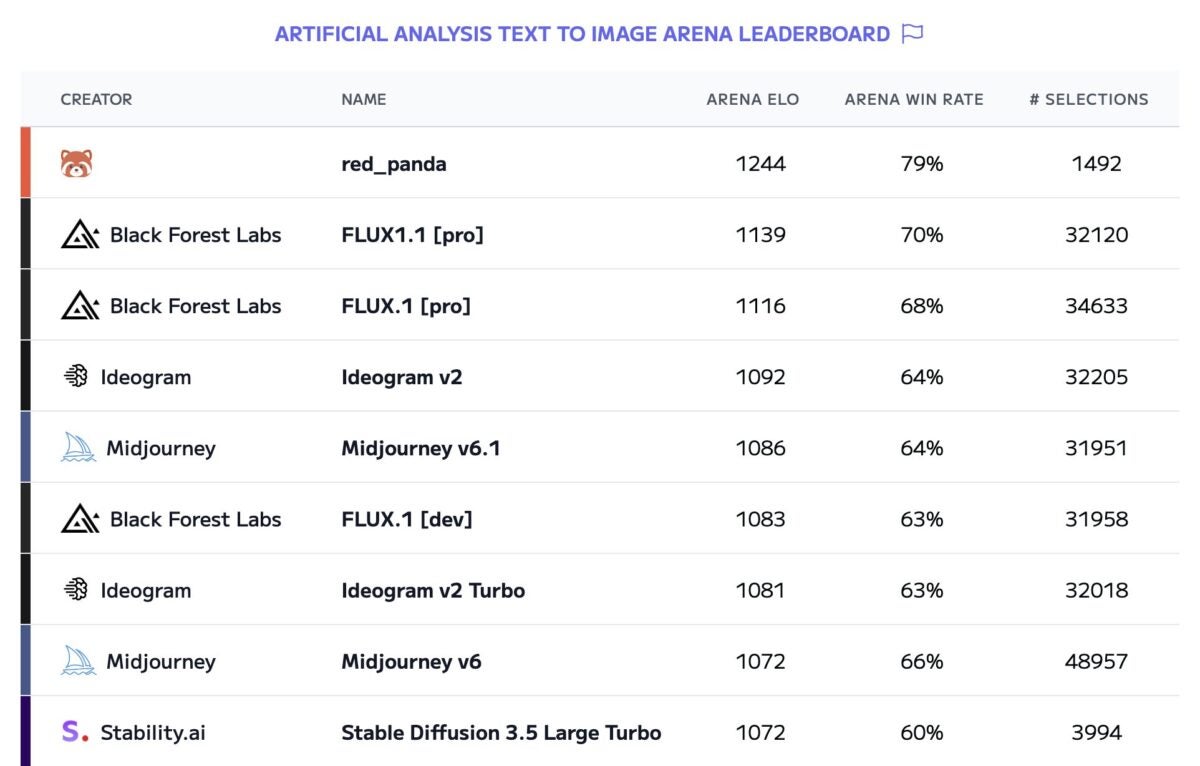
Red Panda, a mysterious image generator powered by artificial intelligence, surprised the tech world a few days ago by positioning itself as the leader in the Artificial Analysis platform rankings. It is now finally known that behind this name is the Recraft V3 model, an advanced tool for designers created by the company Recraft. Design professionals who want to test the capabilities of this model can now do so through a public access platform. Recraft V3 has climbed to the top spot in the text-to-image model rankings of Artificial Analysis, a platform […]
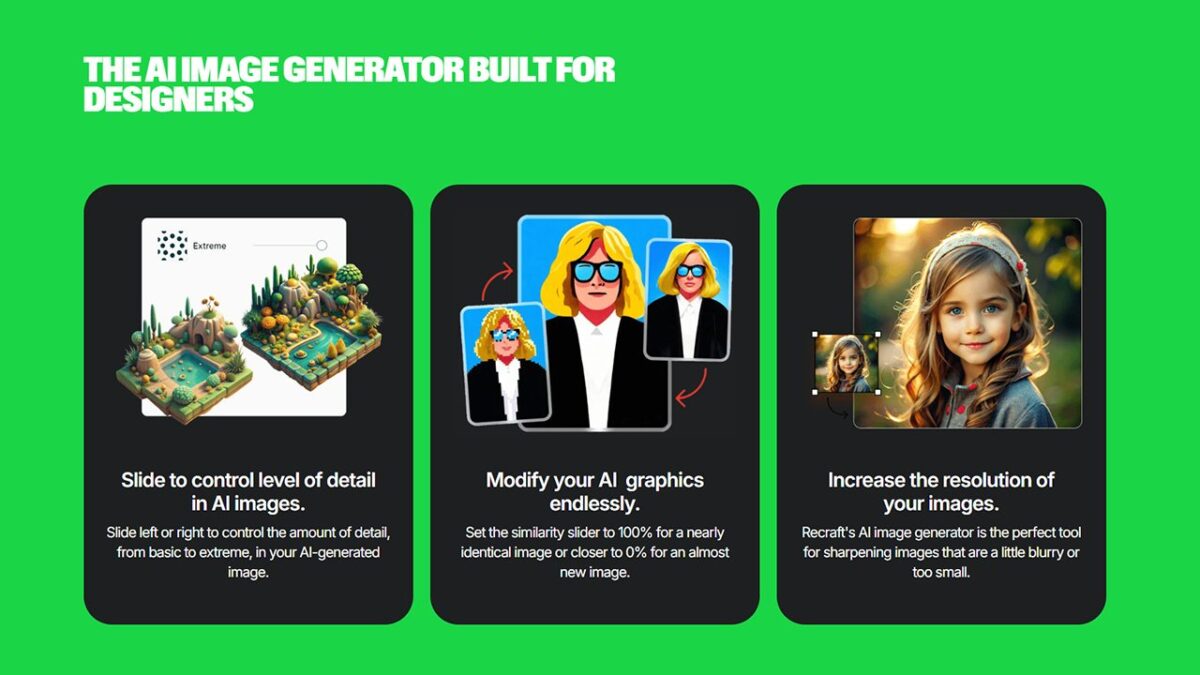
Red Panda, a mysterious image generator powered by artificial intelligence, surprised the tech world a few days ago by positioning itself as a leader in the Artificial Analysis platform ranking. Now, it is finally known that behind this name is the Recraft V3 model, an advanced tool for designers created by the company Recraft. Design professionals who want to test the capabilities of this model can now do so through a public access platform.
Subscribe to the Softonic newsletter and get the latest in tech, gaming, entertainment and deals right in your inbox.
Recraft V3 has climbed to the top spot in the text-to-image model rankings of Artificial Analysis, a research platform that allows users to choose between images generated by different models and rate which one they prefer. Thanks to this participatory evaluation, Recraft V3 has proven to be one of the most popular image generators, surpassing renowned competitors like FLUX1.1 from Black Forest Labs and Midjourney.
Recraft V3 allows generating images in multiple sizes and with extensive text, something that, according to the company, “distinguishes this model from the rest.” Very few AI generators can match this feature, which provides users with great versatility in their projects. The CEO of Recraft, Anna Veronika Dorogush, emphasized to TechRadar the importance of users achieving “the exact result they have in mind,” highlighting that Recraft’s goal is to give designers greater control over their work.
The Red Panda model, or Recraft V3, was tested for four days in the Artificial Analysis “arena” and quickly captured the interest of users, who appreciate its accuracy and flexibility. The platform crowned it as one of the favorites in the world of generative artificial intelligence, consolidating its position in the field of professional design.
Currently, Recraft V3 is available on the Recraft website, with different subscription plans ranging from the free option to premium options. Users can access all its features from the website or with the apps for iOS and Android.
Artificial intelligence has made huge strides in recent years, and one of the fields that has most captured users’ attention is image generation from text. Thanks to this technology, something that used to seem like science fiction is now a reality within anyone’s reach: you just have to write a sentence, like “a cat astronaut on Mars,” and the AI will instantly transform it into an image.
With image generation tools, the possibilities are endless, from creating unique visual concepts to generating detailed illustrations for creative projects. Obviously, these AI tools do not replace the work and knowledge of drawing and graphic design professionals, but they can be great allies if you don’t have skills in these fields.
In 2024, image-generation tools have reached impressive levels of sophistication and realism. But with so many options available, how do you know which one is the best? Here are the top four AI tools for generating images from text in 2024.
DALL-E 3 is the latest version of the popular OpenAI tool, the creators of ChatGPT. It stands out for its ability to generate high-quality and coherent images from detailed descriptions. This version has significantly improved the AI’s ability to understand and represent complex details in images, something that its predecessors already did remarkably well. For example, if you ask for an image of “a dragon flying over a futuristic city at sunset,” it will not only generate a generic dragon, but it will also capture the essence of the sunset and the futuristic architecture of the city, integrating them harmoniously.
OpenAI has been working intensively on improving the contextual understanding of language, allowing DALL-E 3 to interpret nuances in descriptions and reflect them in the final image. Additionally, this version offers higher resolution and more refined details, making it an essential tool for those seeking professional-quality results. Its ease of use, combined with the power of OpenAI technology, positions it as one of the best options in the market.
Midjourney, created by the company with the same name, has become a prominent name in the field of image generation. This tool is known for its ability to produce images with a unique, almost cinematic aesthetic, making it ideal for those seeking a more artistic and less literal style. Midjourney V6 focuses on delivering results that not only meet the textual description but also provide an additional creative touch with a style that often resembles digital artwork.
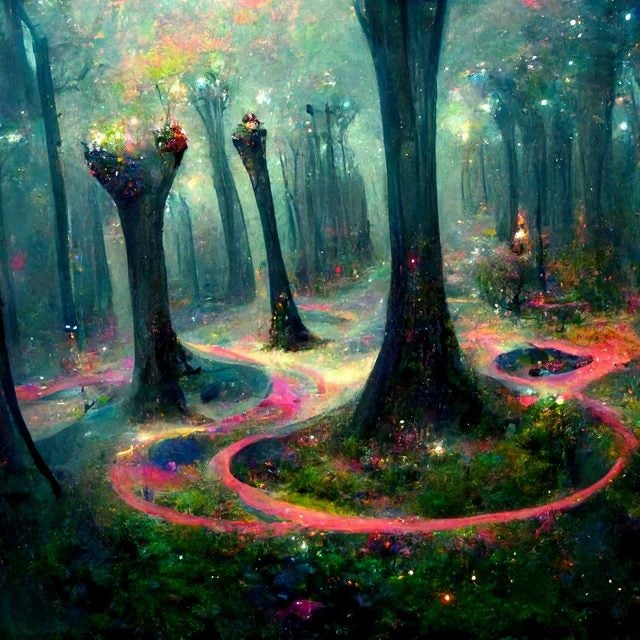
One of the most impressive features of Midjourney V6 is its ability to interpret vague or abstract descriptions. For example, if you ask for “a surreal dream in an enchanted forest,” Midjourney will not only generate an image of a forest but will also add dreamlike and surreal elements that capture the essence of what a dream could be.
Stable Diffusion has been one of the great revelations in the field of image generation from text, and its XL version takes this technology to a new level. What sets Stable Diffusion XL apart from other AI is its focus on stability (as its name suggests) and the coherence of the generated images. This tool, developed by LMU Munich and Runway, is handy for those who need consistent and high-quality images in large-scale projects, such as advertising campaigns or content creation for social media.
Stable Diffusion XL stands out for its ability to maintain coherence in complex and detailed elements. If you need to generate multiple images with a specific theme or style, this AI ensures that all of them maintain a high level of quality and a uniform aesthetic. This is especially useful for brands that need to maintain a consistent visual identity in their advertising materials. In addition, Stable Diffusion XL is highly customizable, allowing users to adjust parameters to obtain more specific results that align with their creative needs.
DeepArt (DeepArt UG)
DeepArt is a tool that is not as well-known as the previous ones it offers, but it provides surprising results, especially for those who want an artistic touch in their generated images. Created by DeepArt UG, this AI can convert textual descriptions into images that appear to have been painted by an artist, making it ideal for projects where a more pictorial or illustrative visual style is sought.
What sets DeepArt apart is its ability to interpret artistic style in image generation. If you ask for “a portrait in the style of Van Gogh of a city at sunset,” the AI will not only create an image that matches the description, but it will also apply a pictorial style similar to that of the famous painter, capturing the essence of his brushstrokes and use of color. It is a perfect tool for those seeking a more artistic and less literal approach to image generation from text, offering a final result that resembles more an artwork than a simple AI-generated image.




.png)