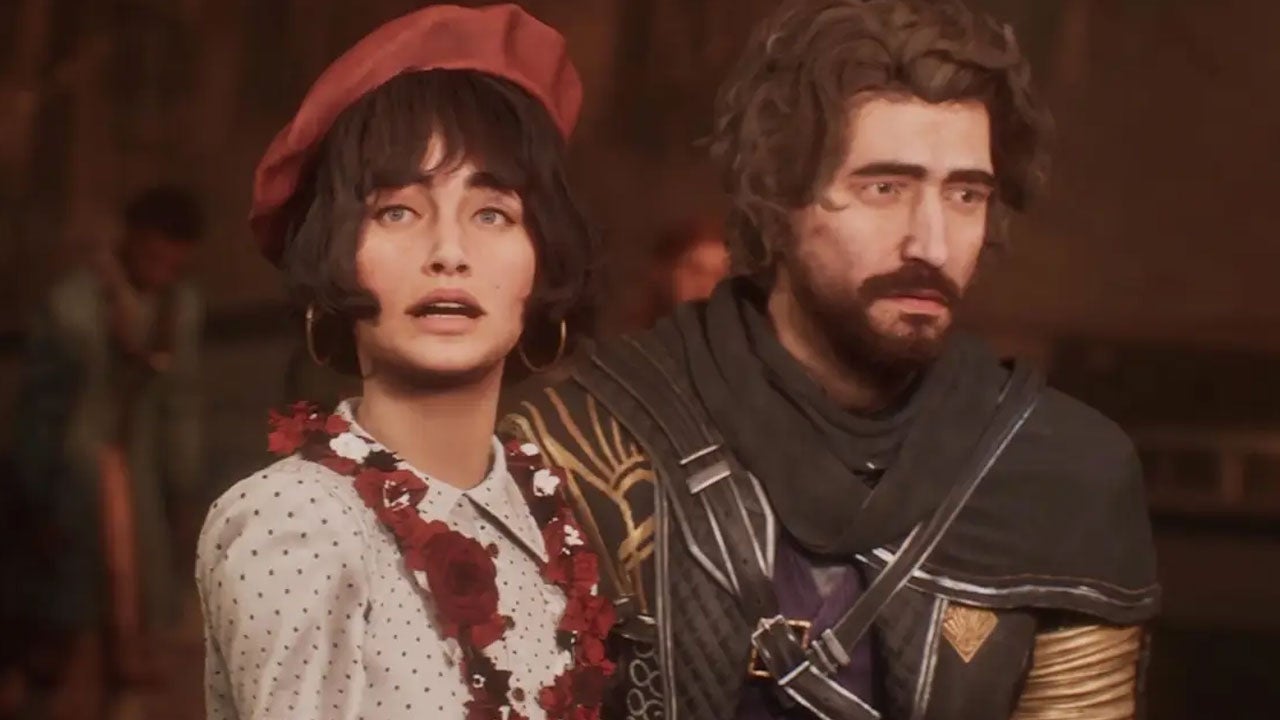
Clair Obscur: Expedition 33, the recent development by Sandfall Interactive, has become a benchmark in the JRPG genre in the Double A gaming scene. Directed by Guillaume Broche, the project is a tribute to classics from the golden age of Japanese role-playing games like Final Fantasy X, featuring a combat system reminiscent of the Dark Souls saga. Broche has defended the studio’s creative philosophy, which prioritizes enjoying the development process over conforming to player expectations: “It’s not about following processes, but about making a game that you want to play.”
The player is not that important
Jennifer Svedberg-Yen, the lead writer of the game, highlighted the collaborative nature of the development, where art, narrative, and music influenced each other. This approach has allowed for the creation of a cohesive world that reflects the team’s passion for the work. The influence of iconic titles on character design and the combat system underscores the team’s dedication to honoring their sources of inspiration while seeking to provide a unique and engaging experience for players.
Despite its initial success, the game faces a controversy that has marked its trajectory. Clair Obscur was disqualified from the Indie Game Awards just one day after being recognized as Game of the Year and Best Debut, due to the use of AI-generated images during its development. Although these elements were removed shortly after the release, the strict policy of the competition regarding the use of generative artificial intelligence invalidates its nomination. This situation highlights the challenges developers face in an ever-evolving environment with increasingly strict regulations.