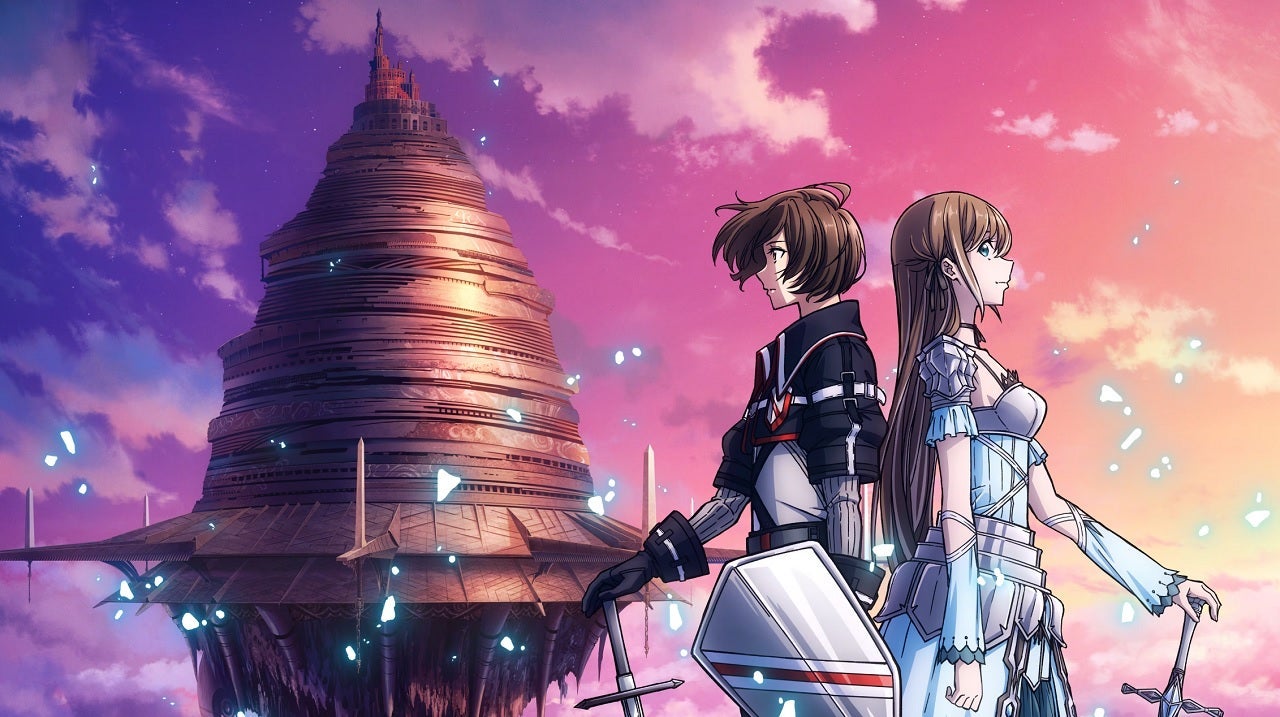
Bandai Namco has generated great anticipation among JRPG fans with the announcement of Echoes of Aincrad, a new title based on the popular Sword Art Online universe, developed by Game Studio Inc. Its release is scheduled for July 10 and will be available on PC, PS5, and Xbox Series. This new game promises to offer a fresh and exciting experience, allowing players to create their own protagonist with customized skills and equipment, which sets it apart from other titles in the franchise that have maintained predefined characters. If you die once, you will have to return to […]
Bandai Namco has generated great anticipation among JRPG fans with the announcement of Echoes of Aincrad, a new title based on the popular Sword Art Online universe, developed by Game Studio Inc. Its release is scheduled for July 10 and will be available on PC, PS5, and Xbox Series.
This new game promises to offer a fresh and exciting experience, allowing players to create their own protagonist with customized skills and equipment, which sets it apart from other titles in the franchise that have maintained predefined characters.
If you die once, you will have to start over from scratch
One of the highlights of Echoes of Aincrad is its challenging Death Game Mode, which introduces the permadeath mechanic. In this mode, players who suffer a defeat will have their character and save file deleted.
This mode will not be available from the start; it can only be unlocked after completing the main story or by purchasing the Ultimate Edition. With this decision, the developers align with the narrative of the original Sword Art Online, where death in the game has fatal consequences in real life.
Players will have three save slots; however, the hardest game mode can only be experienced through the second and third playthroughs, preventing the use of the first save file. This feature has sparked the interest of fans looking for a more intense and challenging experience, similar to Hardcore mode in other titles, such as Diablo.
In addition, the game will offer an enhanced main campaign filled with secrets and side activities, allowing players to explore the vast world of Aincrad in their own way. With its combination of creative freedom and exciting challenges, Echoes of Aincrad promises to become a new benchmark within the JRPG genre. The gaming community is eagerly awaiting July 10 to dive into this epic adventure.
When we think of Square Enix, we think of JRPGs. After years of Final Fantasy and Dragon Quest, with their greatest efforts dedicated to that particular genre, it’s normal for everything to be associated with that genre. But among their ranks, they have some renowned creators who have been involved in franchises from genres very different from JRPGs. For example, visual novels. And in particular, detective stories. Because the best detective game of the last five years, which you probably haven’t played, has received a sequel. And it is as interesting or more so than […]
When we think of Square Enix, we think of JRPGs. After years of Final Fantasy and Dragon Quest, with their greatest efforts dedicated to that particular genre, it’s normal for everything to be associated with that genre. But among their ranks, they have some renowned creators who have been involved in franchises from genres very different from JRPGs. For example, visual novels. And in particular, detective stories.
Because the best detective game of the last five years, which you probably haven’t played, has received a sequel. And it is as interesting, if not more so, than the original game. Its name is Paranormasight: The Mermaid’s Curse, but the story of these games is as interesting as the story of its creator, who, although unknown in the West, is quite an institution in Japan. Also among JRPG fans.
A Big Man in Japan
The creator of the game is Takanari Ishiyama, which may not mean anything to you, and that’s normal. Although he has been working in the video game industry since at least the era of the first PlayStation, his name is not one that has resonated in the same way as other famous names like Shigeru Miyamoto or Hideo Kojima. In fact, he started working for the latter at Konami.Working in the sound department, he was responsible for the editing, composition, and adjustments of the sound effects and voices of Metal Gear Solid, as well as handling the sound effects for two little-known games in the West by Kojima: the first two volumes of Tokimeki Memorial Drama Series. Two visual novels spinoffs of a famous dating sim from that era.
Although later he would also work on design tasks in the racing game franchise Tokyo Xtreme Racer, which is little known in the West but extremely popular in Japan, he would join Square Enix in 2005, where he would work on several major titles, as director and screenwriter, particularly for mobile platforms. Highlighting his work as director on Final Fantasy XII: Revenant Wing and Blood of Bahamut, for Nintendo DS, two of the most underrated games on the platform, he proved to be one of the most talented authors in the company. Even if he is also one of the least known.
But before that, Ishiyama had already gained significant fame. At least, in terms of Japan. Because three years prior, he had started a franchise of seventeen installments that was a massive success on mobile. And it attracted a new audience to video games.
The man who made mystery great
Ishiyama published in 2002 for mobile phones Tantei Kibukawa Ryōsuke Jikentan Vol. 1: Kamen Gensō Satsujin Jiken, which we could loosely translate as The story of the case of detective Ryosuke Kibukawa: the masked fantasy murder. This would be the first installment of the Ryosuke Kibukawa detective series, where an employee of a video game company dies while playing the RPG of a rival company. Having to discover how much of the claim that the video game is cursed is real and how much is, in fact, that someone had motives to murder him.
Being a tremendous success, especially among the young female audience, what I would highlight about the series Tantei Kibukawa Ryōsuke Jikentan is that it adds a unique twist to classic detective stories. All of them address social issues, have some kind of occult twist, and place a great emphasis on discovering how much truth there is in the esoteric part and how much in the crime.
Unfortunately, if you want to play any of the seventeen titles of Tantei Kibukawa Ryōsuke Jikentan, you will need to know Japanese. Although they are easily available on Steam at an excellent price thanks to the company G-MODE, they have never been officially or unofficially translated into any other language besides Japanese. But what we do have are the games that, inspired by Tantei Kibukawa Ryōsuke Jikentan, with a much larger budget and, to be honest, even less publicity, Ishiyama has made for Square Enix: Paranormasight.
Published in March 2023 on Switch, PC, and mobile platforms, Paranormasight: The Seven Mysteries of Honjo offers us a most intriguing premise: in the Sumida district of Tokyo, a group of people is trying to unveil the Seven Mysteries of Honjo, a series of urban legends that seem to be behind a ritual that would allow them to resurrect the dead. Soon we will discover that all of this is true and that each of the mysteries is associated with a curse that can kill a human being if the right conditions are met, and that this is necessary to accumulate enough souls to bring someone back to life. Always for a price.
Our role here is that of a detective and facilitator. By putting ourselves in the shoes of each character in the story, being able to travel back in time and changing the order and the events themselves, we must ensure that they achieve their goals and do not reach dead ends, all while uncovering the secrets behind the mysterious disappearances and deaths surrounding each of them.
The game captivated both critics and audiences, both in Japan and the West. Even though it was in Japan where it stood out the most. Winning the Excellence Award at the 2023 Japan Game Awards, it was only a matter of time before Square Enix allowed Ishiyama to make a sequel. And it seems that the time has come.
Named Paranormasight: The Mermaid’s Curse, the structure is the same and our purpose has not changed. But now instead of being in a rural neighborhood of Tokyo, we are on the island of Kameshima, in the most remote part of Japan. Suffering from different curses among themselves, our goal will be to uncover the truth behind the secret of the Ise mermaids. And while those who have been able to play it have loved it, with even greater critical enthusiasm than its original release, you won’t have to wait to try it: the game comes out on February 19, 2026. As of the publication date of this article. And without needing to play Paranormasight: The Seven Mysteries of Honjo, although we recommend you do so anyway, what’s stopping you from diving into that incredible mystery?
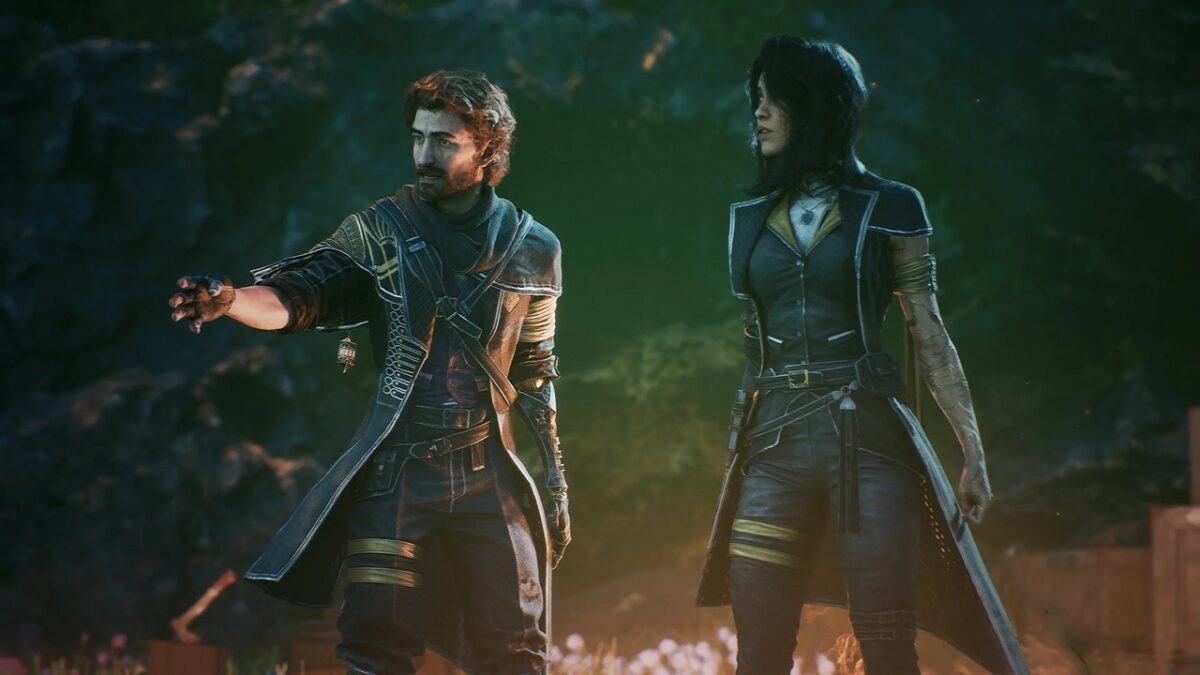
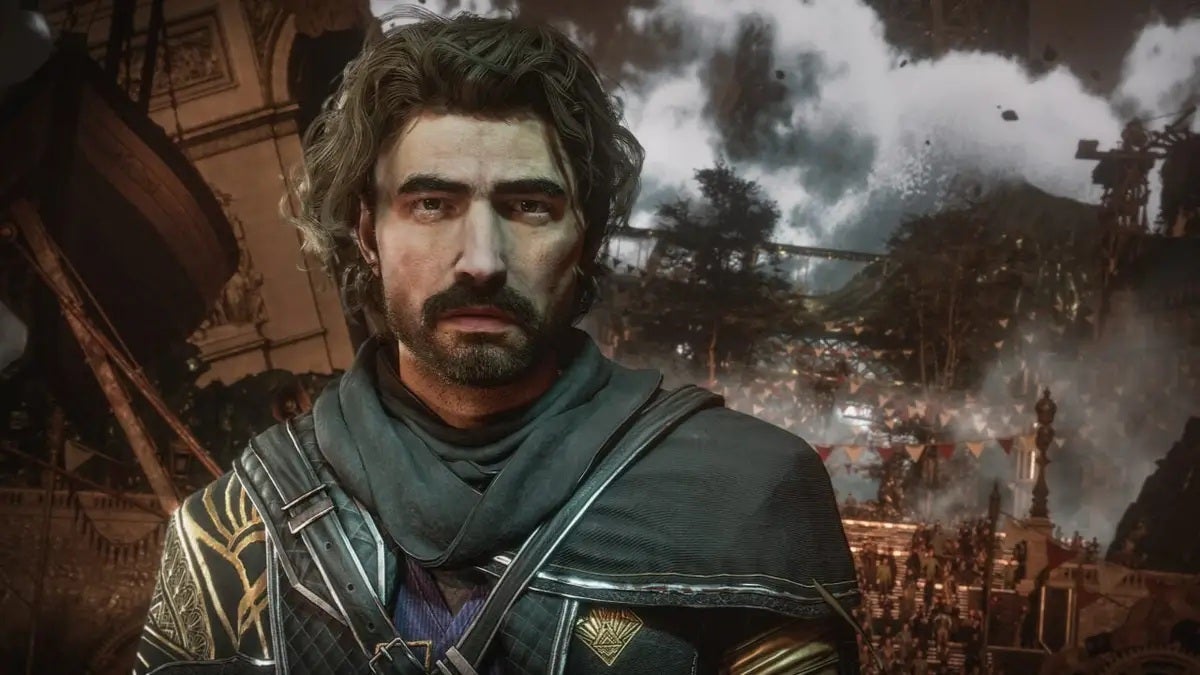
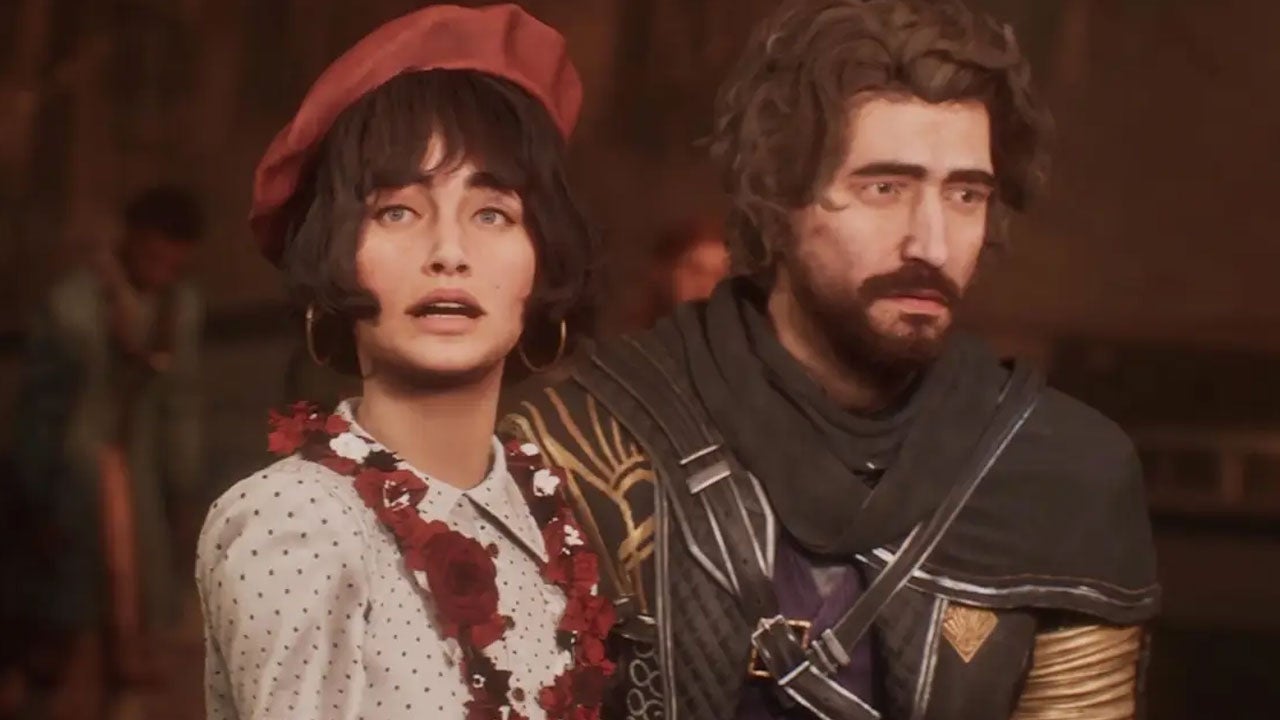
The director of Clair Obscur, Guillaume Broche, has recently acknowledged that the title Expedition 33 might be too easy for some players, especially in the final boss fight. During a conversation with Edge magazine, Broche explained that many players chose to complete side content before facing the climax of the game, which led to a combat experience that was less challenging than the team had anticipated. A game inspired by the classics, for better or worse The structure of Expedition 33 is inspired by classic RPGs from the PS2 era, such as Final Fantasy 10, […]
The director of Clair Obscur, Guillaume Broche, has recently acknowledged that the title Expedition 33 might be too easy for some players, especially in the final boss fight. During a conversation with Edge magazine, Broche explained that many players chose to complete side content before facing the climax of the game, which led to a combat experience that was less challenging than the team had anticipated.
A game inspired by the classics, also for the bad
The structure of Expedition 33 is inspired by classic RPGs from the PS2 era, such as Final Fantasy 10, where players have the freedom to either advance directly to the final boss or dedicate themselves to exploring additional content. Broche admitted that, while the intention was to allow those focused on the narrative to jump from the end of Act Two directly to the end of the game, it resulted in many players completely surpassing the recommended difficulty levels.
Since the last update, players have discovered ways to inflict extremely high damage, which has impacted the gaming experience. Some users have begun to raise their damage statistics to astronomical figures, reaching tens of billions, something that Broche considers a success in terms of game design. “If you go back and look at Final Fantasy 10, you can take downthe final boss in one hit if you’re overpowered,” Broche explained, personalizing the reflection with his own experiences in the genre.
Before the launch, the Sandfall team had modest expectations, betting that Expedition 33 would score around 80 on Metacritic. Despite the challenges in the difficulty of the final combat, Broche and his team feel satisfied with the overall results and their approach to RPGs in the gameplay formula.
The recent controversy surrounding the video game Expedition 33 has sparked a broad debate about the use of artificial intelligence in the video game development industry. Sandfall Interactive, the developer behind the successful JRPG, admitted to having used generative AI technology to create some temporary textures, which were removed five days after the game’s release. This decision triggered the revocation of the ‘Game of the Year’ award at the Indie Game Awards, which has generated significant reactions in the developer community. A criticism that will not sit well among fans Chris Seavor, former developer at Rare, […]
The recent controversy surrounding the video game Expedition 33 has sparked a broad debate about the use of artificial intelligence in the video game development industry. Sandfall Interactive, the developer behind the successful JRPG, admitted to having used generative AI technology to create some temporary textures, which were removed five days after the game’s release. This decision triggered the revocation of the ‘Game of the Year’ award at the Indie Game Awards, which has generated significant reactions in the developer community.
A criticism that will not sit well with fans
Chris Seavor, former developer at Rare, expressed his discontent on Bluesky, suggesting that using AI in this way shows a lack of effort on the part of developers. “Don’t be lazy and pay for your work,” emphasized Seavor, although he also admitted that the use of AI in development may be more common than one might think. For her part, independent developer PeachyAenne highlighted the importance of unity within the community when addressing these critical issues.
The controversy has also highlighted a division in the community regarding the use of AI. Daniel Vávra, writer of Kingdom Come: Deliverance 2, defended the implementation of AI, arguing that it can facilitate the creation of high-quality games with smaller teams, similar to the work dynamics of past eras. However, other developers, including former members of teams behind titles like Baldur’s Gate 3, criticized the lack of transparency from some companies, insisting on the need to respect the work of employees.
This debate highlights the complexity of integrating artificial intelligence into creative processes and raises questions about ethics in video game production, as the industry continues to evolve constantly.
Clair Obscur: Expedition 33, the recent development by Sandfall Interactive, has become a benchmark of the JRPG genre in the Double A gaming scene. Directed by Guillaume Broche, the project is a tribute to classics from the golden age of Japanese role-playing games like Final Fantasy X, with a combat system reminiscent of the Dark Souls saga. Broche has defended the studio’s creative philosophy, which prioritizes enjoying the development process over conforming to player expectations: “It’s not about following processes, but about making a game that you want […]
Clair Obscur: Expedition 33, the recent development by Sandfall Interactive, has become a benchmark in the JRPG genre in the Double A gaming scene. Directed by Guillaume Broche, the project is a tribute to classics from the golden age of Japanese role-playing games like Final Fantasy X, featuring a combat system reminiscent of the Dark Souls saga. Broche has defended the studio’s creative philosophy, which prioritizes enjoying the development process over conforming to player expectations: “It’s not about following processes, but about making a game that you want to play.”
The player is not that important
Jennifer Svedberg-Yen, the lead writer of the game, highlighted the collaborative nature of the development, where art, narrative, and music influenced each other. This approach has allowed for the creation of a cohesive world that reflects the team’s passion for the work. The influence of iconic titles on character design and the combat system underscores the team’s dedication to honoring their sources of inspiration while seeking to provide a unique and engaging experience for players.
Despite its initial success, the game faces a controversy that has marked its trajectory. Clair Obscur was disqualified from the Indie Game Awards just one day after being recognized as Game of the Year and Best Debut, due to the use of AI-generated images during its development. Although these elements were removed shortly after the release, the strict policy of the competition regarding the use of generative artificial intelligence invalidates its nomination. This situation highlights the challenges developers face in an ever-evolving environment with increasingly strict regulations.
Today marks 30 years since the release of Tales of Phantasia, a game that not only revolutionized the RPG genre but also laid the groundwork for one of the most enduring and successful franchises in the medium. Developed by Wolf Team, the title was originally released on the Super Famicom during a period considered the “golden age” of RPGs, alongside classics like Chrono Trigger and Final Fantasy VI. An absolute rarity that marked an era. Over the last three decades, Tales of Phantasia has been acclaimed for its innovative Linear Motion Battle System, which […]
Today marks the 30th anniversary of the release of Tales of Phantasia, a game that not only revolutionized the RPG genre but also laid the groundwork for one of the most enduring and successful franchises in the medium. Developed by Wolf Team, the title was originally released on the Super Famicom during a period considered the “golden age” of RPGs, alongside classics like Chrono Trigger and Final Fantasy VI.
An absolute rarity that marked an era
Over the last three decades, Tales of Phantasia has been acclaimed for its innovative Linear Motion Battle System, which introduced real-time combat, breaking away from the traditional turn-based combat structures of the time. This system allowed players to execute combos of unique arts, giving each character their own fighting style. This approach has influenced dozens of sequels and spin-offs within the franchise, as well as other titles like Star Ocean.
Despite a narrative that starts off simply, the story becomes darker and more complex as it progresses, trapping players in a world full of conflict and deep characters. From the beginning, Cress Albane, the protagonist, faces personal tragedies that transform him and lead him to question his family legacy. This focus on complex characters and their individual development is complemented by the Skit system, which offers optional conversations that enrich the narrative experience.
The striking duality between the colorful appearance of the game and its dark narrative has left an indelible mark on the RPG genre. As time goes by, Tales of Phantasia remains a pillar in the evolution of video games, demonstrating that a title can age gracefully and remain relevant. Undoubtedly, its legacy lives on in every new installment of the Tales saga.
Capcom has presented a report highlighting its financial growth, showing 12 years of increase in operating profit and 40 years of steady expansion in the video game industry. In a context where competition is fierce, the Japanese company emphasizes the need to expand its production to remain competitive, citing the franchises Mega Man, Devil May Cry, and Ace Attorney as high-value properties that should receive new releases, remakes, and adaptations to new platforms. 12 years of success for the Japanese company In statements from Capcom’s COO, Haruhiro Tsujimoto, the goal is emphasized […]
Capcom has presented a report highlighting its financial growth, showing 12 years of increase in operating profit and 40 years of steady expansion in the video game industry. In a context where competition is fierce, the Japanese company emphasizes the need to expand its production to remain competitive, citing the franchises Mega Man, Devil May Cry, and Ace Attorney as high-value properties that should receive new releases, remakes, and adaptations to new platforms.
12 years of success for the Japanese company
In statements from Capcom’s COO, Haruhiro Tsujimoto, the goal of improving the user base and performance through strengthening “brand power” and fan loyalty is emphasized. Tsujimoto notes that “Capcom has a wealth of popular brands globally” and aims to expand this follower base by introducing new titles and updated versions of its most beloved franchises.
Although these IP lines are not inactive, their release frequency does not compare to that of their most successful titles, such as Monster Hunter and Resident Evil. Recently, Capcom has released some Ace Attorney games and Mega Man spin-offs in retro collections, but the general perception is that a consistent pace has not been maintained to meet fan expectations. This situation may change positively, as there is optimism about the return to popularity of grid-based JRPGs, which could herald a new era for these series.
In summary, although the report is presented in a financial and formal tone, the news of new releases and the renewed interest in its classic franchises is a reason for hope for fans. Capcom followers could find themselves in an exciting period if the company’s intentions translate into concrete results.
The Splatterhouse video game series, known for its gothic horror approach, has taken an unexpected turn with the discovery of a playable ROM of an unreleased title: Splatterhouse: World. Originally scheduled for release in 1993 for the Famicom, this dark JRPG was finally presented to the public in October 2023, placing special emphasis on its rarity within the genre. A particularly unique spinoff This title, which combines JRPG mechanics with terrifying elements, sparks the interest of fans due to the scarcity of horror-themed role-playing games at that time, being Capcom’s […]
The Splatterhouse video game series, known for its gothic horror approach, has taken an unexpected turn with the discovery of a playable ROM of an unreleased title: Splatterhouse: World. Originally scheduled for release in 1993 for the Famicom, this dark JRPG was finally presented to the public in October 2023, placing special emphasis on its rarity within the genre.
A very particular spinoff
This title, which combines JRPG mechanics with terrifying elements, piques the interest of fans due to the scarcity of horror-themed role-playing games at that time, with Capcom’s Sweet Home being one of the few notable examples. The story behind Splatterhouse: World is intriguing, as a promotional video that circulated among retailers in 1992 indicated that the game was very close to its official release, but it was canceled for reasons still unknown.
The release of the ROM on October 31 was a turning point for fans, who quickly mobilized to translate the game into English. This task was carried out by the Aeon Genesis group, allowing non-Japanese players to now enjoy this piece of video game history. The translation, completed in record time after the release of the ROM, has generated a stir in the Splatterhouse fan community.
Despite the fact that the series has fallen somewhat into obscurity, its legacy remains alive thanks to a small but dedicated community of fans. These enthusiasts not only value the game’s story, but also strive to revive the franchise as much as possible. It tells a context in which Splatterhouse: World, despite its unknown trajectory, has found a way into modern life.
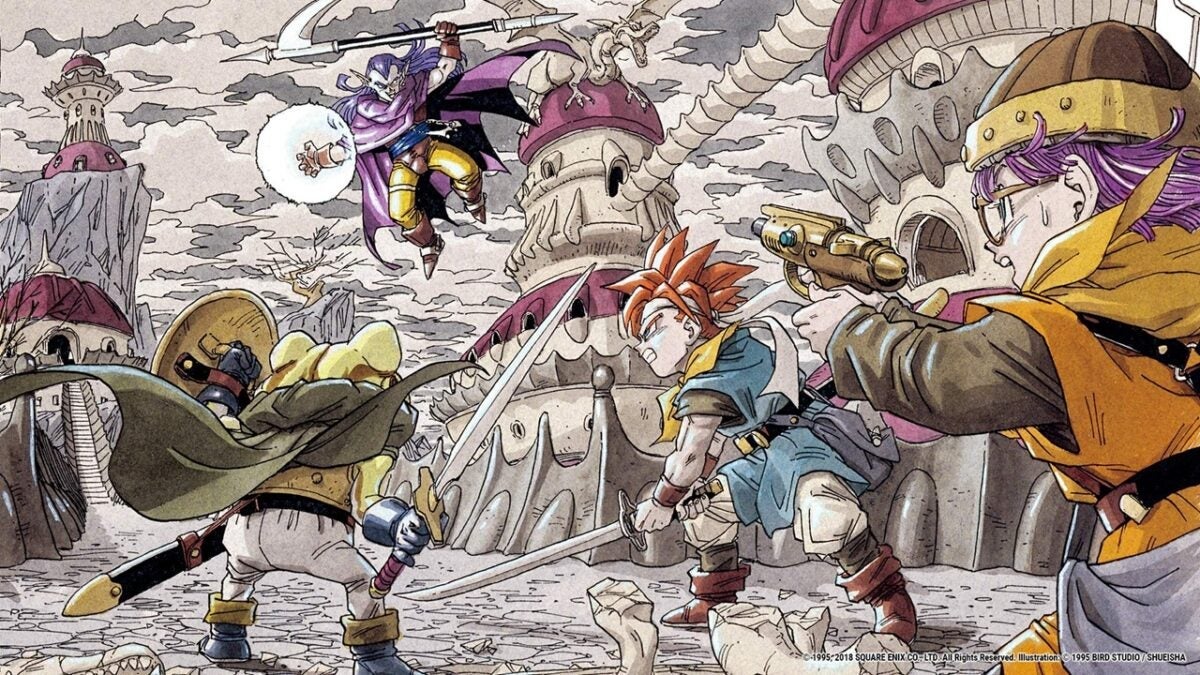
Brandon Adler, director of The Outer Worlds 2, has firmly stated that Chrono Trigger is the best JRPG ever made, generating a consensus among fans of the genre. During a recent appearance on Simon Parkin’s My Perfect Console podcast, Adler not only praised the artistic quality and emotional impact of the game but also claimed that “there is no comparison.” This SNES classic has maintained a prominent position on lists of the best JRPGs, surpassing heavyweights like Final Fantasy 7 and Earthbound. A great JRPG rightly valued One of the highlights he mentioned […]
Brandon Adler, director of The Outer Worlds 2, has firmly stated that Chrono Trigger is the best JRPG ever made, generating a consensus among fans of the genre. During a recent appearance on Simon Parkin’s My Perfect Console podcast, Adler not only praised the artistic quality and emotional impact of the game, but also claimed that “there is no comparison”. This SNES classic has maintained a prominent position on lists of the best JRPGs, surpassing heavyweights like Final Fantasy 7 and Earthbound.
A great JRPG rightly valued
One of the highlights that Adler mentioned was the exceptional pace of the game. “It’s one of the few JRPGs where you don’t have to grind,” Adler pointed out, who considers this a defining feature of the game that often goes unnoticed. Even if it is not exactly a rarity or an exception in the genre.
Adler also highlighted the innovative combo mechanics, which offered a new experience in terms of game design and immersion, allowing characters to interact in ways never seen before. “I felt like I was experiencing a new level of game design,” he reflected. Although he considers himself a big fan of JRPGs, he admits that his relationship with titles like Dragon Quest is one of love/hate, mainly due to the “grinding” elements they involve.
Finally, the director of The Outer Worlds 2 emphasizes that, although his intention is not for his games to be “preachers,” the capitalist satire of his RPG touches on relevant and universal themes, reflecting realities that repeat in our current society. “We see this happening over and over again in a constant cycle,” concluded Adler, highlighting the importance of addressing these themes in video games.
The Dragon Quest and Final Fantasy franchises, fundamental pillars of the JRPG genre, have maintained a relationship of competition and comparison over the years. In a recent interview, Yuji Horii, creator of Dragon Quest, shared his vision on the narrative differences that characterize both sagas, highlighting how their design has influenced the player’s experience. Emphasis on narrative or immersion Horii pointed out that in Final Fantasy, characters have voice and personality, allowing them to build their own identities. Protagonists like Cloud from Final Fantasy VII or Tidus from Final Fantasy X […]
The Dragon Quest and Final Fantasy franchises, fundamental pillars of the JRPG genre, have maintained a relationship of competition and comparison over the years. In a recent interview, Yuji Horii, creator of Dragon Quest, shared his vision on the narrative differences that characterize both sagas, highlighting how their design has influenced the player experience.
Emphasis on narrative or immersion
Horii pointed out that in Final Fantasy, characters have voice and personality, which allows them to build their own identities. Protagonists like Cloud from Final Fantasy VII or Tidus from Final Fantasy X are examples of heroes who guide the narrative through their emotions and dialogues. This approach, while rich in narrative content, presents a marked contrast with the approach of Dragon Quest, where the protagonist remains silent, allowing the player to identify with the character. For Horii, this silence does not imply a lack of depth, but rather is a deliberate resource for the player to identify with the main character.
This divergence in design philosophies reflects two distinct ways of telling stories within the world of Japanese role-playing: silent immersion versus guided narrative. Both formulas have proven to be successful and have greatly contributed to the development of the genre, inspiring new generations of developers and players.
Horii also emphasizes that this historical rivalry is not negative, but rather represents a creative diversity that enriches the landscape of Japanese role-playing games. By observing how both sagas have evolved with remakes and new releases, their reflection remains alive in the hearts of players, who today can choose to become the silent hero of Dragon Quest or accompany the protagonists of Final Fantasy in their emotional stories.