
Researchers find anxiety lurking in your inbox, to no one’s surprise

Source: Getty Images/ PhotoAlto

Is checking email late into the night making you tense, affecting your relationships, and generally screwing with your life?

Then you may well be suffering from technostress, a threat to our well being that is finally being taken seriously by researchers.

The condition isn’t helped by managers who expect that we will always be ready to reply to late-night or weekend messages.

Some bosses have realized that far worse than existential despair and suicidal depression, this also makes us drones less productive, and so they’ve started banning out of hours emails.

French workers have even won the right to disconnect, allowing them to insist on email-free evenings and weekends. And a lot of us are asking when the rest of the world will follow suit.
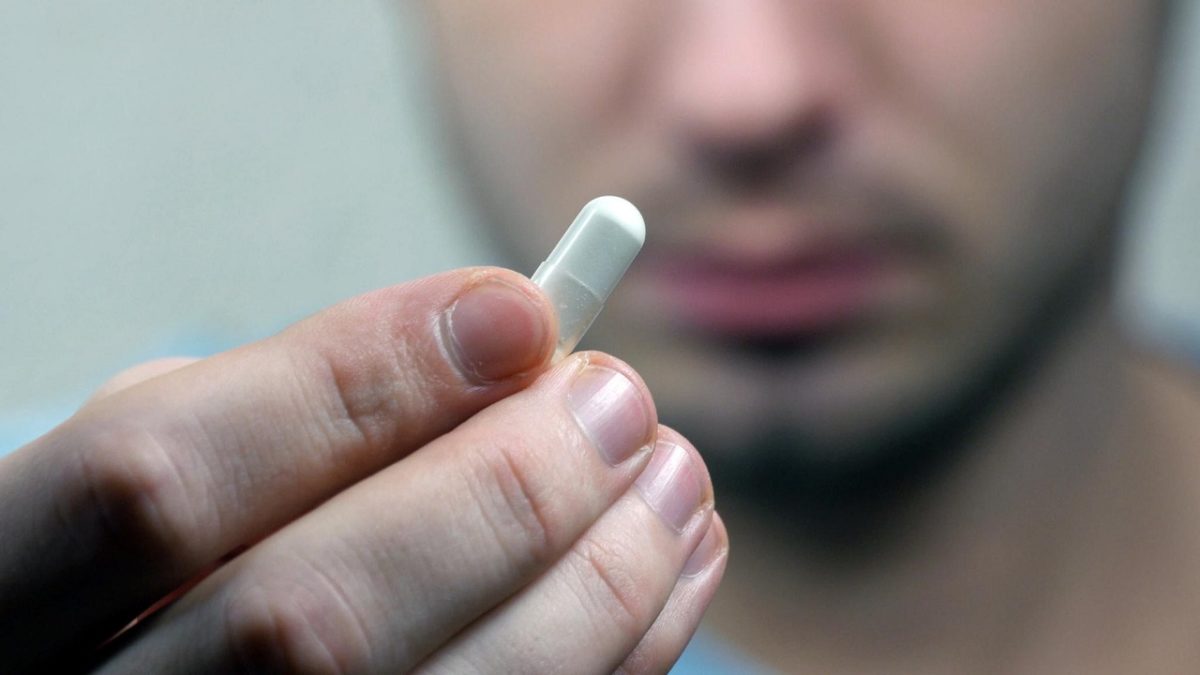

Swallow this to track your farts

Scientists and medics are increasingly using sensors and probes you swallow to find out more about what goes on – and goes wrong – under the hood.

Pressure readings, acidity, and medication activity can already be monitored, so it was only a matter of time before a gadget was invented that monitors your thunder down under.

Yes, swallow this vitamin pill-sized gizmo and it will travel down the Hersey Highway to record your gut gas. (Or, in adult terms, the capsule gathers readings on oxygen, hydrogen and carbon dioxide in your alimentary canal.)

The idea is to see how different diets can affect your level of internal windiness – and its health implications. But we’re just glad it gives us the opportunity to write about bottom burps.

Whereas some gases are polluting the planet, scientists have come up with a vitamin pill-sized gizmo to monitor ours. Curious to see what’s going on down under?

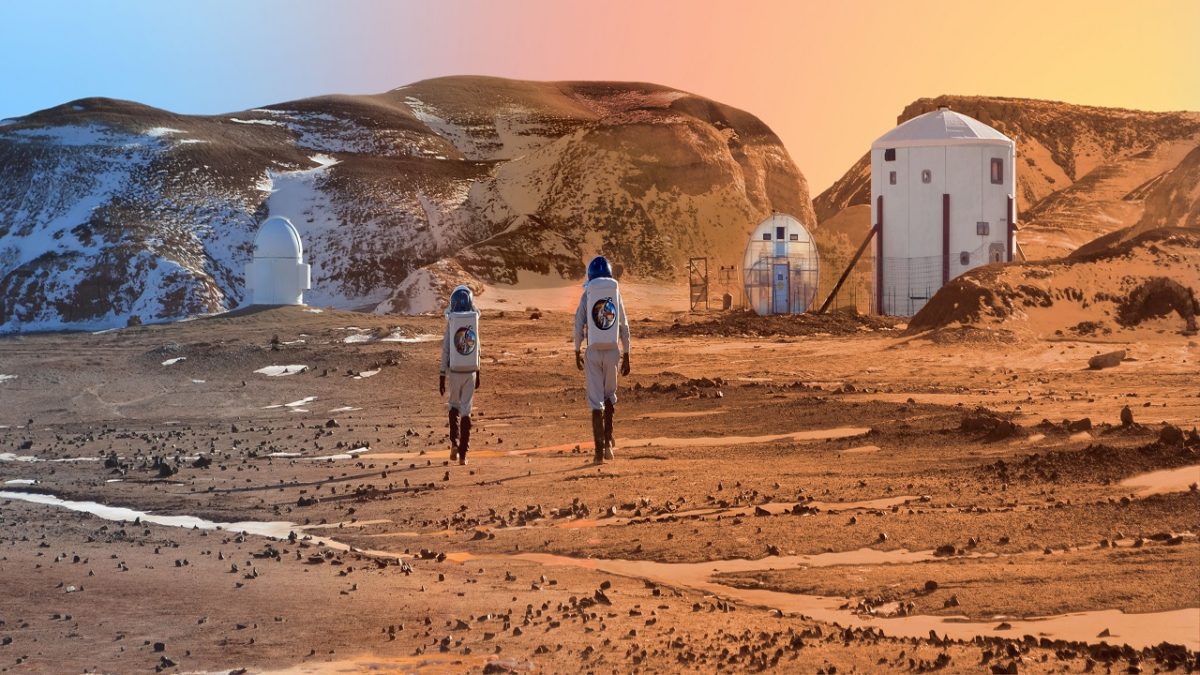
Exposed ice could lead to life on Mars

We’ve known that Mars has water for a while now, but it was all thought to be underground. Now it looks like there is water near the surface, too, making the red planet a little more hospitable.

In fact, scientists who spotted the near-surface ice sheets from pictures taken by NASA’s Mars Reconnaissance Orbiter say it’s a “game-changer” for both exploration and colonization. In theory, you could go out with a bucket and spade and take what you needed – rather than blasting water-bearing rocks.

So far, eight sites have been discovered – and even better, they’re mostly in the warmer parts of the planet. Now all we have to do is get there and figure out what to eat.

It looks like Mars is turning into a (little bit) more hospitable planet. Not only there is water, but we could take what we need just by spading the surface.