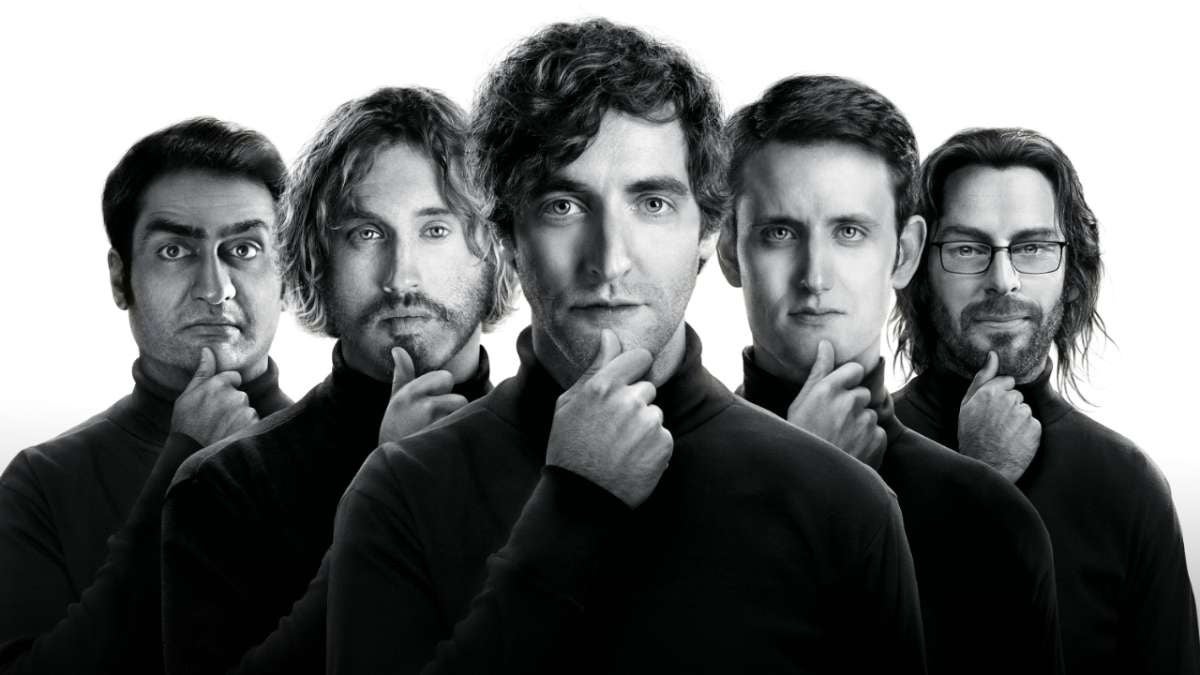
The series Silicon Valley, acclaimed as one of HBO’s standout comedies, served as a preview of the current state of the tech industry. Premiering in 2014 and concluding in 2019, the show depicted an era marked by the tech gold rush and raised valuable reflections on an ecosystem obsessed with growth. Through a group of programmers and their misadventures trying to launch a startup, the series revealed that while talent is abundant, maturity in the sector is scarce.
Silicon Valley is an appropriate name for the series
Despite having concluded more than five years ago, Silicon Valley has seen a resurgence of its relevance in 2026, coinciding with a climate of increasing scrutiny towards large tech companies and debates about power and responsibility. Topics such as monopolies and ethics in technology have led the series to resurface in cultural conversations, becoming almost a mirror of the current issues in the industry.
One of the most notable aspects of Silicon Valley is its ability to present a glamorless portrait of tech figures, showcasing their insecurities and questionable convictions. This representation resonates particularly at a time when figures like Elon Musk and Bill Gates are the subject of public analysis and debate. The series avoids glorifying these icons, focusing on their more human and erratic facets, which complements the climate of distrust that exists today towards technology.
The sarcastic humor of the show not only makes it accessible but also allows for the exploration of complex concepts, such as technological paternalism, in an understandable way. Silicon Valley thus serves as an emotional entry point for those looking to understand the complex world of technology without falling into technical jargon, reflecting the ambitions, fears, and decisions of characters that evoke real figures from the industry.