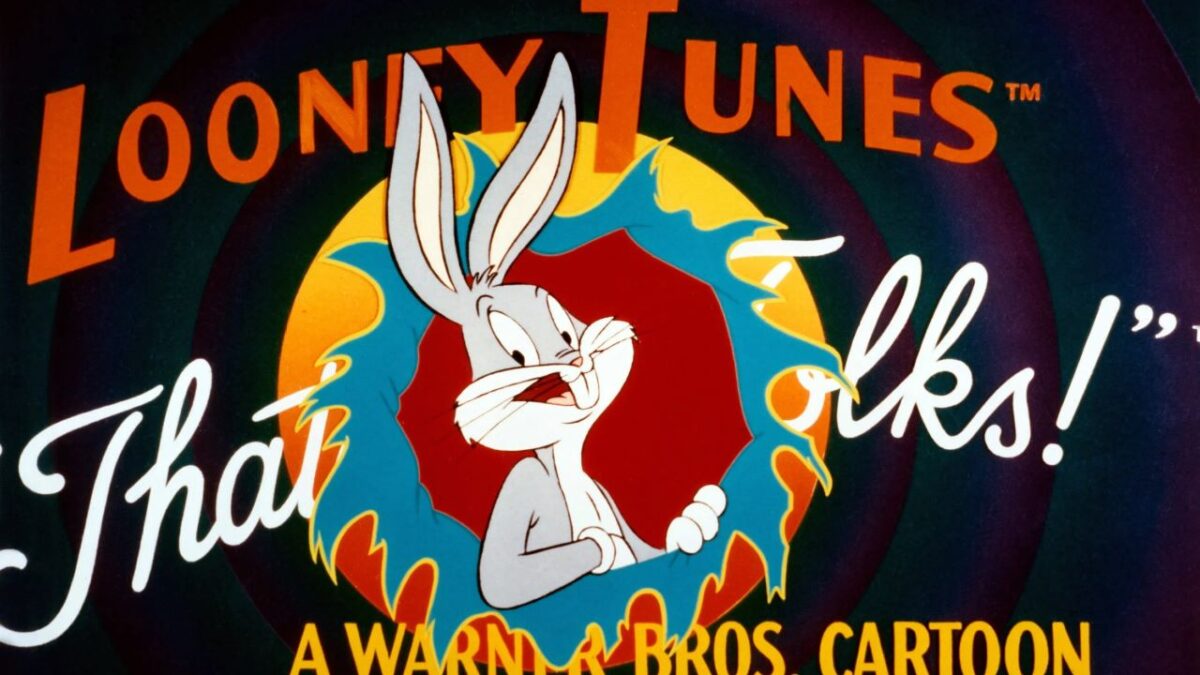
This animated movie has just arrived on Movistar+ and its protagonists are some old acquaintances

The iconic Looney Tunes are making a triumphant return through traditional animation in the new movie titled The Day the Earth Exploded. Initially produced by Warner Bros, this project was shelved, but found a second chance thanks to a smaller distributor, now premiering on the streaming platform Movistar+. The usual ones The plot follows Porky and Daffy, who face an alien threat seeking to dominate the minds of Earth. These characters, who grew up together on a farm, have maintained their inseparable friendship despite economic hardships and ostracism […]

The iconic Looney Tunes are making a triumphant return through a traditional animation in the new movie titled The Day the Earth Exploded. Initially produced by Warner Bros, this project was shelved, but found a second chance thanks to a smaller distributor, now premiering on the streaming platform Movistar+.

The usuals

The plot follows Porky and Lucas, who face an alien threat seeking to dominate the minds of Earth. These characters, who grew up together on a farm, have maintained their inseparable friendship despite economic hardships and social ostracism. As the story unfolds, both become the last hope for the salvation of the planet.

The movie pays homage to the classic elements of 1950s science fiction, but without the typical political connotations of the era. This combination allows for a lighter and more fun approach, something that will resonate with both new audiences and lifelong fans of the characters. The animation is reminiscent of the old days, moving away from CGI and hybrids, allowing the distinctive slapstick essence of the Looney Tunes to shine in comedic moments, such as those where Porky and Daffy try to hold down a job.

Additionally, the film incorporates relevant social themes, such as job insecurity and the difficulty of accessing housing, which modernizes the characters and gives them new depth in a contemporary context. This promising approach suggests that the potential of the Looney Tunes is still far from being exhausted, offering an entertaining experience that could mark the beginning of a new era for these beloved characters.


Max removes the classic Looney Tunes shorts from its catalog

The original Looney Tunes animated shorts, which were aired from 1930 to 1969 during the famous golden age of animation, have been removed from the Max platform, owned by Warner Bros. Discovery. This removal has been confirmed by a Max representative, who indicated that this content is no longer available on the streaming service and, evidently, this decision has not pleased animation fans, who see these shorts as a significant reference. A whole icon disappears The decision to remove the iconic shorts is part of a new strategic plan that Max is […]

The original Looney Tunes animated shorts, which aired from 1930 to 1969 during the famous golden age of animation, have been removed from the Max platform, owned by Warner Bros. Discovery. This removal has been confirmed by a representative of Max, who indicated that this content is no longer available on the streaming service and, evidently, this decision has not pleased animation fans, who see these shorts as a significant reference.

A whole icon disappears

The decision to remove the iconic shorts is part of a new strategic plan that Max is implementing, which prioritizes certain types of content within its catalog. This approach seems to align with a broader trend in the entertainment industry, where streaming platforms are adjusting their inventories to optimize their offerings and attract their target audience more effectively.

The Looney Tunes shorts, which have been an integral part of popular culture and animation history, have left an indelible mark for decades. Characters like Bugs Bunny, Daffy Duck, and Porky Pig have become internationally recognized icons. However, their removal raises questions about the preservation of the medium’s history and the availability of classics in the face of competition in the streaming world.

As Max adapts to new realities in the digital content market, rumors arise that other classics could follow the same fate. The way streaming services prioritize new and original content over other more classic and less contemporary content may have significant implications for future generations of viewers and for the preservation of animation history.