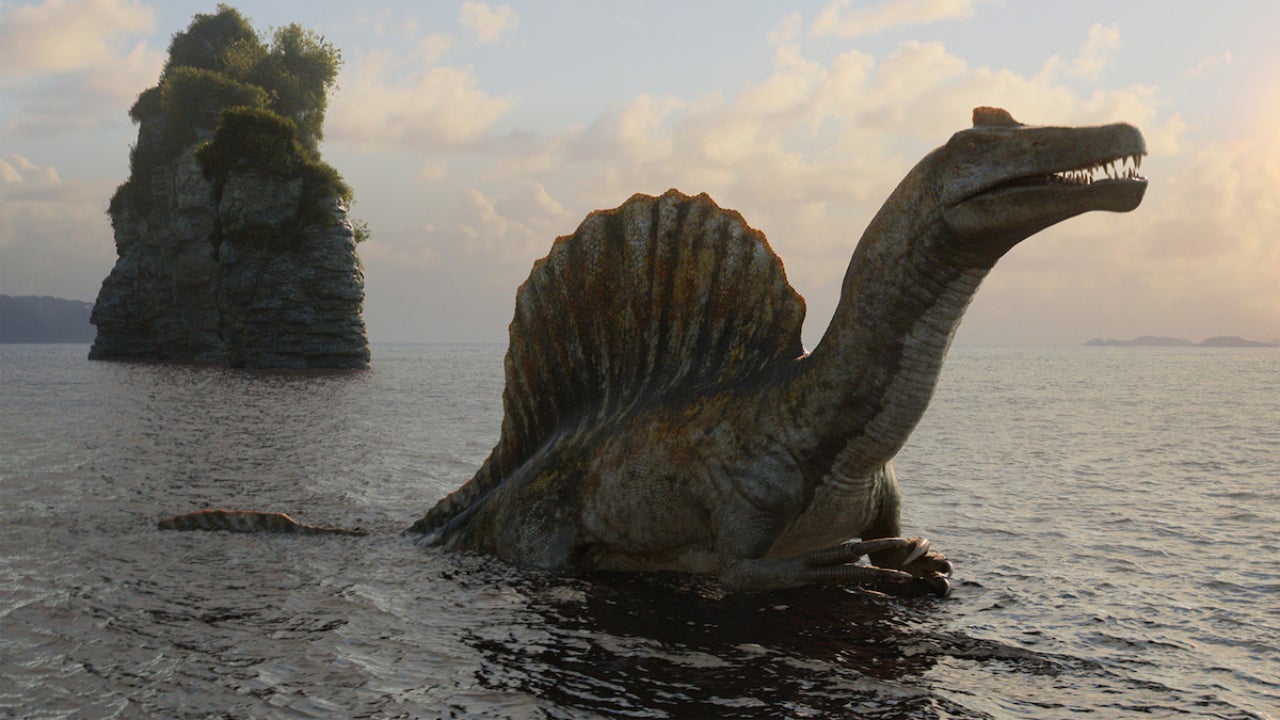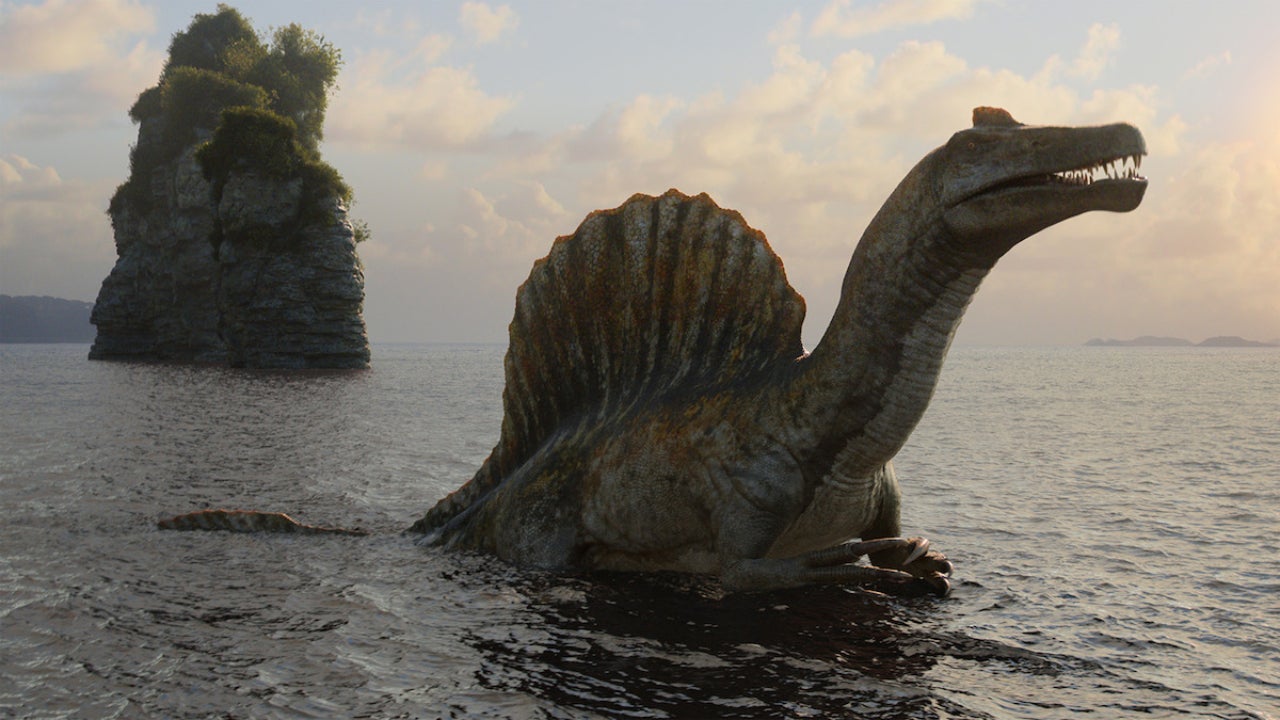
The new documentary series by Steven Spielberg, The Dinosaurs, is capturing attention not only for its impressive production but also for its uncommon scientific rigor in this type of representation.
Unlike what has been seen in the Jurassic Park franchise, the series presents a grassless environment, an aspect that may seem careless, but actually reflects the true era in which these animals lived.
Those people are wrong
The landscapes shown in The Dinosaurs mainly include land and lush trees, which corresponds to recent paleobotanical research. Until just 20 years ago, no grass fossils dating back more than 113 million years had been discovered, much later than the extinction of the dinosaurs, which occurred 65 million years ago.
This finding underscores that, in the age of dinosaurs, the vast fields covered with grass, which are common today, simply did not exist.
In this context, trees, shrubs, and bare land become the protagonists of the landscape during the Mesozoic. Spielberg, with his faithful representation of the landscape, establishes a direct connection between the narrative of the series and paleobotany, leading the audience to a deeper understanding of the prehistoric world. This decision is not only a visual success but also raises a reflection on how dinosaurs are taught and perceived in popular culture.
The technical and conscious aspects of The Dinosaurs contrast with the usual need to frame the story in a more commercial aesthetic, providing a lesson in natural history that is both entertaining and educational.
Therefore, with The Dinosaurs, Spielberg not only seeks to amaze audiences but also to educate them about the reality of a world that existed millions of years ago.