AppleTV+ has one of the series of the year, or at least that’s what they seem to think, because they have decided to greenlight a second season shortly after the premiere of its first season. We are talking about The Curse of Widow’s Bay, a series that has gone unnoticed by many people, but that after its premiere on April 29 has managed to gain quite a few followers for one very simple reason: its unique blend of comedy and horror. A very touristy island The series, created by Katie Dippold, takes place on an island in New England where, in the town of Widow’s […]
AppleTV+ has one of the series of the year, or at least that’s what they seem to think, because they have decided to greenlight a second season shortly after the premiere of its first season. We are talking about The Curse of Widow’s Bay, a series that has gone unnoticed by many people, but that after its premiere on April 29 has managed to gain quite a few followers for one very simple reason: its unique blend of comedy and horror.
A very touristy island
The series, created by Katie Dippold, takes place on an island in New England where, in the town of Widow’s Bay, there is a resurgence thanks to the efforts of its mayor to turn it into an attractive tourist destination. What’s the problem? The other residents of the island believe that the island is cursed and, in general, do not want tourists on their island, so they will ensure that this idea spreads throughout the town and beyond by any means necessary.
With this unique purpose, this first season has created a perfect balance between comedy and horror by making the residents of Widow’s Bay… less than ideal. Something that will continue in the second season, as according to its creator, “the second season will be about how everything is great on the island and there is nothing to worry about”. Something that was to be expected seeing how that is exactly what has been happening so far in the first season.
Because the first season hasn’t even finished yet. It will conclude next Wednesday, June 17, and with a 97% approval rating on Rotten Tomatoes, it is the most celebrated series of the season. So if you’re looking for a series right now and you enjoy horror or comedy, you have the perfect series to get hooked on here, because if anything is being demonstrated by AppleTV+, it is that it is the new home of prestige series.
After critics hated Super Mario Galaxy and Michael completely going against a devoted audience, it has become fashionable to look down on the critic’s craft and say a loud “What do they know,” as if a bad review somehow said something positive about your movie. And, of course, even works that haven’t had bad results have wanted to jump on the trend of complaining like beaten dogs, crossing their fingers and hoping that the sovereign public will go to the movies to discover it for themselves. Finish them! This is the case of Mortal Kombat […]
After critics hated Super Mario Galaxy and Michael completely went against a devoted audience, it has become fashionable to look down on the craft of criticism and say a loud “What do they know?”, as if a bad review somehow reflects positively on your movie. And, of course, even works that haven’t had bad results have wanted to jump on the trend of complaining like beaten dogs, crossing their fingers and hoping that the sovereign public will go to the cinema to discover it for themselves.
Finish them!
It is the case of Mortal Kombat II, which has premiered on Rotten Tomatoes with a significantly better score than the original movie: if the original reached a 55% approval rating, this sequel stands at a decent 69%. Better than expected, in fact, especially considering that this year there is no mercy for silly blockbusters. However, its producer, Todd Garner, has decided to play the victim card.
“Some of these criticisms are making me laugh my ass off. It’s clear they haven’t played the game and have no idea what the fans want or ANY of the rules or the canon of Mortal Kombat. One critic was angry because a guy ‘had a laser eye.’ Why the hell are we allowing people who have no love for the genre to critique these movies?“, he said on X in response to the support of some fans… and just as many telling him there are more positive opinions than negative ones.
Garner was forced to respond that he was only referring to a couple of specific quotes he had read, but it was already more than enough to expand the narrative of “Us against them.” A ridiculous narrative, of course: after all, you can’t send a specific critic of each genre to watch only the movies they like. That’s what the profession is about: watching what you like and what you don’t, what you understand and what you don’t quite get, as the only way to have your own identity. Come on, there’s no need to cry just because someone doesn’t like your movie, Garner.
Netflix has released its major cinematic premiere for the first half of 2026, titled Dominant Predator, a survival thriller that has captured the audience’s attention, reaching the number one spot in 86 countries. The plot follows a climber, played by Charlize Theron, who seeks adventure in a National Park in Australia, only to face the threat of a sadistic hunter after a series of mysterious disappearances. An intense survival thriller The cast also includes Taron Egerton, known for his role in Hand Luggage, and both actors have already proven their success in previous Netflix projects, […]
Netflix has released its major film premiere for the first half of 2026, titled Dominant Predator, a survival thriller that has captured the audience’s attention, reaching the number one spot in 86 countries. The plot follows a climber, played by Charlize Theron,who seeks adventure in a National Park in Australia, only to face the threat of a sadistic hunter after a series of mysterious disappearances.
An intense survival thriller
The cast also includes Taron Egerton, known for his role in Hand Luggage, and both actors have already proven their success in previous Netflix projects, which has raised expectations around this film. Directed by Baltasar Kormákur, known for his ability to create thrillers, such as Everest, Dominant Predator focuses almost exclusively on the interaction between Theron and Egerton, with supporting characters that are anecdotal.
Despite the public’s support, the reviews have been mixed. The film has a 66% positive rating on Rotten Tomatoes, but its score drops to 6.2 on IMDb and further reduces to 2.71 on Letterboxd, reflecting a more favorable critical reception than that of the general audience. Many critics highlight that, although the first 45 minutes establish a solid emotional foundation and create an intriguing atmosphere, the subsequent development falls short in comparison, limiting the overall potential of the work.
Theron and Egerton’s performances have been praised, and although Kormákur provides solid work behind the camera, the film has ended up as an intense yet disappointing pastime in its conclusion. As the plot progresses towards its climax, the resolution seems to fall short of expectations, leaving viewers with a sense of dissatisfaction regarding what could have been a memorable thriller.
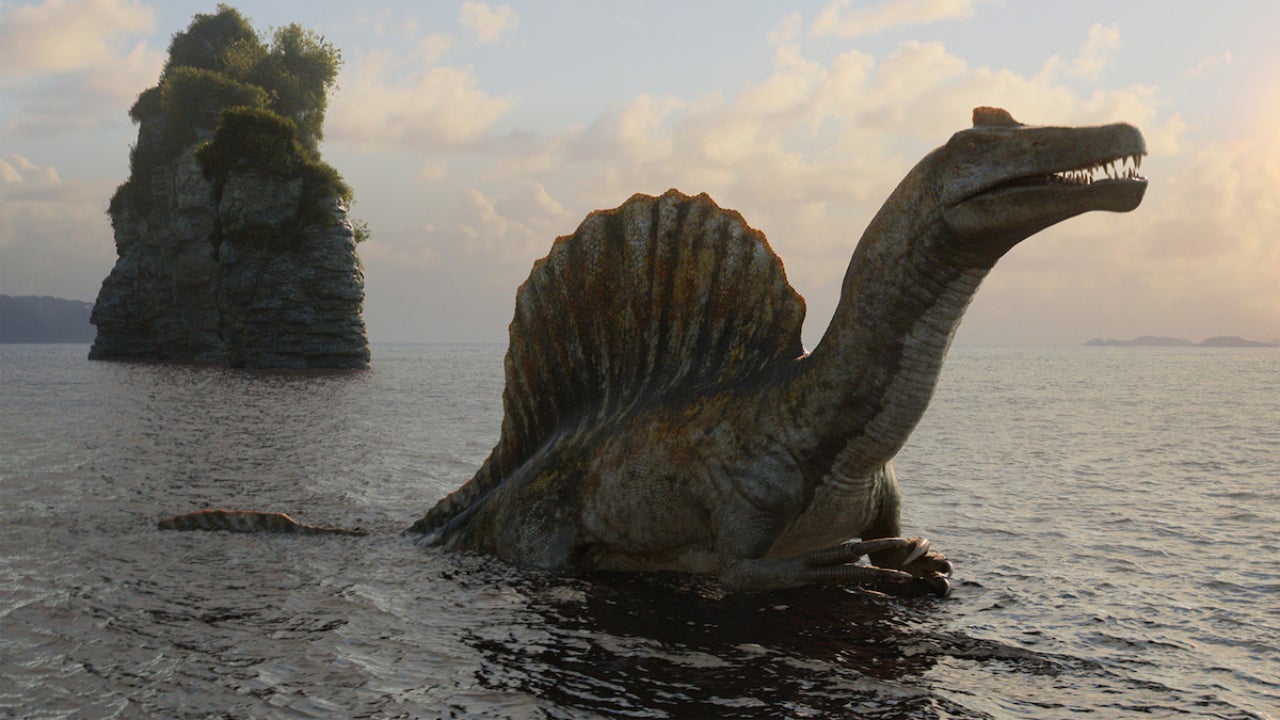
The new Netflix docuseries, The Dinosaurs, has achieved monumental success since its premiere on March 6, becoming number 1 in 57 countries just hours after its launch. With a perfect score of 100% on Rotten Tomatoes, the series has made clear the great interest of the public, which had already shown enthusiasm after the trailer’s release. A series with documentary purposes Created by Dan Tapster and with Steven Spielberg as producer, The Dinosaurs not only capitalizes on the nostalgia generated by its famous Jurassic Park, but also benefits from […]
With a perfect score of 100% on Rotten Tomatoes, the series has made it clear the great interest of the public, which had already shown enthusiasm after the trailer was released.
A series with documentary purposes
Created by Dan Tapster and with Steven Spielberg as producer, The Dinosaurs not only capitalizes on the nostalgia generated by his famous Jurassic Park, but also benefits from the influence and recognition of the filmmaker.
Although Spielberg is not the director of the series, his involvement has been crucial in attracting viewers’ attention, highlighting the connection between his work in the world of dinosaurs and this new proposal.
The docuseries is divided into four episodes that cover the history of dinosaurs from their appearance in the Triassic period to their abrupt extinction during the Cretaceous-Paleogene event, which occurred about 66 million years ago. This narrative offers a unique opportunity for viewers to discuss the fascinating evolution of these prehistoric creatures.
The renowned narrator Morgan Freeman adds a distinctive touch to the production, guiding the audience through the episodes with his unmistakable voice.This combination of educational content and Freeman’s masterful narrative style has undoubtedly contributed to the series’ appeal, which promises to maintain its popularity while continuing to captivate lovers of natural history and entertainment.
Daniel Radcliffe has taken a new turn in his career by joining the cast of the series The Fall and Rise of Reggie Dinkins, a comedy created by the renowned Tina Fey, Robert Carlock, and Sam Means. This project, which premiered in January of this year, has captured the attention of critics and viewers, achieving a perfect score on Rotten Tomatoes, and is currently ranked first in audience preferences in the United States. A series that has swept the critics The series tells the story of Reggie Dinkins, an American football player […]
This project, which premiered in January of this year, has captured the attention of critics and viewers, achieving a perfect score on Rotten Tomatoes, and is currently ranked first in audience preferences in the United States.
A series that has taken the critics by storm
The series tells the story of Reggie Dinkins, an American football player who, after falling from grace, decides to hire a filmmaker, played by Radcliffe, in the hope of improving his public image. So far, the first season has ten episodes and is airing weekly on NBC, keeping viewers on the edge of their seats until its conclusion in April.
Critics have praised the series’ ability to balance sharp satire and moments of genuine emotion. Tania Hussain from Collider noted that as the season progresses, The Fall and Rise of Reggie Dinkins establishes a confidence that allows it to play with jokes and delve deeper into its content.
The positive reception from the public and critics suggests that Radcliffe, who since finishing the Harry Potter saga in 2011 has chosen diverse and uncommon roles, has made a wise choice with this new project. Undoubtedly, the series could establish itself as one of the actor’s best works in recent years, while reinforcing his versatility and interpretative ability in the world of television comedy.
Netflix has announced the cancellation of two series in 2026, The Abandoned and The Vince Staples Show, in a move that comes after a series of production issues and low audience performance. This decision highlights the growing pressure on the platform to keep its series catalog attractive and profitable. Sons of Anarchy has not been able to fit in as much The Abandoned was an ambitious production created by Kurt Sutter, known for his work on Sons of Anarchy, and featured renowned actresses like Gillian Anderson and Lena Headey. However, […]
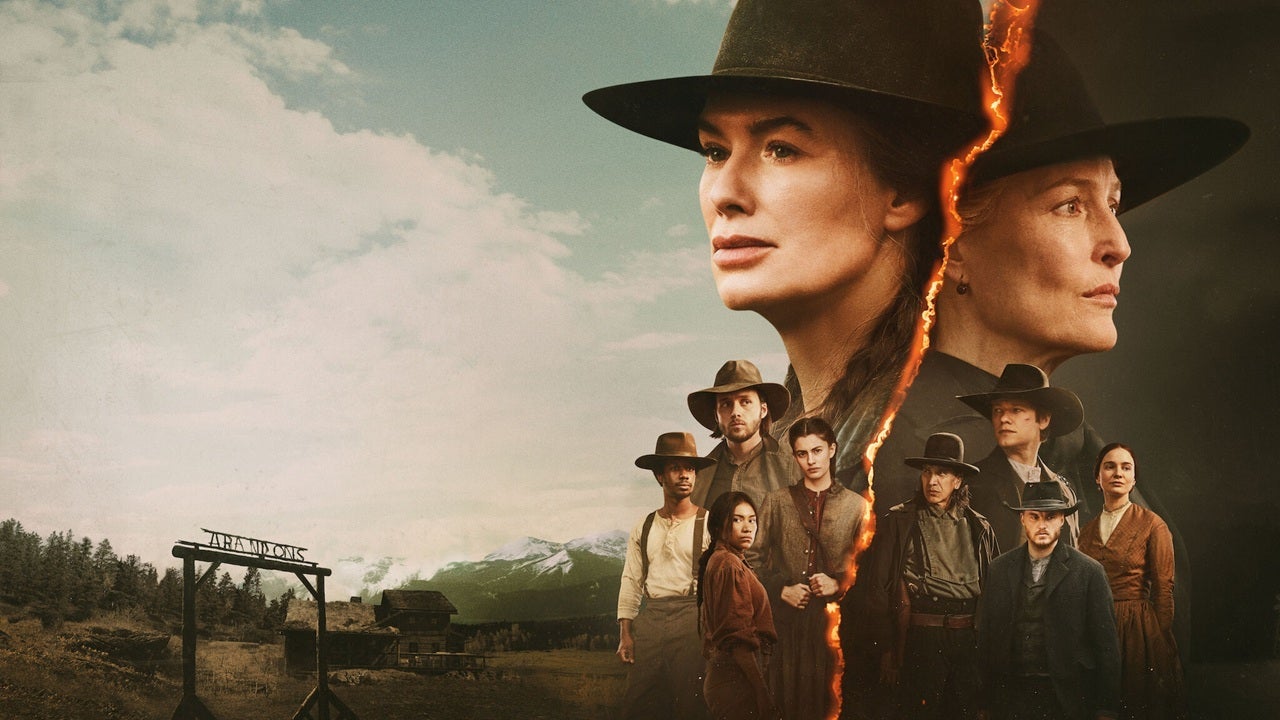
Netflix has announced the cancellation of two series in 2026, The Abandoned and The Vince Staples Show, in a move that comes after a series of production issues and low audience performance. This decision highlights the growing pressure on the platform to keep its series catalog attractive and profitable.
The son of anarchy has not been able to take the hit
The Abandoned was an ambitious production created by Kurt Sutter, known for his work on Sons of Anarchy, and featured renowned actresses like Gillian Anderson and Lena Headey. However, the path to its premiere was fraught with challenges; Sutter left the series before filming was completed, which led to a reduction of episodes from ten to seven and significant changes in the filming of the pilot. Despite its potential, the result was disappointing, achieving only 30% positive ratings on Rotten Tomatoes and 15 million views in two weeks.
For its part, The Vince Staples Show, which premiered its second season on November 6, faced even greater difficulties. With only 1.7 million views by the end of the year, the series seems to have gone unnoticed by most of the audience, illustrating a lack of interest that has led to its cancellation. These numbers reflect a worrying trend for Netflix, which is in fierce competition to attract and retain subscribers.
In an environment where the quality and performance of series are more critical than ever, these cancellations serve as a reminder of the volatility of the entertainment market. With the scarce public interest in these productions, it was only a matter of time before the decision was made to end both. This raises the question of what future awaits other series facing similar challenges.
The anticipation for the premiere of 28 years later: The Temple of Bones intensifies as the film prepares for its theatrical release on January 16. With an impressive 95% rating on Rotten Tomatoes, critics’ reactions have been overwhelmingly positive, highlighting both the performances of Ralph Fiennes and Jack O’Connell as well as Nia DaCosta’s direction, considered her best work to date. A film that has excited critics The movie has been described as a worthy sequel that expands the original story without falling into the trap […]
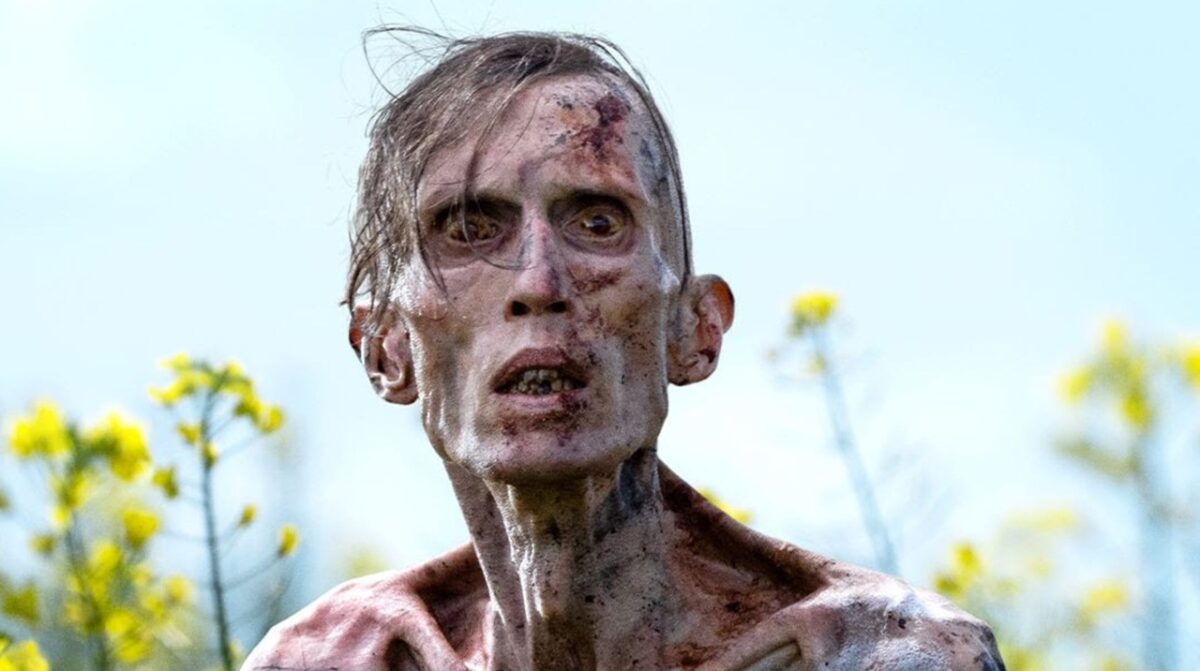
The anticipation for the release of 28 years later: The Temple of Bones intensifies as the film prepares for its theatrical release on January 16. With an impressive rating of 95% on Rotten Tomatoes, critics’ reactions have been overwhelmingly positive, highlighting both the performances of Ralph Fiennes and Jack O’Connell as well as Nia DaCosta’s direction, considered her best work to date.
A movie that has excited the critics
The movie has been described as a worthy sequel that expands the original story without falling into the trap of repeating previous plots. Critics highlight the emotional complexities and visceral violence that characterize the work, which promises to attract both horror genre fans and new viewers. The focus on three decades of a zombie apocalypse, which has already been part of the narrative, is presented in a way that remains relevant and exciting.
Publications like Total Film praise the film as the wildest and strangest in the saga, while Mashable highlights that DaCosta brings a bold and deep growth to the saga. In turn, the Variety critic emphasizes that the film represents a bold work that satisfies the need for a zombie movie that combines action and reflection. The Bone Temple is gory and reflective in equal parts, with a wit that raises the dramatic stakes amid the zombie chaos, adds Clint Gage from IGN.
As the release date approaches, expectations continue to grow, and critics seem to agree that 28 years later: The Temple of Bones could redefine the franchise and offer an unforgettable experience in theaters.
The phenomenon of entertainment cinema has taken on a new dimension with the release of F1: The Movie, which arrived on Apple TV+ on December 12, almost six months after its theatrical release. This fact has become a rarity in the current industry, where the waiting times for debuting on streaming platforms tend to shorten. A Brad Pitt in a state of grace Directed by Joseph Kosinski, the film has achieved resounding success upon its arrival on digital platforms, reaching number one in streaming in 101 countries, although not […]
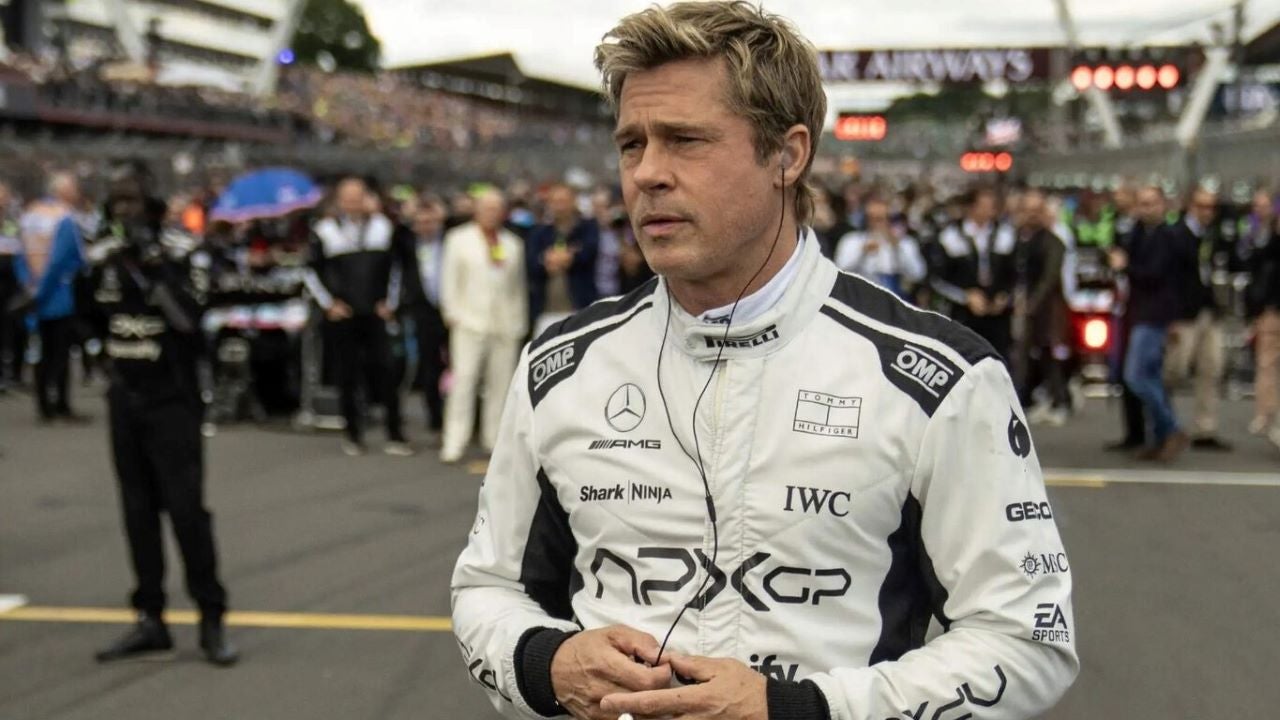
The phenomenon of entertainment cinema has taken on a new dimension with the release of F1: The Movie, which arrived on Apple TV+ on December 12, almost six months after its theatrical release. This fact has become a rarity in the current industry, where the waiting times for debuting on streaming platforms tend to shorten.
A Brad Pitt in a state of grace
Directed by Joseph Kosinski, the film has achieved resounding success upon its arrival on digital platforms, reaching number one in streaming in 101 countries, although not simultaneously. According to data from Flixpatrol, some countries only saw the film at the top of the charts during its launch weekend, highlighting its massive appeal.
F1: The movie tells the story of Sonny Hayes, a talented Formula 1 driver whose career is cut short after an accident. Years later, he is recruited by his former teammate to help rescue a struggling team, a plot that resonates strongly with the audience. In terms of box office, the film has grossed $631 million, establishing itself as the highest-grossing film of Brad Pitt’s career, surpassing World War Z. However, it has not yet matched the success of Top Gun: Maverick, another work by Kosinski that grossed $1.496 billion.
The reviews have also been favorable, with 82% positive ratings on Rotten Tomatoes and a score of 7.7 on IMDb, solidifying F1: The Movie as a benchmark in car cinema and an excellent example of mass entertainment. With its mix of action, drama, and lessons on resilience, the film has managed to captivate both critics and audiences, reaffirming its place in the history of contemporary cinema.
Tom Felton, known for his iconic role as Draco Malfoy in the Harry Potter saga, is back making appearances on the small screen playing a recurring role in the third season of the series The Flash, which has excited his fans. However, his most recent film project, Altered, has received a very different reception. An absolute critical failure The film, directed by Timo Vuorensola, known for his work on Iron Sky, hit theaters in the United States a couple of weeks ago, but has gone almost unnoticed among the public. The reviews have been harsh, […]
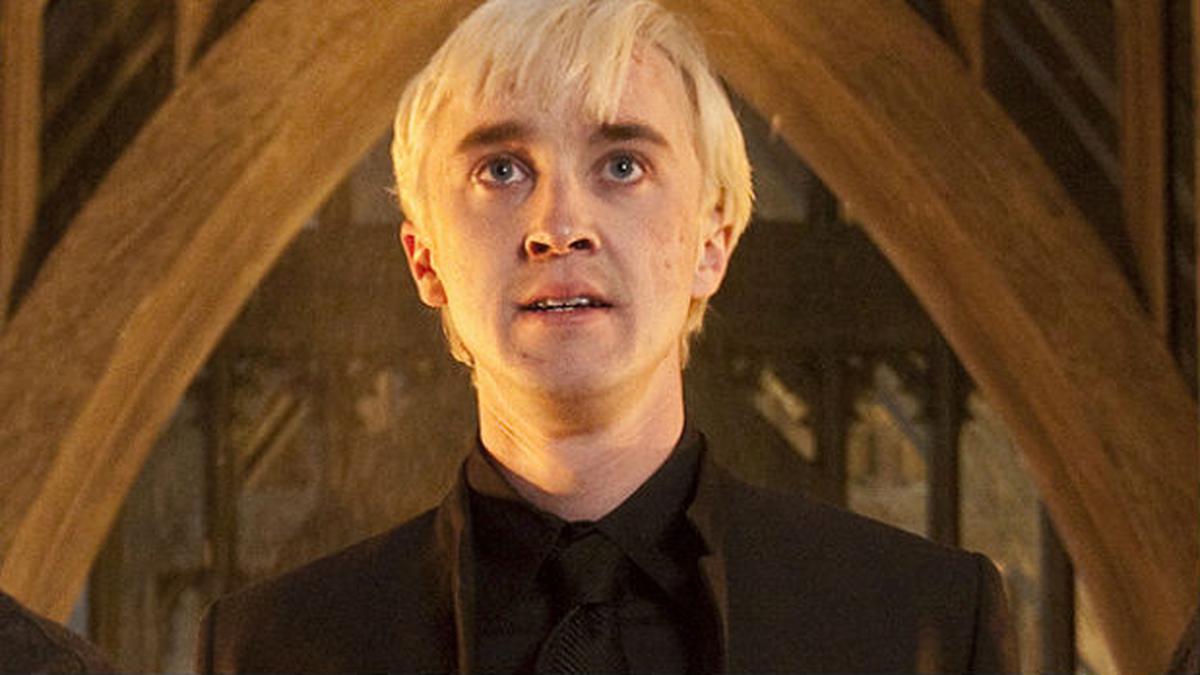
Tom Felton, known for his iconic role as Draco Malfoy in the Harry Potter saga,returns to make appearances on the small screen playing a recurring role in the third season of the series The Flash, which has excited his fans. However, his most recent film project, Altered, has received a very different reception.
An absolute critical failure
The film, directed by Timo Vuorensola, known for his work on Iron Sky, hit theaters in the United States a couple of weeks ago, but has gone almost unnoticed among the audience. The reviews have been harsh, with an average of just 3.8/10 on IMDb, highlighting the low-quality CGI effects and a narrative that many have labeled as low-budget science fiction. Viewers have pointed out aspects such as the lack of emotional depth and questionable political opinions as negative points of the production.
Altered presents an alternative world where genetic enhancements are common, forcing those who cannot use them to live in hiding. The plot revolves around the struggle of a few brave individuals to balance a society that seems to inhabit a dystopian horizon. Despite having an intriguing premise of superheroes in a cyberpunk setting, expectations have been disappointed by the destructive criticism the film receives. “Be clear about what you are exposing yourself to,” warns a reviewer on Rotten Tomatoes, highlighting that the trailer is a true reflection of the film’s quality.
As Altered continues its journey, no release date has been announced in Spain. Fans of Tom Felton and the science fiction genre will have to wait to see if the film manages to capture the audience’s attention upon its international release.
Sony is increasingly betting on synergies. It’s no secret. Its two main battlefields right now are anime and video games, and its idea is to exploit them as intimately as possible, especially after seeing how well its major video game IPs can perform when brought to the big screen. Something it has only done so far with live-action movies. Because all of Sony’s big video game movies have been successful. Perhaps not among critics and certainly not among fans of these IPs, but they have managed to work in what […]
Sony is increasingly betting on synergies. It’s no secret. Its two major battlefields right now are anime and video games, and its idea is to exploit them as closely as possible, especially after seeing how well its major video game IPs can perform when brought to the big screen. Something it has only done so far with live-action films.
Because all the movies based on Sony’s major video games have been successful. Perhaps not among critics and certainly not among fans of these IPs, but they have managed to perform in what matters most to executives: making good box office numbers. This is also true for their latest approach, which, while not the best movie of 2025, is quite better than its also recent remake. We are talking about the film adaptation of Until Dawn.
A movie that has successfully adapted the video game
Adapting the 2015 video game by Supermassive Games, the original already had everything to be a movie. After all, Until Dawn put us in the shoes of eight young adults who went on vacation to the Blackwood Mountains where, due to various circumstances, they found themselves being pursued by a serial killer. Closely following the premises of slasher horror films, the game made us make decisions that ultimately led to the survival or death of our characters, in a butterfly effect that changed the game based on what we decided to do at any given moment.
While its non-linear format and the possibility that several, all, or none of the characters survive do not fit well with cinema, the fact that it is heavily inspired by horror films from the 70s and 80s does. This is something that can be seen in the movie.
Directed by David F. Sandberg, the director of the two Shazam movies and Annabelle: Creation, the film starts from the same premise as the original video game, with a twist to justify everything that happens in it. We won’t reveal it here, as we want to avoid spoilers, but it is a very clever way to justify the constant loops of the original game and explains everything that happens up to this point in the movie, giving it a very unique style and a somewhat different feel compared to other contemporary horror films.
Costing only 15 million dollars, the movie was a fairly modest success. Grossing 54 million at the box office, the film performed especially well in the United States and Canada, demonstrating that it remains the main territory for this type of films.
Unfortunately for Sony, the movie was a bit of a disaster in terms of critical reception and public opinion. With a 52% on Rotten Tomatoes and a 47 on Metacritic, the movie is rated worse than well. And considering it received a C+ on CinemaScore on a scale from A+ to F and a 63% positive rating on PostTrak from the audience, it doesn’t seem like a movie that will receive approval for a sequel. Even if, for a part of the audience that includes us, it is an enjoyable movie under the right conditions: a silly afternoon with plenty of popcorn and a good soda.
Moreover, it’s easy for you to get it. Now more than ever. The movie is now available to watch on Movistar Plus+ and to rent on AppleTV, making it easier than ever to watch it on a lazy afternoon. And if you do it knowing what you’re in for, it could very well be a good afternoon.