
Historically, the world of B2B marketing has placed a strong emphasis on personalization as the key to generating qualified leads. However, this approach has proven to be costly and ineffective, according to new data. A recent study by Gartner reveals that 61% of buyers prefer to make their purchases without the intervention of a sales representative, and 73% avoid messages they consider irrelevant. This underscores the urgency of distinguishing between knowing a potential customer’s name and understanding when they are ready to buy.
The real purchase intention
Artificial intelligence (AI) emerges as a solution capable of transforming this paradigm. By shifting the focus from broad personalization to AI-driven relevance, marketing and sales teams can work more effectively by identifying prospects who truly have purchase intent. Instead of sending messages to a wide audience, it is more effective to target those who are genuinely ready for a sales conversation.
The traditional approach has focused on engagement metrics, creating a disconnect between marketing and sales teams. While marketing celebrates email open rates, sales complain about the low quality of leads. AI now allows for the analysis of behavior patterns, intent signals, and contextual data, providing a relevance score that accurately identifies those prospects who are ready to buy.
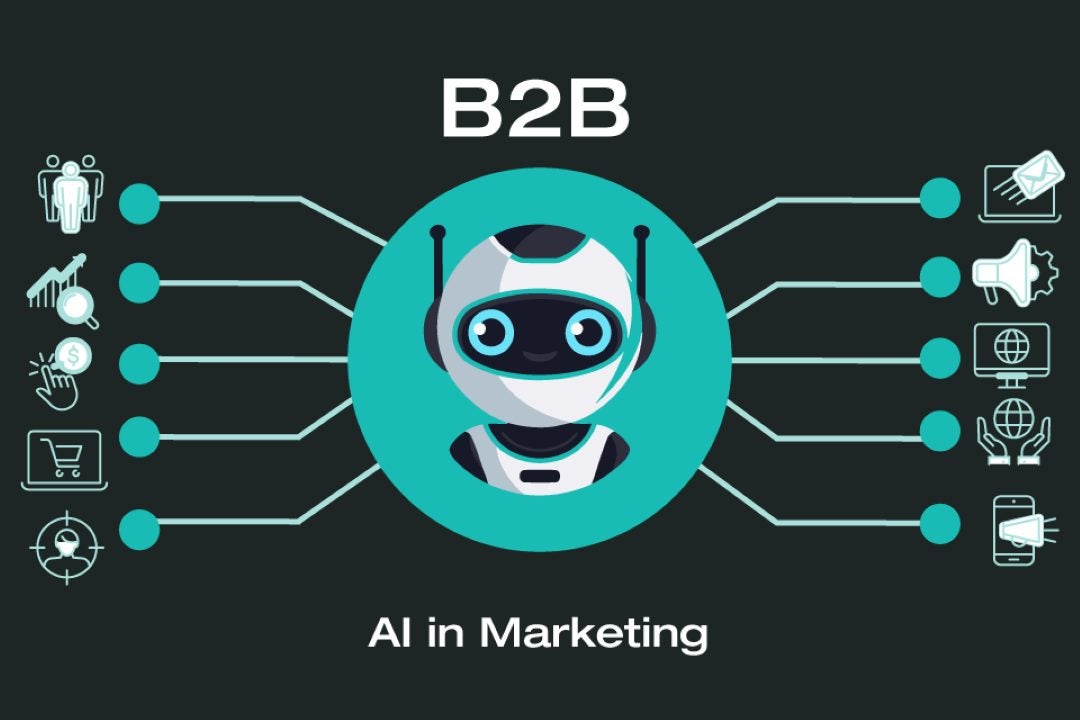
This approach also promises to redefine the lead qualification process by considering not only individual activities but also their sequence and context. Therefore, the transition to a relevance model opens the door to better alignment between marketing and sales, which could result in shorter sales cycles and more predictable revenue growth. In this new landscape, expectations are that the adoption of AI will become essential among sales leaders in the coming years.