Choosing the right partner: the key to successful market research

Strategic collaborations between brands and industry associations are transforming the way research is conducted and meaningful data is obtained. This practice has proven to enhance both the reach and credibility of studies, directly impacting the response rates received and, ultimately, the conversion of that data into practical results. Choose wisely who you ally with The selection of the right partner is essential; they must not only have access to the desired audience but also possess a respected reputation within their sector. The audience fit […]

Strategic collaborations between brands and industry associations are transforming the way research is conducted and meaningful data is obtained. This practice has proven to enhance both the reach and credibility of studies, directly impacting the response rates received and, ultimately, the conversion of that data into practical results.

Choose wisely who you ally with

Choosing the right partner is essential; they must not only have access to the desired audience, but also possess a respected reputation within their sector. Audience suitability has become the most relevant criterion, as it is the key to ensuring that the respondents are the right ones and that they trust the validity of the results obtained.

Recognized brands such as the James Beard Foundation and Deloitte have demonstrated the effectiveness of these collaborations by co-publishing reports that explore specific industry challenges. This methodology allows for addressing relevant issues not only from a theoretical approach, but also based on insights obtained directly from the communities involved.

However, the success of this research not only depends on having a good methodology but also on the ability of the partners to actively commit to disseminating the results. A clear and effective distribution strategy can determine the impact of the research, ensuring that appropriate channels are used and sufficient resources are allocated to maximize reach.

In addition, the active participation of industry experts in the development of surveys provides added value by adjusting the language and content, thereby increasing confidence in the final results. These collaborations can turn a simple report into a valuable thought leadership tool, expanding brand influence and strengthening its position in the market.


Are you harassing and driving away your clients? The big lie of B2B campaigns

Nutrition campaigns in the B2B sector are often designed in such a way that, instead of fostering a meaningful relationship with leads, they end up opting for an approach that gradually distances them. This approach, composed of a series of emails, blog posts, and other disconnected materials, has become a common model that many marketers follow without questioning its effectiveness. Are you making a mistake? The confusion between activity and strategy is a common mistake in this process. Drip campaigns, which consist of sending a predefined sequence of content, lack a […]

B2B nutrition campaigns are often designed in such a way that, instead of fostering a meaningful relationship with leads, they end up opting for an approach that gradually distances them. This approach, composed of a series of emails, blog posts, and other disconnected materials, has become a common model that many marketers follow without questioning its effectiveness.

Are you making a mistake?

The confusion between activity and strategy is a common mistake in this process. Drip campaigns, which consist of sending a predefined sequence of content, lack authentic communication and the necessary personalization to truly connect with the audience. Instead of creating a conversation, they are often seen as a type of harassment, where long-term relationship building is not encouraged.

The R.E.A.L. model, which focuses on building authentic relationships, proposes a paradigm shift in the way leads are nurtured. This approach is based on intention and curiosity, and seeks to establish genuine dialogues with prospects. Instead of flooding event attendees with automated content, they should be asked about their needs and challenges, creating a genuine connection that fosters a smooth conversation.

A practical example of this approach would be to ask webinar participants about their segmentation strategies. This type of interaction not only demonstrates genuine interest but also opens the door for deeper and more personalized discussions. Implementing surveys or direct questions in emails can help marketers tailor their message according to the feedback received.

Ultimately, to gain the attention and trust of leads, it is essential to abandon the mindset of more closed content and adopt a more human approach that fosters dialogue and authentic connection. Only then can a solid relationship be built that transcends the mere act of sending information.

The AI revolution promises a reduction of up to 30% in inventory costs for B2B companies

The manufacturing sector is at the peak of a radical transformation driven by artificial intelligence, with a projected investment of 30 billion dollars by 2027 focusing on modernizing the supply chain and customer experience. According to IDC, this AI revolution, valued at 47.8 billion, anticipates significant optimization in operations through digitization and data integration. Prepared for change A McKinsey study highlights that the implementation of AI can reduce inventory levels and their associated costs by between 20% and […]

The manufacturing sector is at the forefront of a radical transformation driven by artificial intelligence, with an expected investment of 30 billion dollars by 2027 focusing on modernizing the supply chain and customer experience. According to IDC, this AI revolution, valued at 47.8 billion, anticipates significant optimization in operations through digitization and data integration.

Ready for Change

A McKinsey study highlights that the implementation of AI can reduce inventory levels and associated costs by 20% to 30%. This is crucial, given that 90% of B2B buyers have faced critical delays in their purchasing processes, often resulting in lost opportunities to more agile competitors. In fact, it is estimated that 50% of B2B business is awarded to those who respond first, emphasizing the urgency of improving the speed of response to customer inquiries.

From an operational perspective, many companies still struggle with outdated systems that interfere with their responsiveness. Marketing, which invests large sums in creating narratives and expectations for the customer experience, is often limited by obsolete backend processes, allowing competitors to quickly capitalize on these deficiencies. Ontologies, by translating fragmented data into AI-compatible structures, emerge as an effective solution to bridge this gap.

Experts suggest that it is essential for companies to map the gap from truth to promise and identify the critical points where transitions between marketing and operations fail. Digital transformation projects, such as those implemented in Siemens and Tesla factories, demonstrate that greater visibility of real-time data not only optimizes operations but can also become a competitive advantage in the market.

ChatGPT's traffic drops by 52% due to changes in content strategy

El tráfico de referencia a sitios web desde ChatGPT ha disminuido en un 52% desde el 21 de julio, según un análisis realizado por Profound, que examinó más de 1 mil millones de citas de ChatGPT y 1 millón de visitas de referencia de una muestra de sitios de diversos sectores. Este cambio significativo en el … Continúa leyendo “”

Referral traffic to websites from ChatGPT has decreased by 52% since July 21, according to an analysis conducted by Profound, which examined over 1 billion ChatGPT citations and 1 million referral visits from a sample of sites across various sectors. This significant change in traffic has raised concerns among digital marketing managers, especially those in the B2B space.

New Content Strategies

The findings indicate that ChatGPT now favors a smaller number of sources that provide direct answers, which has led to a decrease in visibility and referral clicks to brand websites. This reconfiguration of ChatGPT’s retrieval system is not a result of the launch of GPT-5, which took place on August 7, but rather a strategic decision by OpenAI that began weeks earlier. The company has started to prioritize content that directly satisfies user queries, to the detriment of conversion-oriented materials.

Para los marketers B2B, esto implica la necesidad de adaptarse a un enfoque basado en contenido que responda preguntas específicas, en lugar de centrarse únicamente en la conversión. Plataformas como Reddit y Wikipedia están ganando terreno en esta nueva dinámica, ya que abordan directamente las preocupaciones de los usuarios. Por lo tanto, la oportunidad de compromiso se vuelve masiva para las marcas dispuestas a hacer este cambio hacia un contenido que prioriza responder primero.

The future landscape is uncertain; OpenAI’s citation experiments may cause drastic fluctuations in traffic, suggesting that brands that do not provide real answers could be excluded from ChatGPT’s results. In this context, time is of the essence for companies to adjust their strategies and align with the new trends in content consumption in the digital environment.

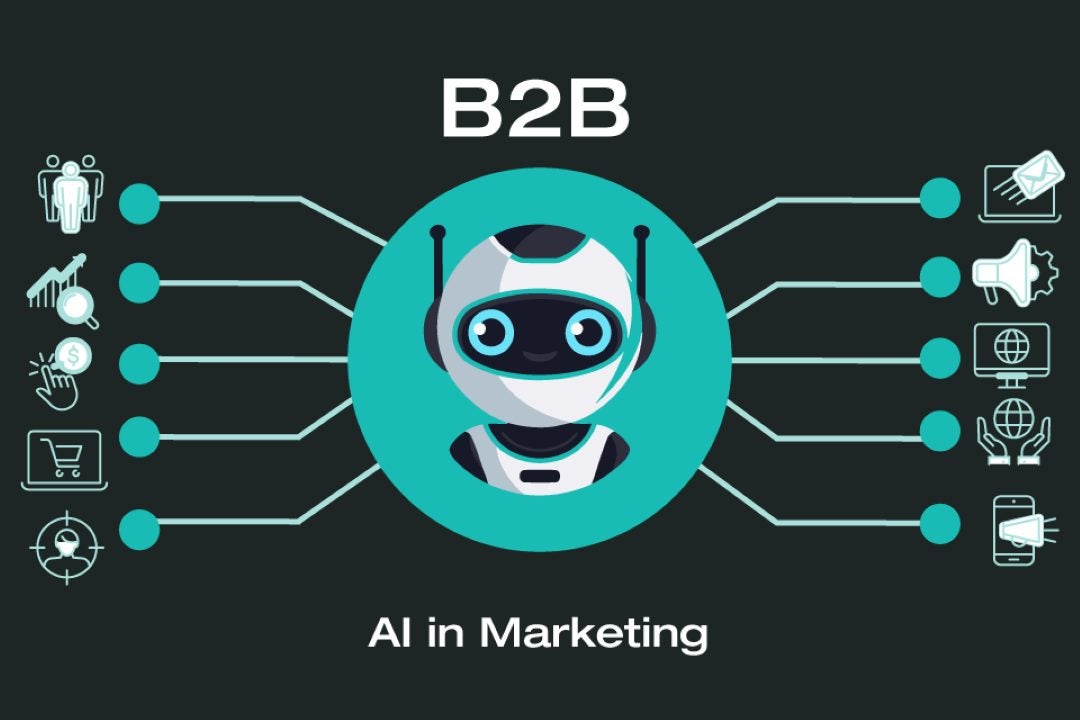
AI and the transformation of B2B marketing

Historically, the world of B2B marketing has placed a great emphasis on personalization as the key to generating qualified leads. However, this approach has proven to be costly and ineffective, according to new data. A recent study by Gartner reveals that 61% of buyers prefer to make their purchases without the intervention of a sales representative, and 73% avoid messages they consider irrelevant. This underscores the urgency of distinguishing between knowing a potential customer’s name and understanding when they are ready to buy. The actual buying intent Artificial intelligence (AI) emerges as a solution […]

Historically, the world of B2B marketing has placed a strong emphasis on personalization as the key to generating qualified leads. However, this approach has proven to be costly and ineffective, according to new data. A recent study by Gartner reveals that 61% of buyers prefer to make their purchases without the intervention of a sales representative, and 73% avoid messages they consider irrelevant. This underscores the urgency of distinguishing between knowing a potential customer’s name and understanding when they are ready to buy.

The real purchase intention

Artificial intelligence (AI) emerges as a solution capable of transforming this paradigm. By shifting the focus from broad personalization to AI-driven relevance, marketing and sales teams can work more effectively by identifying prospects who truly have purchase intent. Instead of sending messages to a wide audience, it is more effective to target those who are genuinely ready for a sales conversation.

The traditional approach has focused on engagement metrics, creating a disconnect between marketing and sales teams. While marketing celebrates email open rates, sales complain about the low quality of leads. AI now allows for the analysis of behavior patterns, intent signals, and contextual data, providing a relevance score that accurately identifies those prospects who are ready to buy.

This approach also promises to redefine the lead qualification process by considering not only individual activities but also their sequence and context. Therefore, the transition to a relevance model opens the door to better alignment between marketing and sales, which could result in shorter sales cycles and more predictable revenue growth. In this new landscape, expectations are that the adoption of AI will become essential among sales leaders in the coming years.

AI is transforming B2B buying behavior

The use of research tools like OpenAI and Perplexity is drastically changing buying behavior in the B2B sector. These technologies allow buyers to create lists of suppliers in minutes, challenging sellers to be more transparent and accessible regarding prices. An illustrative example is that of an expert who, after a price increase from their SaaS provider, used Gemini Deep Research to identify more economical alternatives, resulting in a reduction in infrastructure costs and an increase in productivity. Transparency as a key This new dynamic implies that […]

The use of research tools like OpenAI and Perplexity is drastically changing buying behavior in the B2B sector. These technologies allow buyers to create lists of suppliers in minutes, challenging sellers to be more transparent and accessible regarding prices. An illustrative example is that of an expert who, after a price increase from their SaaS provider, used Gemini Deep Research to identify more economical alternatives, resulting in a reduction in infrastructure costs and an increase in productivity.

Transparency as a Key

This new dynamic implies that companies that hide prices may be disqualified from lists generated by AI tools. In an environment where transparency has become a decisive factor, sellers must ensure that their information is easily accessible and clearly presented on their websites. Thus, B2B buyers, armed with AI-assisted evaluations, are redefining conversations with sales representatives.

However, despite the advantages that artificial intelligence offers in terms of efficiency and speed in decision-making, concerns arise about the accuracy of the results and the user’s understanding. Many buyers lack the necessary knowledge to adequately assess the reliability of the responses generated by AI, which could lead to erroneous decisions and affect their emotional well-being. The lack of skills in formulating questions to AI can result in the acceptance of incorrect or misleading information.

Therefore, it is essential for marketing professionals to understand the importance of traditional search optimization strategies, as these AI tools are deeply rooted in these principles. As AI becomes an integral part of marketing workflows, it is increasingly important to verify and validate the information provided to avoid potential issues. As an expert rightly points out, trust, but verify.