Don't stay in the past: phishing has become much more sophisticated

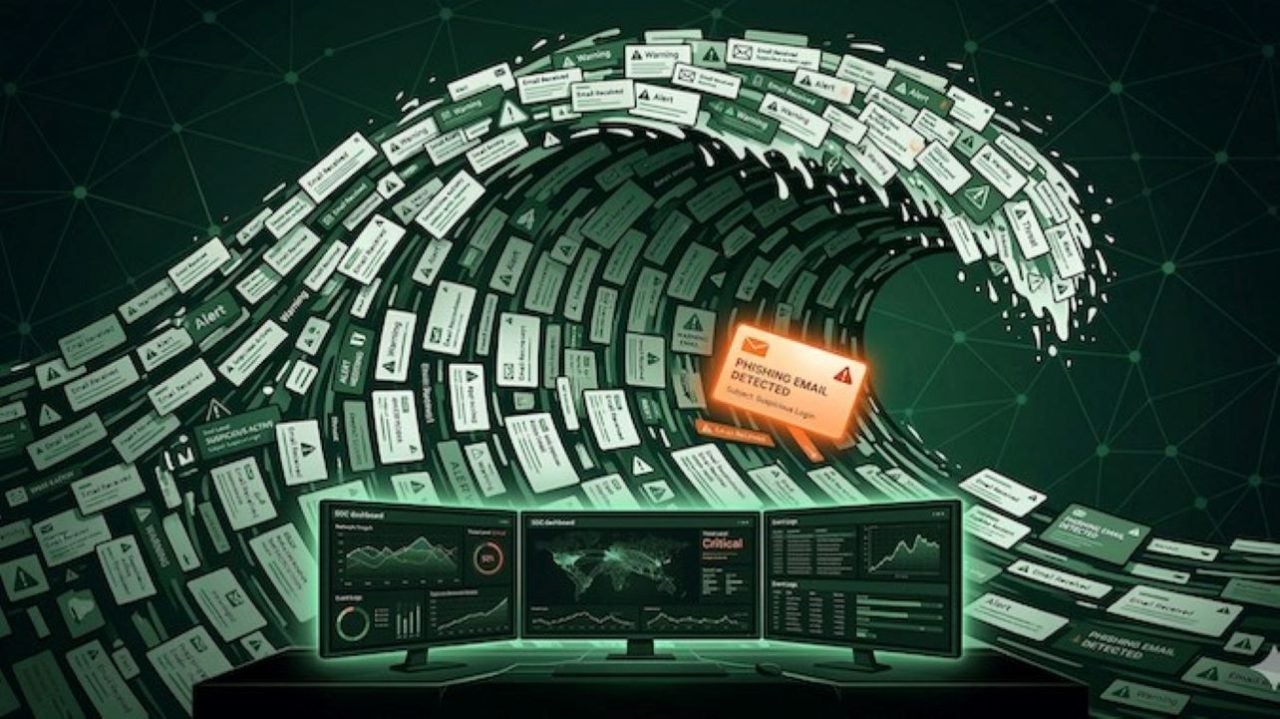
Phishing campaigns have become more sophisticated, not only seeking to deceive employees but also exhausting the resources of security operations center (SOC) analysts. Organizations are facing an increase in phishing reports that congest investigation queues, which decreases the quality of analysis and increases the risk of security breaches. Fishing in the sea of crime According to recent reports, some attackers have designed their campaigns to maximize the effort required for investigation, causing incidents that should be resolved in minutes to take hours, significantly widening the window […]

Phishing campaigns have become more sophisticated, not only seeking to deceive employees but also exhausting the resources of security operations analysts (SOC). Organizations are facing an increase in phishing reports that congest investigation queues, which decreases the quality of analysis and increases the risk of security breaches.

Fishing in the Sea of Crime

According to recent reports, some attackers have designed their campaigns to maximize the effort required for investigation, causing incidents that should be resolved in minutes to take hours, significantly widening the window of opportunity for an attack. This tactic has led SOC teams to a state of alert fatigue, where response times are reduced and decisions are made with less rigor.

Organizations, therefore, must reevaluate their approaches to defending against phishing. It is not only about training employees to identify suspicious emails, but also about optimizing post-report investigation processes. Implementing systems that provide synthesized analysis can enable analysts to make faster and more effective decisions, reducing investigation time from hours to minutes.

Despite current efforts to automate threat detection, many tools do not address the fundamental problem of workload in SOCs. An emerging approach is focused on decision-ready investigation, where the system provides a clear assessment, allowing analysts to review investigations instead of conducting them from scratch. This could radically change the dynamics of investigations against phishing campaigns, contributing to a faster and more robust response to attacks.

Platforms like Conifers.ai are developing solutions to provide these phishing investigations in minutes, instead of hours, effectively combating the attackers’ exhaustion strategies.


That prize you just won is your boss putting you to the test… and you’ve failed

Every day, we receive a vast number of emails, among which several manage to slip through offering us “prizes” or “deals” that seem too good to miss. In the end, these are never what they claim to be; instead, it might be your own company setting a trap for you.

Norton 360 Deluxe DOWNLOAD

Phishing messages pose a very real danger to companies and can ultimately cause significant harm and millions of dollars in losses. In 2021 alone, the FBI recorded over 300,000 complaints about phishing attacks, a 30% increase from the previous year. Looking at 2022, the figures reveal that Americans lost $10.3 billion due to online scams (phishing, identity theft, etc.).

To prevent more significant harm, companies attempt to educate their employees to recognize these types of attacks instantly. In these cases, companies test their employees with emails that, at first glance, would appear quite legitimate.

Taylor Swift and other types of bait

A good trap must also have bait that is up to the task. In this case, Taylor Swift has proven to be an ideal figure to make people click even on the most suspicious links. KnowBe4, a security-focused company, used Taylor and her Eras Tour to develop a fake email template that was then sent to thousands of employees.

During a 30-day period, the email was sent about 17,600 times to different users, and ultimately, 533 ended up clicking the fraudulent link. However, not all “attacks” are based on the American singer. The same company, KnowBe4, also has a more controversial category that provides emails with more sensitive subjects. Work-related tests, issues related to the human resources department, meeting requests, salary updates… any of these reasons can imitate real attacks and thus test employees. Would you fall for any of these traps?

Norton 360 Deluxe DOWNLOAD