In recent weeks, there has been a significant increase in tensions between different nations, raising concerns about global stability. These conflicts not only affect diplomatic relations but also increase the vulnerability of maritime transport routes and international trade, putting the economic security of several countries at risk. The interconnectedness of modern economies means that any disruption in this delicate system can have ripple effects worldwide.
The ethical concerns of AI
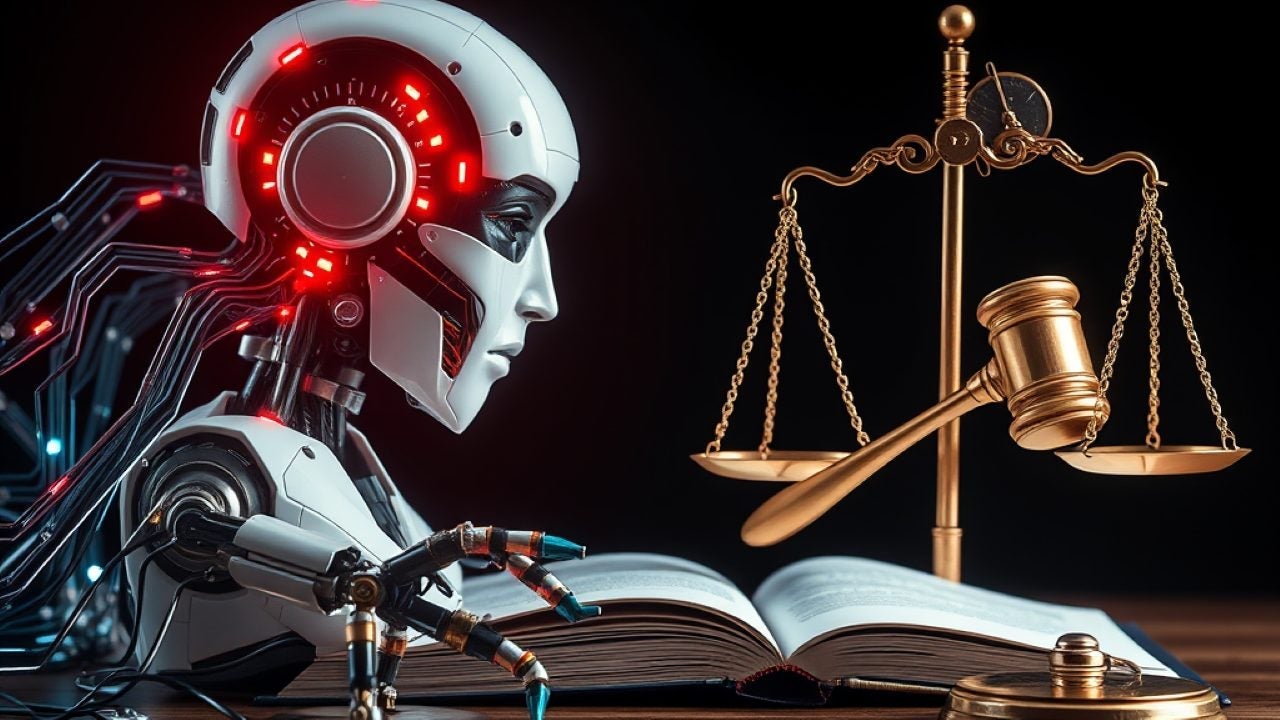
An additional factor that exacerbates this situation is the rapid development of artificial intelligence technologies without proper oversight. While AI promises to improve multiple sectors, its uncontrolled growth could bring significant risks, both in cybersecurity and ethics. The lack of regulation in this area could also facilitate the emergence of what is known as shadow AI, artificial intelligence tools operated in secret that are often not audited or supervised, raising serious concerns about their misuse.
At this crossroads, experts suggest the need to implement strategies and measures to mitigate the risks arising from these interrelated factors. Managing exposure becomes a critical imperative, allowing governments and organizations to proactively address threats, whether geopolitical or technological. This includes the creation of more robust security protocols to protect maritime routes, as well as the implementation of regulations that ensure the oversight of artificial intelligence, preventing this technology from becoming an uncontrollable risk.

The challenges are complex, but with coordinated actions we can aspire to greater global stability and security in a world that faces constant changes.