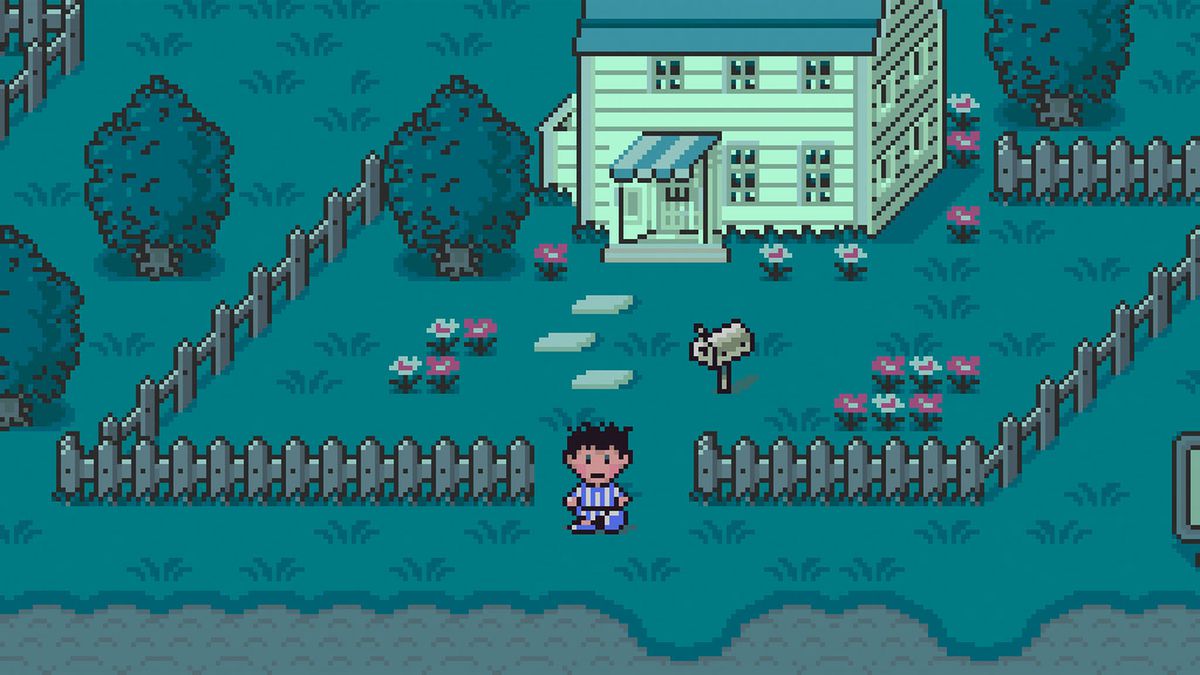
Earthbound, an iconic JRPG originally released for the Super Nintendo, has had a lasting impact on video game culture thanks to its charming dialogue and innovative localization process. Under the direction and script of Shigesato Itoi, known as Mother 2 in Japan, the game has not only delighted players in its home country but has also solidified its place in video game history worldwide.
A masterpiece made possible thanks to its translators
The success of Earthbound in the English-speaking market can be largely attributed to the meticulous localization work carried out by Masayuki Miura and Marcus Lindblom. Miura, who dictated the original script to Lindblom, ensured that the nuances and humor of the original text were effectively translated so that players could enjoy the game without losing the essence of its jokes and cultural references. “If I said something strange, he didn’t just write it down. He would stop and ask me to clarify,” Itoi explained about his collaboration with Miura.
Although Itoi did not directly supervise the English translation, he expressed satisfaction with the changes made, emphasizing that his only wish was for the audience to enjoy the work. However, video game localization has sparked mixed reactions, especially among purists who criticize any modifications to the dialogue. Itoi shared that a very beloved example among Japanese fans of the game is the famous change of a line that referred to Heidi, transforming it into a reference to a Beatles song, XXXterday.
This less rigid approach to localization has allowed Earthbound to continue being acclaimed as one of the best JRPGs ever created, attracting a passionate fanbase worldwide. Ironically, although Lindblom did not write that famous line, the initial translations set the tone for his work, highlighting the impact that the localization process had on the game’s success.