Today marks 30 years since the release of Tales of Phantasia, a game that not only revolutionized the RPG genre but also laid the groundwork for one of the most enduring and successful franchises in the medium. Developed by Wolf Team, the title was originally released on the Super Famicom during a period considered the “golden age” of RPGs, alongside classics like Chrono Trigger and Final Fantasy VI. An absolute rarity that marked an era. Over the last three decades, Tales of Phantasia has been acclaimed for its innovative Linear Motion Battle System, which […]
Today marks the 30th anniversary of the release of Tales of Phantasia, a game that not only revolutionized the RPG genre but also laid the groundwork for one of the most enduring and successful franchises in the medium. Developed by Wolf Team, the title was originally released on the Super Famicom during a period considered the “golden age” of RPGs, alongside classics like Chrono Trigger and Final Fantasy VI.
An absolute rarity that marked an era
Over the last three decades, Tales of Phantasia has been acclaimed for its innovative Linear Motion Battle System, which introduced real-time combat, breaking away from the traditional turn-based combat structures of the time. This system allowed players to execute combos of unique arts, giving each character their own fighting style. This approach has influenced dozens of sequels and spin-offs within the franchise, as well as other titles like Star Ocean.
Despite a narrative that starts off simply, the story becomes darker and more complex as it progresses, trapping players in a world full of conflict and deep characters. From the beginning, Cress Albane, the protagonist, faces personal tragedies that transform him and lead him to question his family legacy. This focus on complex characters and their individual development is complemented by the Skit system, which offers optional conversations that enrich the narrative experience.
The striking duality between the colorful appearance of the game and its dark narrative has left an indelible mark on the RPG genre. As time goes by, Tales of Phantasia remains a pillar in the evolution of video games, demonstrating that a title can age gracefully and remain relevant. Undoubtedly, its legacy lives on in every new installment of the Tales saga.
The long-awaited spiritual successor to the Star Fox series, titled Wild Blue Skies, has been revealed with a new gameplay trailer that has generated greater anticipation among fans. The title, which was originally presented in March of this year, has been received with enthusiasm, especially for its direct connection to the renowned Nintendo series, which seems to have been left in limbo after the last installment. A game by the creators of the original game Developed by Chuhai Labs, a company founded by Giles Goddard, one of the original programmers of Star Fox for Super Nintendo, Wild […]
The long-awaited spiritual successor to the Star Fox series, titled Wild Blue Skies, has been revealed with a new gameplay trailer that has generated increased anticipation among fans. The title, which was originally presented in March of this year, has been received with enthusiasm, especially for its direct connection to the renowned Nintendo series, which seems to have been left in limbo after the last installment.
A game by the creators of the original game
Developed by Chuhai Labs, a company founded by Giles Goddard, one of the original programmers of Star Fox for Super Nintendo, Wild Blue Skies promises to capture the essence of the classic. The new trailer highlights “numerous” biomes in the game, including oceans, deserts, and dangerous caves, adding variety to the gameplay experience. One of the most exciting levels presented in the new trailer is that of a hurricane, where players must face waves of enemies within the eye of this fierce storm.
The new visual material has been better received compared to previous trailers, which did not manage to inspire as much. This recent presentation shows a renewed and dynamic approach that seems to capture the audience’s attention more. Despite the invigorating reveal, a release date for Wild Blue Skies has not yet been announced, nor are there rumors about a new game in the Star Fox series, leaving fans of the franchise with a feeling of uncertainty.
The nostalgia for the original Star Fox, a classic from the SNES, remains alive among players. Meanwhile, the development of Wild Blue Skies is an opportunity for fans of the space shooter genre to once again experience the magic of flying and battling in vibrant and challenging environments. As the wait continues, many are wondering if this new title will meet the expectations it has generated over these months.
Earthbound, an iconic JRPG originally released for the Super Nintendo, has had a lasting effect on video game culture thanks to its charming dialogue and innovative localization process. Under the direction and script of Shigesato Itoi, known as Mother 2 in Japan, the game has not only delighted players in its home country but has also solidified its place in video game history worldwide. A masterpiece made possible by its translators The success of Earthbound in the English-speaking market can be largely attributed to the […]
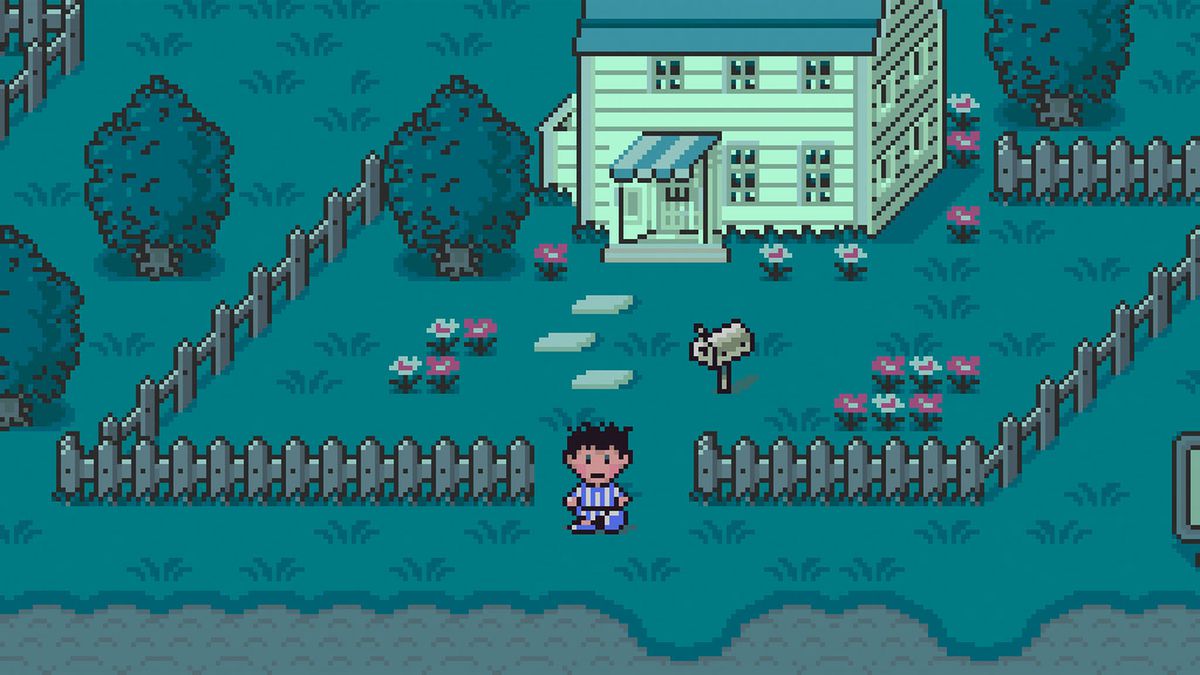
Earthbound, an iconic JRPG originally released for the Super Nintendo, has had a lasting impact on video game culture thanks to its charming dialogue and innovative localization process. Under the direction and script of Shigesato Itoi, known as Mother 2 in Japan, the game has not only delighted players in its home country but has also solidified its place in video game history worldwide.
A masterpiece made possible thanks to its translators
The success of Earthbound in the English-speaking market can be largely attributed to the meticulous localization work carried out by Masayuki Miura and Marcus Lindblom. Miura, who dictated the original script to Lindblom, ensured that the nuances and humor of the original text were effectively translated so that players could enjoy the game without losing the essence of its jokes and cultural references. “If I said something strange, he didn’t just write it down. He would stop and ask me to clarify,” Itoi explained about his collaboration with Miura.
Although Itoi did not directly supervise the English translation, he expressed satisfaction with the changes made, emphasizing that his only wish was for the audience to enjoy the work. However, video game localization has sparked mixed reactions, especially among purists who criticize any modifications to the dialogue. Itoi shared that a very beloved example among Japanese fans of the game is the famous change of a line that referred to Heidi, transforming it into a reference to a Beatles song, XXXterday.
This less rigid approach to localization has allowed Earthbound to continue being acclaimed as one of the best JRPGs ever created, attracting a passionate fanbase worldwide. Ironically, although Lindblom did not write that famous line, the initial translations set the tone for his work, highlighting the impact that the localization process had on the game’s success.
The Rayman saga, known for its iconic platforming adventures, has had a fascinating development since its beginnings. However, few know that one of its early projects, a video game for the Super Nintendo, was canceled despite being practically finished. This attempt to bring Rayman to life focused on a story very different from the ones we know today. A completely crazy premise worthy of the 16 bits The game was going to tell the story of Jimmy, a boy who gets absorbed into a fantasy world called Hereitscool that he created himself. When facing […]
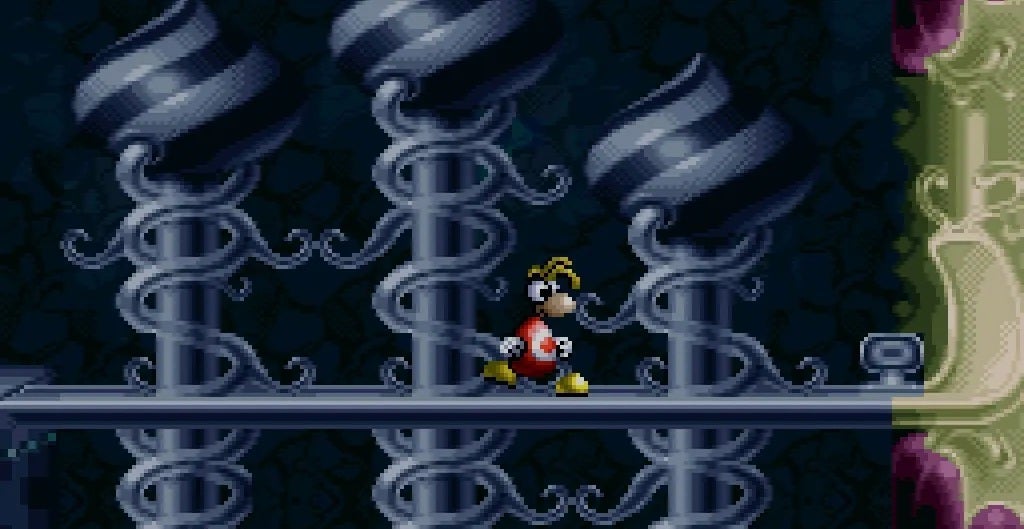
The Rayman saga, known for its iconic platforming adventures, has had a fascinating development since its beginnings. However, few know that one of its early projects, a video game for the Super Nintendo, was canceled despite being practically finished. This attempt to bring Rayman to life focused on a story very different from the ones we know today.
A completely crazy premise worthy of 16 bits
The game was set to narrate the story of Jimmy, a boy who gets absorbed into a fantasy world called Hereitscool that he created himself. When facing a virus that threatens his creation, Jimmy adopts the identity of Rayman to fight it. This premise, which strayed from traditional heroism, promised to offer an innovative and fresh narrative experience.
In addition, the development included the inclusion of a cooperative multiplayer mode that would allow a second player to control Simohne, Rayman’s girlfriend. This functionality, which was not implemented in later games, provided a different gameplay dynamic, making the collective experience more fun and varied.
However, creator Michel Ancel faced great challenges in adapting the game to cartridge format, at a time when optical discs were beginning to gain ground. Despite the technical adaptation becoming complicated, the project left an indelible mark on Ancel and his vision of video game development. The cancellation of the game was three times as frustrating, as many of its elements, including characters and innovative enemy scenarios, were lost in the process.
The story of this forgotten project raises questions about how the Rayman saga could have developed differently, had it been released in the 90s. Although it remains a benchmark in the world of video games today, its beginnings continue to be a fascinating mystery.
Time passes for everyone. Even for the JRPGs that have marked entire generations and have defined video games in a way that most can hardly even dream of. This has been the case with Chrono Trigger, one of the most important games of the SNES and one of the most legendary JRPGs in history, which has just turned 30 years old. Something that, of course, Square Enix has already announced it plans to celebrate as it deserves. How that celebration will be is what remains unclear. They have said they plan to celebrate it, but not how. […]
Time passes for everyone. Even for the JRPGs that have marked entire generations and have defined video games in a way that most can hardly even dream of. This has been the case with Chrono Trigger, one of the most important games on the SNES and one of the most legendary JRPGs in history, which has just turned 30 years old. Something that, of course, Square Enix has already announced it plans to celebrate as it deserves.
How is that celebration going to be? That is what remains unclear. They have said that they plan to celebrate it, but not how. That’s why we can only speculate and dream, knowing that they will have to do something. And in the meantime, we prefer to remember and above all, explain something that perhaps many people do not know: why Chrono Trigger is important. And that is what this article is about. The reasons why this thirty anniversary should be your excuse to replay a legendary game. Or to play it for the first time.
Chrono Trigger is a classic role-playing video game developed by Square, in which a group of young adventurers travel through different eras to save the planet from a future disaster.
The biography of Chrono Trigger
Published on March 11, 1995 for Super Nintendo, it wouldn’t reach the US until August 11 of that same year. And Europe and Australia? I’m afraid we would have to wait until February 2009 for a remaster to be released for Nintendo DS. This does not mean that the game was not played outside of Japan and the US until then.
Because Chrono Trigger is one of those games that was highly imported at the time. Although it was sold at completely outrageous prices outside of North America, it was also sold in English outside the US. And over time since the Super Nintendo, its legend continued to grow, partly thanks to a re-release on PlayStation that was published in 1999 in Japan and in 2001 in the US, which would further cement its cult status. This led to the fact that over the years and with the rise of emulation, anyone interested in JRPGs not only had heard of Chrono Trigger but could also play it, even if it never legally reached their territory.
A game created by a dream team
Why did the game cause such a stir? Probably because it was designed from the beginning to do so. Chrono Trigger was developed by what Square conceived as a dream team of three designers who had just created indisputable masterpieces: Hironobu Sakaguchi, creator of Final Fantasy; Yuji Horii, creator of Dragon Quest; and Akira Toriyama, creator of Dragon Ball. Together, they conceived the entire foundation of the game, from the visuals to the mechanics, resulting in the most idiosyncratic JRPG of its generation.
But it is not a dream team just because of its dream trio. It is also because of the excellent team that accompanied them. Takashi Tokita, director of Live A Live and Parasite Eve, would be co-director and co-writer of the game. Kazuhiko Aoki, director of Final Fantasy IV and Final Fantasy Chronicles, would be producer. And Masato Kato, writer of Final Fantasy VII, would be the other co-writer. Creating an absolutely dream team for the game.
An incredible story, magical designs, and unforgettable characters
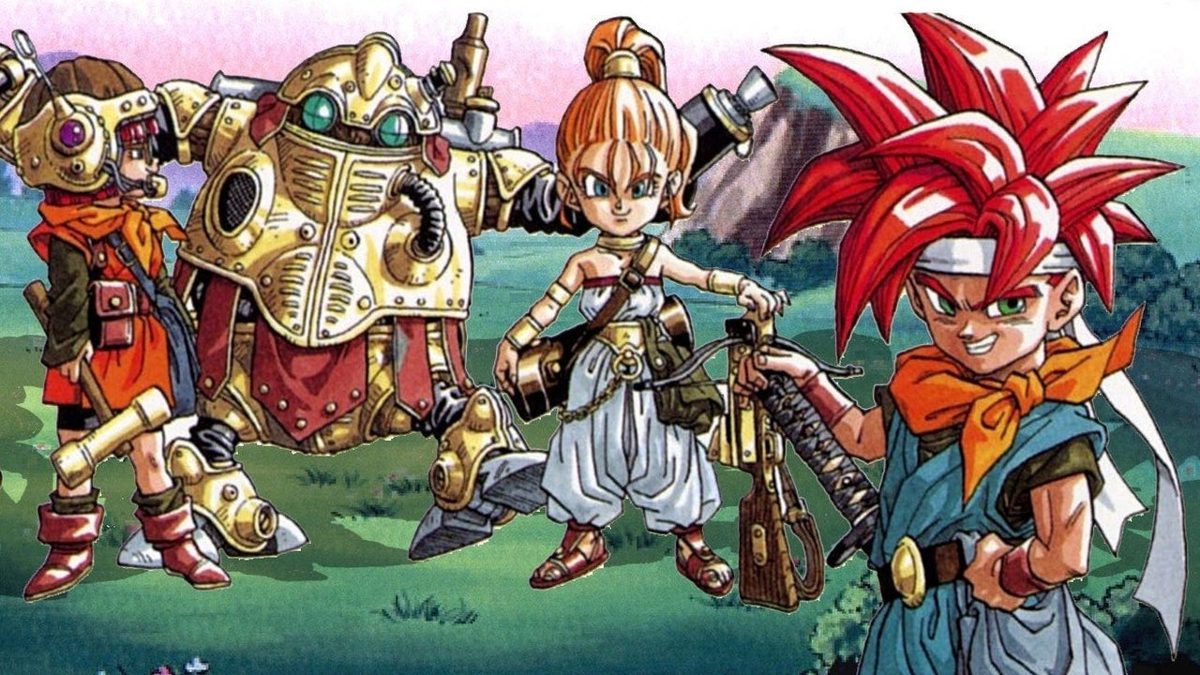
But what is the game about? Basically, in the year 1000AD, Crono and Marle see how Lucca and her father demonstrate how their teleportation works at the fair of the Kingdom of Guardia. Due to an accident, they are teleported back in time 400 years, which leads them on an adventure of time travel, time paradoxes, and also a fight against a mad scientist who wants to end the world, which unfolds through different eras of the same world.
All of this, moreover, with seven tremendously charismatic characters that we can recruit in different time periods. Traveling from prehistory to the distant future, we will have all kinds of allies to fight against the evil Magus and the consequences of his actions, first trying to solve the disaster of our time travels, and then trying to prevent The End of Times with one of the most unforgettable castings of all time. Let’s remember, all designed by Akira Toriyama.
Although it remains a classic JRPG in terms of gameplay, the game would feature the Active Time Battle system, which would allow rivals to take actions while we make decisions in the menus. And surely the most striking aspect is the existence of cooperative skills, for which two or more characters will need to be in our party to perform a particularly powerful ability together. As long as the enemies are in the right position, as they can move during combat.
A game with many versions
With versions for SNES, PlayStation, Nintendo DS, mobile, and PC, it has undergone small changes over time. That said, there is no definitive version of the game. Although many people recommend the Nintendo DS version for having extra content and being relatively more accessible, it is generally accepted that the best version is the original. The SNES version remains the best-adjusted version, with fewer compromises and, while it shows its age, for many people this is not a problem but a plus: it has all the beauty of a game from its era.
What will Square Enix do to celebrate the 30th anniversary? While we would settle for a better port than the one we currently have for PCs, it wouldn’t hurt to have a good remaster. They will probably hold concerts, some kind of art exhibition in Japan, and everything else they do aside from that should be considered a bonus. Unfortunately, Chrono Trigger, as beloved as it is, doesn’t seem to be a priority like Final Fantasy is. Therefore, while we hope for at least the announcement of a series of ports, a Pixel Remaster-style version, or a remaster or remake, everything is still uncertain. But until we know, we can always return to this immortal game that hasn’t aged a single day since March 11, 1995.
Chrono Trigger is a classic role-playing video game developed by Square, in which a group of young adventurers travel through different eras to save the planet from a future disaster.
Nintendo Switch Online continues to grow, this time adding three very particular Super Nintendo games, but excellent ones.
The Nintendo Switch Online catalog continues to grow. Being able to play classic Nintendo games is one of the main selling points of this service, but for many people, they already have the essential games from their first consoles. However, for many others, this is where things get interesting. What titles will they choose when they have to make a less obvious selection? And the answer is excellent games and interesting rarities.
This time, Nintendo Switch Online has received three Super Nintendo games. But far from being the typical titles that everyone has played, or at least knows, this time they are three more particular games. Because Super R-Type, Amazing Hebereke, and Wrecking Crew 98 are coming.
Super R-Type is a shooter game by Irem that is a partial port of R-Type II. Taking four stages from that game and adding three new ones, the result is a very different and much more difficult game. Partly due to the absence of save points, partly due to slowdowns when there were many sprites on screen. Now, without any of these issues as it doesn’t run on original hardware, the result is an excellent game that is an extraordinary successor to the first two R-Type games.
Amazing Hebereke is a game that would never leave Japan, until now. Part of the Hebereke! series, whose first title has recently received a sequel called Ufouria: The Saga 2, this is a unique fighting game with characters from the franchise. In 2D, it has important similarities with Super Smash Bros, as the goal is to defeat our opponents by throwing them off the stage. Not the best fighting game from Sunsoft, which is Waku Waku 7, but a very fun game to play in multiplayer.
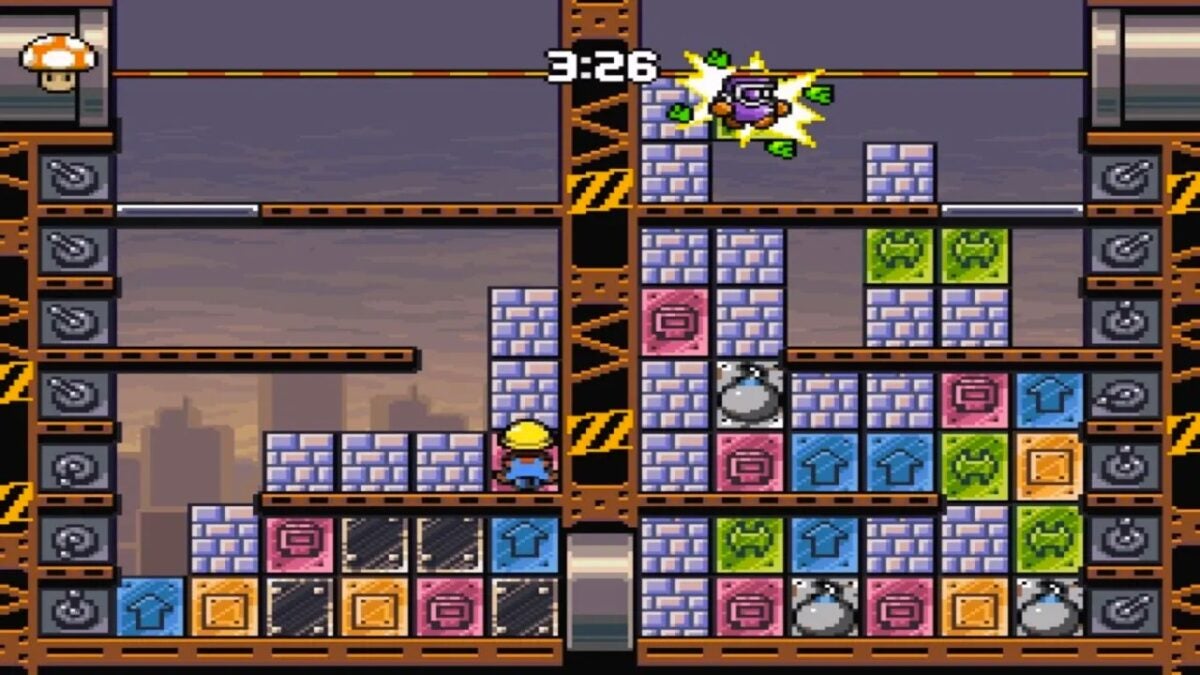
Finally, Wrecking Crew 98 is another exclusive from Japan that is coming to the West for the first time. A puzzle action game, with a clear competitive tone, where we have to align three or more blocks to throw them at our opponent. With Mario characters as the main attraction, it is an extraordinary curiosity. Like all these games that Nintendo has introduced, right now, in Switch Online.
A decade after the original release and following 22 titles, comes one set to change everything. Or, at least, the graphics and gameplay.
If you haven’t lived under a rock for the past ten years, you know ‘Five Nights at Freddy’s’, one of those multimedia franchises that kids love, teenagers live, young people look back on with nostalgia, and adults simply don’t understand. A decade after the original release and after 22 titles, a new one arrives ready to change everything. Or, at least, the graphics and gameplay.
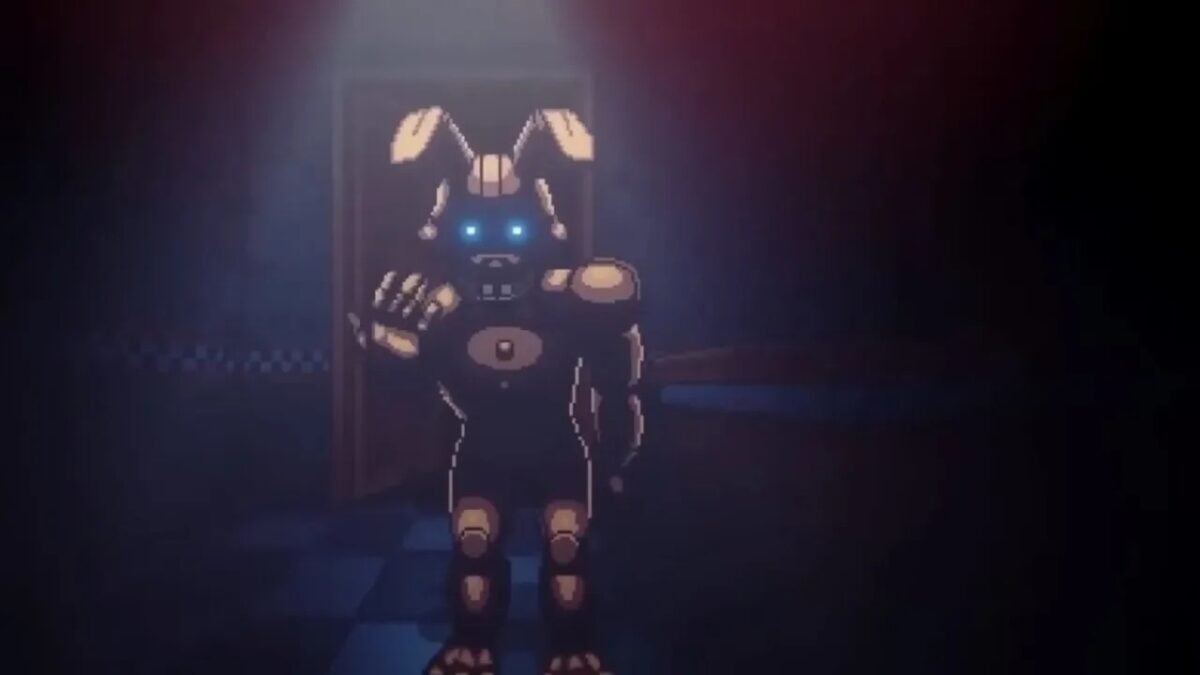
‘Five Nights at Freddy’s: Into The Pit’ will be a 2D version of the game, with graphics similar to those of Super Nintendo (more or less) and will be played on a typical sliding screen of retro games. Initially, Scott Cawthon, its creator, wanted to wait a little longer to release the trailer, but it was leaked and he gave permission for everyone to talk about it. Anyway, once leaked, it doesn’t matter anymore.
Since Scott says discussions on the project's leaked trailer don't need to be kept hush-hush anymore… let's talk about it!
Here's the trailer for ‘Five Nights at Freddy's: Into The Pit’ by Mega Cat Studios?
This is an adaptation of the ‘Fazbear Frights: Into the Pit’ novel series and the game is being produced by Mega Cat Studios, specialists, until now, in making games for extinct consoles like Sega Genesis or NES, and who master the art of pixel to squeeze it as much as possible. Cawthon confirmed that this would be the title that celebrates the tenth anniversary of a saga that, after the movie, has gained more notoriety than ever. We still don’t have a release date, but you still have time to start playing at Freddy Fazbear’s Pizza… before you get left behind forever.