In the realm of musical video games, The Beatles: Rock Band stands out as an ambitious project that seeks to capture the essence of the most influential band in rock. Developed by Harmonix, the game not only focused on paying tribute to the Fab Four but also strived to ensure an authentic representation of its members, especially John Lennon. However, this commitment to accuracy brought significant challenges, particularly in interactions with Yoko Ono, who, upon seeing the digital representation of Lennon, was not satisfied. Yoko Ono eternally undervalued According to the creative director […]
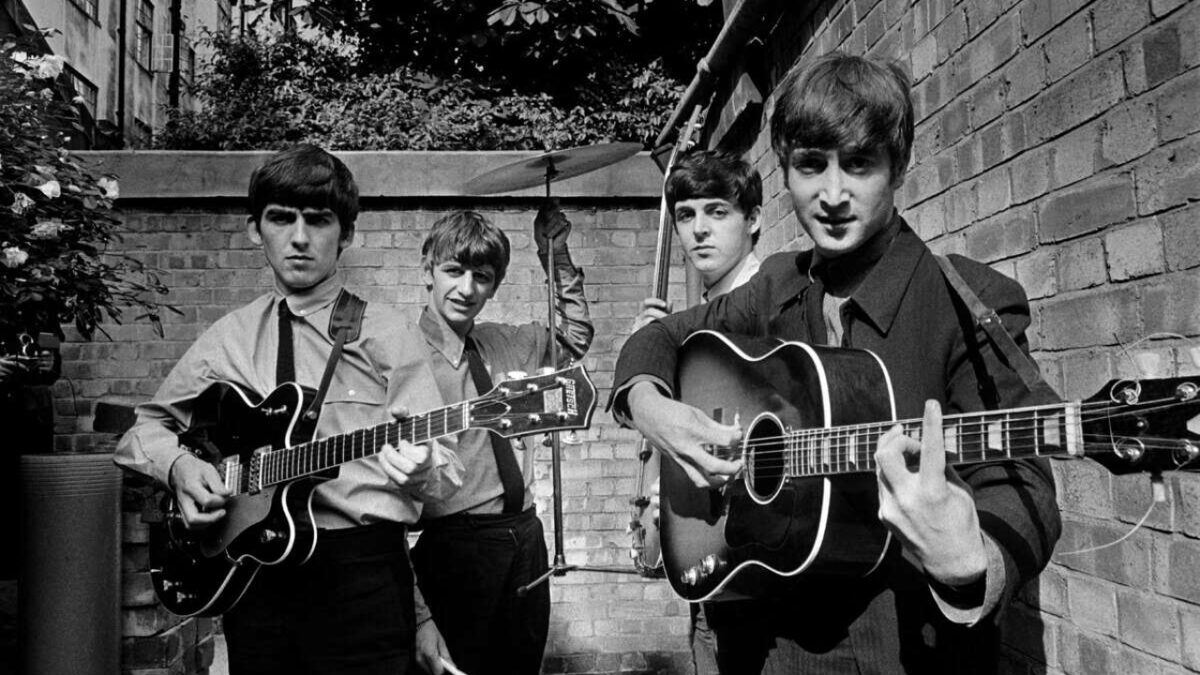
In the realm of musical video games, The Beatles: Rock Band stands out as an ambitious project that seeks to capture the essence of the most influential rock band. Developed by Harmonix, the game not only focused on paying tribute to the Fab Four but also strived to ensure an authentic representation of its members, especially John Lennon. However, this commitment to accuracy brought significant challenges, particularly in interactions with Yoko Ono, who, upon seeing the digital representation of Lennon, was not satisfied.
Yoko Ono eternally underrated
According to Harmonix’s creative director, Josh Randall, the meetings with Ono were intense. In one of them, she questioned the portrayal of Lennon, describing it as stupid and unfaithful to his true character. He did not act like him, Ono insisted, pointing out that the digital image of the musician did not capture his essence or personality. This challenging feedback forced the developers to reevaluate the approach they were taking to animate Lennon in the game.
To address Ono’s concerns, the team delved into historical recordings, especially the iconic performance of The Beatles at Shea Stadium in 1965. This material proved crucial, as it helped the animators see Lennon as a rock god, projecting a bolder and more confident attitude on stage. There was John, looking down at the crowd, like a true rock icon, comments Randall, recalling the moment when the team found the key to illustrating Lennon’s vibrant personality.
As the legacy of The Beatles: Rock Band solidifies, the importance of authentic representation of musical icons is also highlighted, something that the developers took very seriously despite the pressure and expectations that came with it.
If we wanted to talk about the most emblematic group in history, there wouldn’t even be a discussion. It doesn’t matter how much we wanted to debate it, how many buts we wanted to put in, or how much we wanted to contextualize it depending on the era, the country, or the genre, there is only one answer. One single group has generated the kind of cult around it that continues to be documented even today, not only in its country but all over the planet, to the point of becoming an adjective. And that group is The Beatles. Beatlemania is eternal. There will always be a new generation that discovers them and becomes obsessed with them. And there are […]
If we wanted to talk about the most emblematic group in history, there wouldn’t even be a discussion. It doesn’t matter how much we want to debate it, how many buts we want to put in, or how much we want to contextualize it depending on the era, the country, or the genre, there is only one answer. One single group has generated the kind of cult around it that continues to be documented even today, not only in its country but all over the planet, to the point of becoming an adjective. And that group is The Beatles.
Beatlemania is eternal. There will always be a new generation that discovers them and becomes obsessed with them. And there are good reasons for that. Excellent albums, a great stylistic and lyrical variety among their songs, the marked personality of its members, and all the history that surrounds them. Simply put, there is no way it won’t happen.
A group that there are always reasons to return to
That’s why, although we recently received Get Back from Peter Jackson, which reinterpreted the documentary Let It Be, Netflix is now bringing back one of the essential pieces of Beatles history. Or to be exact, one of the fundamental pieces of documentation about the group. Because The Beatles Anthology, an 8-episode series about the history of the group, is considered the definitive documentary about the band.
Why? To begin with, because it is narrated by three of its four protagonists: narrated by McCartney, Harrison, and Starr. The great absentee, Lennon, is not because he didn’t want to appear, but because he couldn’t do so: this series originally premiered in November 1995, directed by Geoff Wontor and Bob Smeaton, for British and American television. Making it impossible for Lennon to be present, who was murdered fifteen years earlier.
With nine hours of content, the series tells the official story of the Beatles from the band’s own perspective. From July 1940 until the band’s end in 1970, they speak candidly about everything that happened to them with deep and valuable detail for both longtime fans and newcomers.
In addition, this new version of Disney+ will offer reasons for those who have already seen the series to watch it again. And not just because Beatles fans can never get enough of the Beatles in their lives. What they will provide is a remastered version of the series, but also a ninth episode where the three surviving Beatles at the time can be seen working on the anthology and reflecting on their time in the Beatles, serving as a final capstone for a monumental work that is already considered legendary.
Since Harrison passed away in 2001, these are some of the last images that exist of him alive. And since they came together to record an unreleased Lennon song, Free Bird, this ninth episode promises to offer something that no self-respecting Beatles fan will want to miss.
With a premiere on November 26, The Beatles Anthology promises to create a new wave of Beatlemania. And for good reason. It is a group that was bigger than Jesus and even today, it is the most famous group on the planet, of which everyone has heard at least one song and of which there is no one who does not have an opinion. Some people, even, for the worse. But that is the magic of The Beatles. There is an album of theirs for everyone, even if it is one that you hate. And as long as new generations exist, there will continue to be new people to inoculate with this Beatlemania.
Ringo Starr, the iconic drummer of The Beatles, is actively involved in the development of his biopic, ensuring that the film accurately reflects his story and experience. According to a recent article in the New York Times, Starr met with renowned director Sam Mendes, director of American Beauty and Road to Perdition, among many others, to review the script of the film. During a process that extended over two days, the musician went through the text line by line, offering his detailed observations to ensure that the […]
Ringo Starr, the iconic drummer of The Beatles, is actively involved in the development of his biopic, ensuring that the film accurately reflects his story and experience. According to a recent article in the New York Times, Starr met with renowned director Sam Mendes, director of American Beauty and Road to Perdition, among many others, to review the script of the film. During a process that spanned two days, the musician went through the text line by line, offering his detailed observations to ensure that the details of his life and career were appropriately addressed.
Mendes: Assistant to Starr or director of the biopic?
Starr, known for his meticulous approach and desire to preserve the authenticity of his story, provided extensive notes to Mendes. This not only shows his commitment to the project but also his desire for the film to be a true portrait of The Beatles’ history and their fundamental role in the band. The drummer thus joins a growing number of artists who actively participate in the production of their biopics, something that could result in a fairer and more complete representation of their lives.
Starr’s involvement in the production is not only an indication of his dedication, but it also raises questions about how the key moments that have defined his career will be portrayed on screen. As the production progresses, fans and critics are eager to see how his personal vision influences the film’s narrative, which could provide a new perspective on one of the most influential bands in the history of modern music.
While no specific details about the plot or cast of the biopic have been released, interest in the film continues to grow, and it can be anticipated that the portrayal of Starr will be a crucial component for the success of the project.
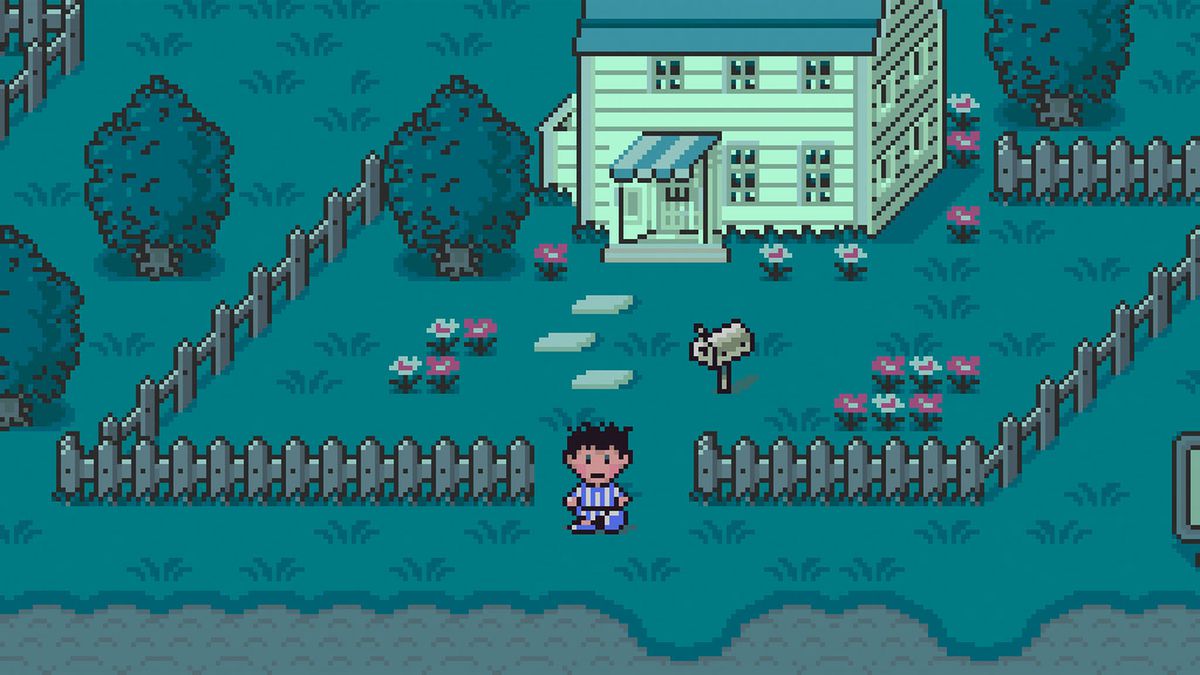
Earthbound, an iconic JRPG originally released for the Super Nintendo, has had a lasting effect on video game culture thanks to its charming dialogue and innovative localization process. Under the direction and script of Shigesato Itoi, known as Mother 2 in Japan, the game has not only delighted players in its home country but has also solidified its place in video game history worldwide. A masterpiece made possible by its translators The success of Earthbound in the English-speaking market can be largely attributed to the […]
Earthbound, an iconic JRPG originally released for the Super Nintendo, has had a lasting impact on video game culture thanks to its charming dialogue and innovative localization process. Under the direction and script of Shigesato Itoi, known as Mother 2 in Japan, the game has not only delighted players in its home country but has also solidified its place in video game history worldwide.
A masterpiece made possible thanks to its translators
The success of Earthbound in the English-speaking market can be largely attributed to the meticulous localization work carried out by Masayuki Miura and Marcus Lindblom. Miura, who dictated the original script to Lindblom, ensured that the nuances and humor of the original text were effectively translated so that players could enjoy the game without losing the essence of its jokes and cultural references. “If I said something strange, he didn’t just write it down. He would stop and ask me to clarify,” Itoi explained about his collaboration with Miura.
Although Itoi did not directly supervise the English translation, he expressed satisfaction with the changes made, emphasizing that his only wish was for the audience to enjoy the work. However, video game localization has sparked mixed reactions, especially among purists who criticize any modifications to the dialogue. Itoi shared that a very beloved example among Japanese fans of the game is the famous change of a line that referred to Heidi, transforming it into a reference to a Beatles song, XXXterday.
This less rigid approach to localization has allowed Earthbound to continue being acclaimed as one of the best JRPGs ever created, attracting a passionate fanbase worldwide. Ironically, although Lindblom did not write that famous line, the initial translations set the tone for his work, highlighting the impact that the localization process had on the game’s success.
Today we are going to talk about the two members of the most famous group in history that time forgot: Pete Best and Stuart Sutcliffe.
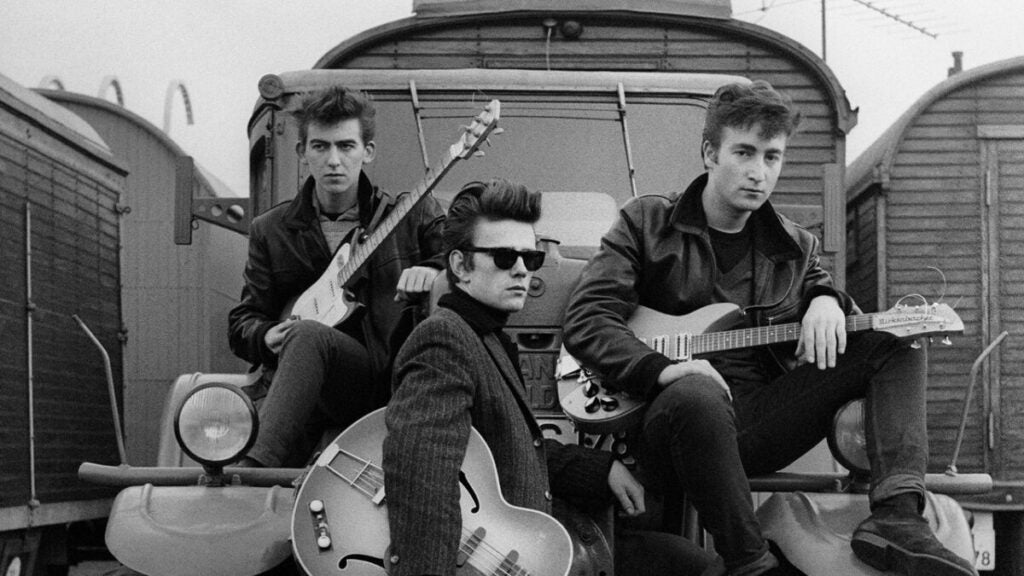
The BTS of the 1960s. They only lasted ten years, but they forged a legend that lasted forever in the world of music: John Lennon, Paul McCartney, Ringo Starr and George Harrison were The Beatles, who need no introduction. Or, on the face of it, maybe they do. Because before this quartet dedicated themselves to triumph wherever they went, there were two other people who remained at the gates of stardom. Today we are going to talk about the two members of the most famous group in history that time forgot: Pete Best and Stuart Sutcliffe.
When The Beatles began to emerge, even before they had their official name (they called themselves Beatlas or Silver Beetles, as a tribute to Buddy Holly’s group, The Crickets), the quartet was a quintet. Originally the bass player was none other than Stuart Sutcliffe, a personal friend of John Lennon’s who accompanied them in their first rehearsals and on their first tour of Hamburg bars in Germany… until he fell in love.
Between gigs, Sutcliffe met Astrid Kirchherr, a 22-year-old photographer with whom he fell madly in love. In fact, in just three months they were already proposed in marriage, he left The Beatles and devoted himself to studying art in Hamburg for the rest of his days. Which, sadly, were not many: on April 10, 1962, the fifth Beatle died of a cerebral hemorrhage in Kirchherr’s arms.
The photographer’s life never stopped being linked to The Beatles: she took the behind-the-scenes photos for ‘What a night that day’ and ended up married to Gibson Kemp, the drummer who replaced Ringo Starr when he left his original band (Rory Storm and The Hurricanes) to go with the beats of the day. But, by the way, who did Starr replace in The Beatles?
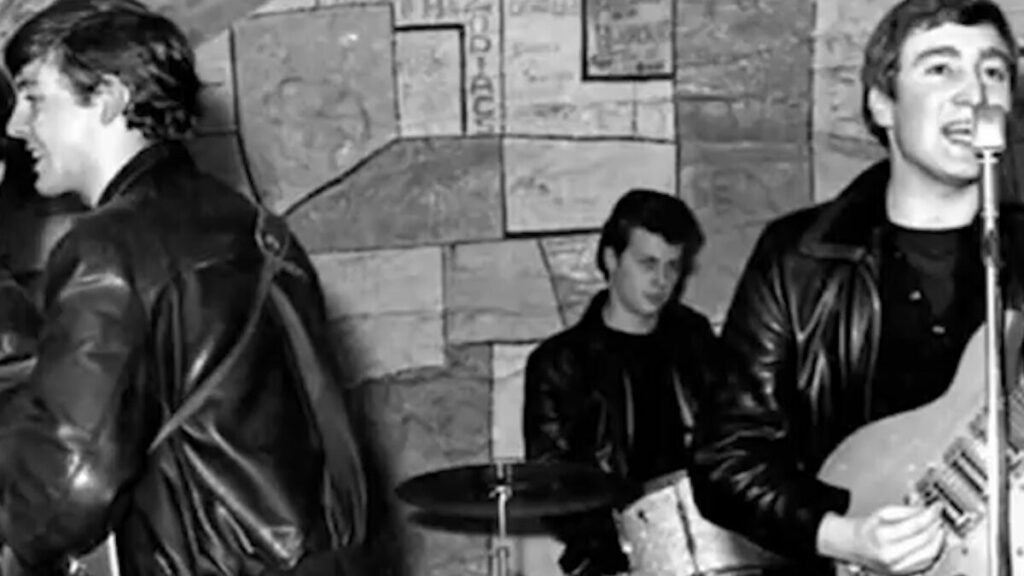
We go back to the Hamburg tour, when they were still a musical quintet… looking for a fifth member. And the fact is that none of the drummers they tried out worked out until, finally, they found someone who had the necessary qualities (to exist and to want to play with them): a certain Peter Best. If his surname said so, there was a reason, wasn’t there? Best joined The Beatles the night before their first concert in Hamburg and would accompany them for two years.
In fact, he was the only one who spoke German, so he became a key part of the team on that 1960 tour, especially since his mother served as semi-manager: she was the one who chose their accommodations from Liverpool and who got his equipment back after he stayed in a bar in Hamburg. How did they pay him back? Well… by kicking him out. Because his style was too noisy: during the recording of his first album, his manager decided to change his track to someone more experienced.
When the rest of the group found out what had happened, they got nervous and decided to ask their manager to fire him. And it cost him. Boy, did it cost him. Imagine the situation for a moment: Best was the most popular Beatle at the time, helped win fans and was absolutely charming. Of course, charming doesn’t mean dumb, and on the day of his last concert, August 16, 1962, he didn’t even show up.
What happened next you already know: Ringo Starr became the fourth Beatle and his success went beyond the stars. But what became of Best? The three members of the group have regretted several times the way they kicked him out and he, already in 1968 and after a suicide attempt, had no interest in talking about the group. In fact, he retired from show business and lived his life until twenty years later, in 1988, he founded the Pete Best Band. Now? He’s married to a Beatles fan, has two daughters, four grandchildren… and is happy. All you need is love.