This is the technique used to calculate the range of electric cars currently

The EPA began testing vehicle fuel consumption in 1971, and those initial tests continue to play an important role…

All cars that come to the market have to certify a series of parameters. For example, their emissions per kilometer or their safety in accidents.

Tesla DOWNLOAD

Autonomy is another one of those key values that manufacturers must provide before receiving approval from official agencies. But in this case, they need a third party to validate their tests.

Today we explain how they calculate the range of a car in the United States, whether it is a gasoline or an electric one.

The beginning of EPA mileage tests

The EPA (United States Environmental Protection Agency) began testing vehicle fuel consumption in 1971, and those initial tests continue to play an important role in how modern cars are measured.

The previous year, President Richard Nixon signed the National Environmental Policy Act of 1969 (followed by the Clean Air Act of 1970) and established the EPA with a mandate that included reducing motor vehicle emissions.

Part of the EPA’s plan to reduce emissions was to inform buyers about the amount of fuel a car would consume so they could compare prices effectively.

The tests began with a route called the Federal Test Procedure. The EPA adopted an 11-mile (18 km) route that was originally made on real roads in Los Angeles. The route had an average speed of 34 km/h (21 miles per hour) and a maximum speed of 90 km/h (56 mph). Exhaust emissions were measured, fuel consumption was calculated, and the “city” fuel consumption rating was born.

When the 16 km (10 mile) road consumption test was added in 1974, the tests were conducted on a laboratory dynamometer. Conducting the tests on the power bench made them more consistent and easier to repeat, although it was not perfect.

Over the years, small changes and adjustments were introduced, but the most important change was announced in 2005. That year, the EPA announced changes to the test to adapt it to new highway speeds, take into account the use of heating and air conditioning, and make it more in line with real-world driving.

The drivers were not able to achieve the published figures, and the EPA wanted to fix it. The system was introduced for the 2008 model year and is largely the one we use today.

Electric cars autonomy test

Nowadays, car manufacturers have two different testing options for electric vehicles.

The manufacturer may decide to perform a “single cycle” test. In this test, the car goes through the EPA urban cycle over and over again until the charge is depleted, and then does the same for the highway cycle, starting with a full charge. The process is repeated to check reliability.

Tesla DOWNLOAD

The alternative is for the car manufacturer to perform a multi-cycle test that completes four cycles in the city, two cycles on the highway, and two cycles at a constant speed.
We already have images of a real accident involving a Cybertruck: Is it unbreakable

The only injury mentioned in the statement provided by the CHP refers to a reported minor injury to the Cybertruck driver, who…

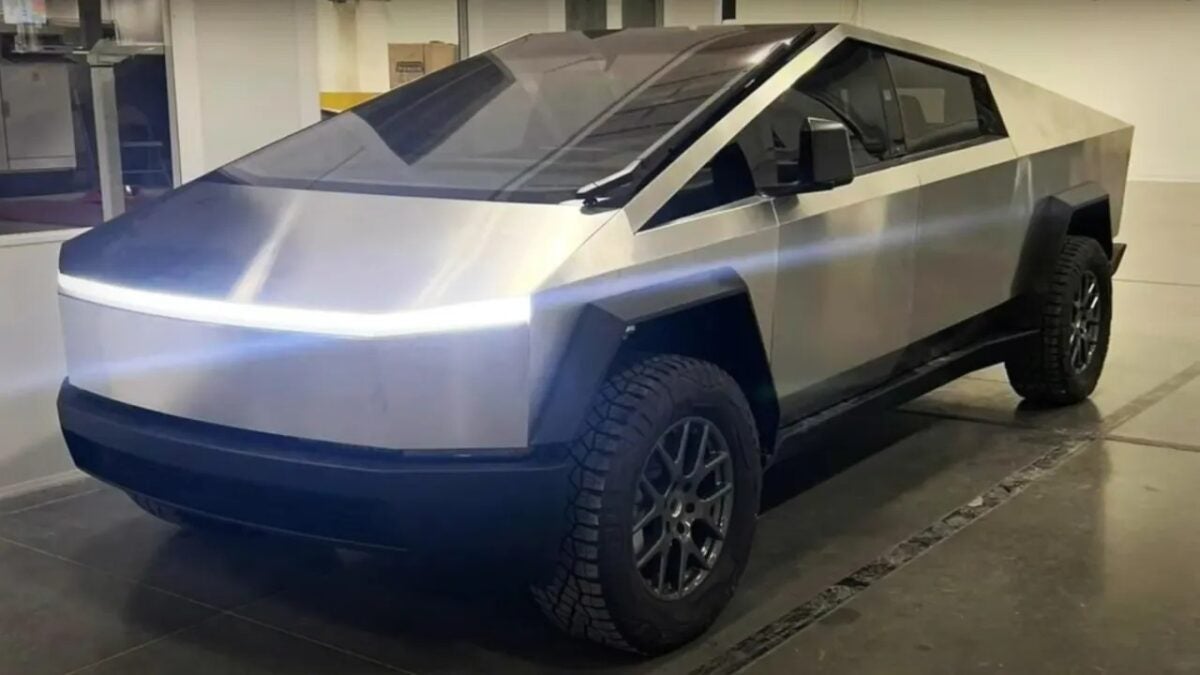
It is the most anticipated and most hated car in the entire automotive sector. Elon Musk promised it would be the most incredible and resistant truck in the world. But it took 5 years to be able to manufacture it. Now it is already circulating on the roads of the United States.

Tesla DOWNLOAD

And since the car is already on the road, it has had to face its first accident. Because on the road we are all equal and accidents are inevitable. For those who were curious, this is how the car looks after its first crash.

A Reddit user has posted two images of a Cybertruck accident, the California Highway Patrol confirmed to The Verge that units responded to a two-vehicle accident in the Palo Alto area. This involved a 2023 Tesla Cybertruck carrying three people and appears to have been hit by a 2009 Toyota Corolla driven by a 17-year-old.

Fortunately, it doesn’t seem that any of those involved in this incident suffered significant injuries as a result. Hence, we can draw conclusions about the question: is the Cybertruck unbreakable?

Head on today on CA-17
byu/boddhya incybertruck

The only injury mentioned in the statement provided by the CHP mentions a minor injury to the Cybertruck driver, who declined medical transport, and states that it does not appear that the Tesla was operating in autonomous mode. The weather is described as cloudy and humid.

The images posted on Reddit show significant damage to the front of the Corolla. The parts that we can see of the Cybertruck do not show the same damage even though the side curtain airbags were deployed. However, we can only see the passenger side.

If we have to trust the photos, the Toyota is wrecked and the Cybertruck hasn’t been damaged at all. This, in terms of injuries, is never positive, since car chassis are designed to deform and absorb the impact, thus preventing the force of the collision from being transmitted to the passengers.

Imagine buying a Tesla and having to pay a $14,000 repair bill in less than 24 hours

Their Tesla Model Y stopped working just one day after paying $55,000 for the new electric vehicle, which had only 115 miles on it at the time of the breakdown…

A few days ago we said that repairing the windshield wipers of the new Tesla Cybertruck could cost as much as a new motorcycle. Now we know that a factory car valued at $55,000 can come with a breakdown that costs you as much as a car.

Tesla DOWNLOAD

Buying a new car and receiving a $14,000 repair bill less than 24 hours later seems like a nightmare scenario and frankly highly unlikely. It could even ruin you.

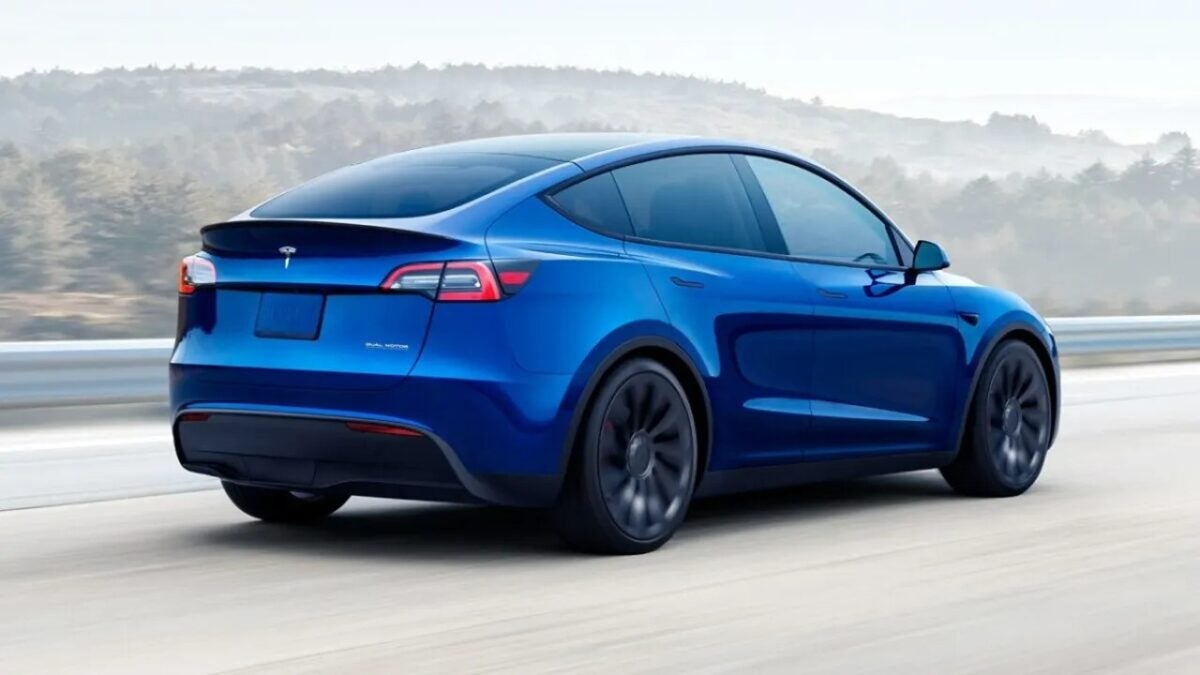
However, this is exactly what happened to an unfortunate buyer of the Tesla Model Y, highlighting one of the several quality issues that the car manufacturer is more aware of than it seems.

A story that scares Christmas shoppers

Shreyansh Jain explained to Reuters that his Tesla Model Y stopped working one day after paying $55,000 for the new electric vehicle, which had only 115 miles on the odometer at the time of the breakdown.

After slowly turning in his neighborhood, the front right suspension of the vehicle sank. Jain lost control, some parts of the car scraped the road loudly and it stopped.

The vehicle repair took almost 40 hours of work in the workshop. Among other things, the suspension had to be rebuilt and the steering bar replaced. Initially, a worker sent a text message to Jain to tell him that they had not found “evidence of external damage” and hinted that Tesla would pay for the car repair, which would be expected in the case of a new car.

The final cost amounted to $14,000 and the company refused to pay attributing the incident to a “previous” damage in the suspension.

Jain had to pay a deductible of approximately $1,250 for his insurance company to cover the work, which dramatically increased the rates of another car he owned after the accident.

The experience led the former Tesla lover to sell his recently repaired Model Y for $10,000 less than what he paid for it.

A Tesla problem called quality control

Reuters writes that it reviewed Tesla documents and interviewed more than 20 customers and nine former Tesla service managers or technicians. And it was discovered that Jain’s incident was one of thousands of similar cases related to relatively new vehicles dating back at least seven years. They cover the entire range of Tesla vehicles worldwide.

Elon Musk has admitted that Tesla vehicles can leave the factory with quality issues, many of which were detected in the Model Y during 2020.

It’s especially common when production ramps up. “When you go faster, you discover these things,” Elon Musk told engineer Sandy Munro in 2021. “If we knew them beforehand, we would fix them beforehand.”

The agency announced this month a recall of all vehicles that the company has sold in the United States due to failures in the autopilot system.

Tesla wants to create the wireless charger for cars and we think it’s a terrible idea

The vehicles must be equipped with a secondary component to allow wireless charging, which adds additional weight that, in turn, should…

Tesla seems to have accidentally confirmed that they are working on a technology that will allow future Tesla models to be wirelessly charged, using inductive technology.

Tesla DOWNLOAD

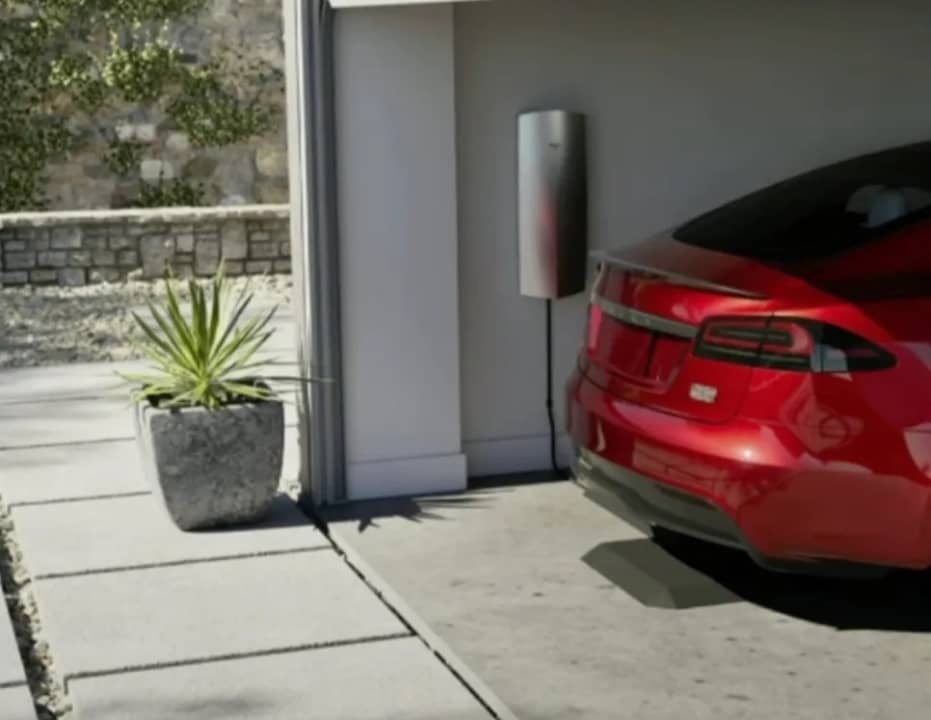
Instead of making the announcement through a press release, the information was subtly dropped in an interview with Jay Leno (via Electrek), in which Tesla’s chief designer, Franz von Holzhausen, told the former Tonight Show host: “We are working on inductive charging. At that point, you don’t even need to plug anything in. You just drive over the pad in your garage and start charging.”

This leak seems to corroborate previous mentions of said technology. Speculations about wireless charging arose when Tesla teased a charging platform during its Investor Day in March of this year.

An image of a Tesla parked on a mat in a garage appeared on the screen, as well as an image of the company’s upcoming Diner project in California.

If we connect the dots, it seems that Tesla is considering installing inductive charging at its next leisure destination, which makes sense considering that the cars that come to the Drive-in Supercharger station will be parked for several hours.

A really bad idea, from an efficiency standpoint

As with many of Tesla’s “revolutionary” technologies, it is not the first time we have seen them applied to the world of automobiles. BMW announced its Wireless Charging Pilot Program back in 2018.

That being said, there have been a number of issues that have hindered the widespread adoption of wireless inductive technology so far. Unlike smartphones, which are easy to position for wireless charging, electric vehicles have to be parked with utmost precision.

Secondly, vehicles must be equipped with a secondary component to allow wireless charging, which adds additional weight that, in turn, drastically affects the proposed autonomy of an electric vehicle.

Finally, the charging speeds are unfortunately slow, as BMW’s innovation only reaches 3.2 kW. That’s fine for an extended overnight charge in a garage, but it’s not suitable for public charging.

Tesla DOWNLOAD

Taking this into account, is it really so difficult to grab a physical cable and plug it in? It seems that Tesla thinks so, and it is likely that they will charge a small fortune for offering this technology as an optional extra when it finally goes on sale. And we’re not talking about the energy lost when transmitting it wirelessly.

Repairing the windshield wipers of your Tesla Cybertruck will cost more than a motorcycle

Meanwhile, the side windows of the truck, merely baseball-proof, should cost between 225 and 260 dollars per glass.

It is the most anticipated car of the last five years. Since Elon Musk presented it, with a broken window included, the delays and problems that have arisen around its design and production seemed to foreshadow the worst. However, five years later, the Cybertruck is real.

Tesla APK DOWNLOAD

The replacement of the Cybertruck windshield wiper could cost as little as $165 for the arm and blade set, or $75 for the blade itself.

And if we have to replace the entire electrical and internal system of the windshield wipers, the figure almost reaches $2,000. Yes, you read that right, the price of a 125cc motorcycle.

Every Cybertruck news makes it clear that everything in it is going to be expensive

That’s what the famous Tesla insider, Nic Cruz Patane, says. He seems to have been browsing through Tesla’s parts catalog for the Cybertruck. The difference with the rest of the journalists is that he seems to have access to the prices of each part.

The complete windshield of the Cybertruck will also be replaceable, of course, and it will cost you a whopping $1,900, assuming these prices are accurate and assuming they are consumer prices rather than internal prices.

Meanwhile, the truck’s side windows, which are merely baseball-proof, should cost between $225 and $260 per glass.

With all this, what we can conclude is that any change or repair of the Cybertruck will cost a fortune. In some way, Elon Musk has to compensate for the losses he claims to have for each car sale.

Because, since its announcement, the car has been increasing its production cost every year. And right now, one unit costs almost 50% more than what they predicted in 2020. Elon Musk has a problem called Cybertruck.

Tesla will have to review millions of vehicles due to issues with the autopilot system

Authorities have urged the company to inspect more than two million vehicles.

The United States doesn’t seem very certain about Tesla’s autonomous driving system. According to the National Highway Traffic Safety Administration (NHTSA) in the United States, Tesla’s well-known autopilot doesn’t ensure that drivers remain attentive at the wheel. As a result, authorities are urging the company to review over two million vehicles.

Tesla DOWNLOAD

The models affected by these system driving flaws encompass, almost entirely, those sold in the United States. These include the Model X, Model S, Model Y, and Model 3. Cars manufactured between October 5, 2021, and December 7, 2023, are also not exempt.

The lack of safety in the autopilot system was confirmed after a two-plus-year investigation by the NHTSA. Since 2016, authorities have initiated over 40 investigations into accidents involving Tesla cars, with up to 19 recorded fatalities. In many of these incidents, the autopilot’s assistance played a decisive role.

According to the notification issued by the NHTSA, when the Autosteer automatic steering system is activated and the driver doesn’t maintain control of the vehicle, “it may increase the risk of collision.”

The autopilot has been one of Tesla vehicles’ most eye-catching features. To operate, cars are equipped with eight cameras capable of providing a 360-degree panoramic view, reaching distances of up to 250 meters. As stated on the official website, the autopilot allows the car to “steer, accelerate, and brake automatically within a lane.”

Fortunately, Tesla owners won’t need to take their vehicles anywhere for fixes. Documents released by the NHTSA state that Tesla itself will issue a software update to address the Autopilot issues.

Tesla DOWNLOAD

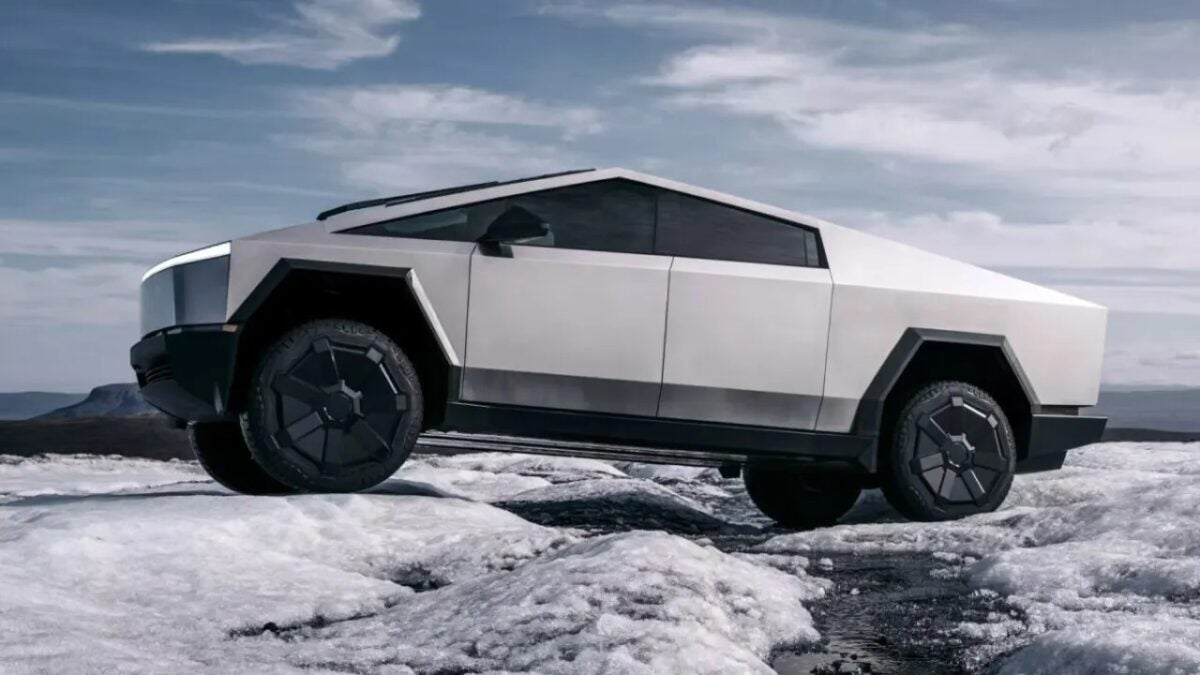
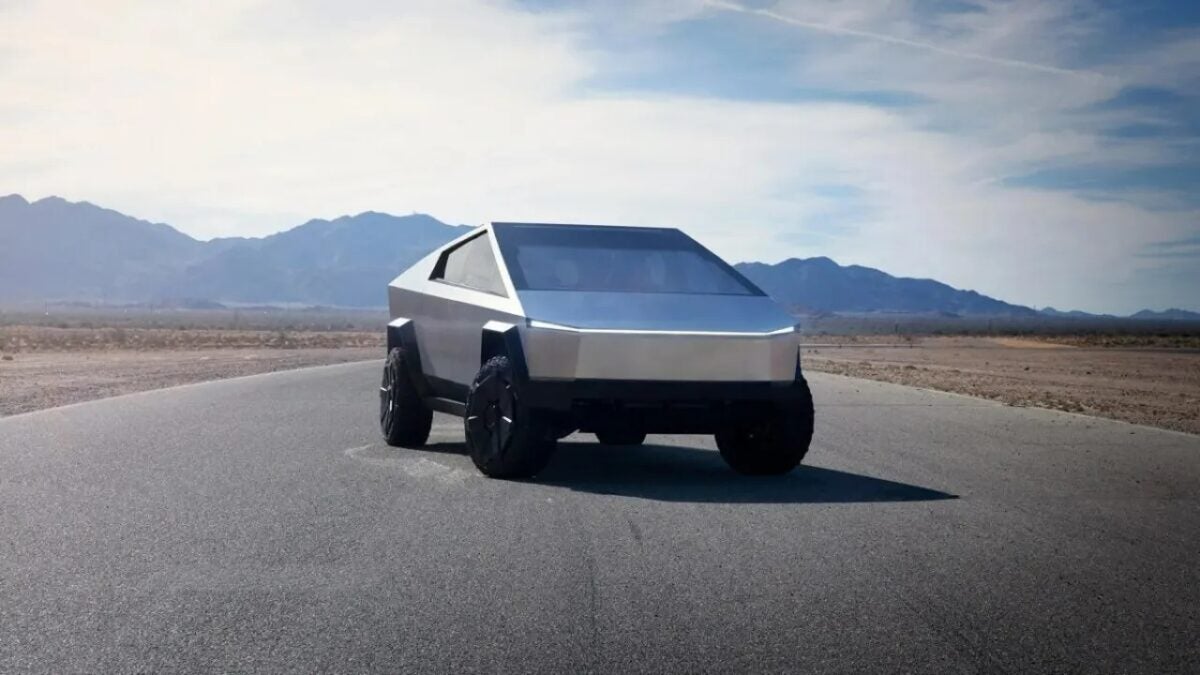
And four years later, it became a reality: the six key features of Tesla’s Cybertruck

You’re not dreaming: The Tesla Cybertruck is now available. However, the meaning of “available” is subjective. At an event held in Texas…

Elon Musk unveiled the car in 2019, and in 2020, he took to the stage to throw a rock at the window, which didn’t go as planned. Since then, the news about Tesla’s electric vehicle has been consistent: the Cybertruck is facing delays.

Tesla APK DOWNLOAD

You’re not dreaming: The Tesla Cybertruck is already available. However, the meaning of “available” is subjective. At an event held at its Gigafactory in Texas, Tesla delivered its first Cybertruck vehicles and revealed the price and finishes of this steel SUV.

But some of the finishes are still not available, and it will take some time before getting the Cybertruck becomes easy, regardless of the finish. Let’s get into it.

How much does the Tesla Cybertruck really cost?

When it was originally unveiled in November 2019, Tesla said the Cybertruck would cost $39,000. However, four odd years have passed since then, and the new actual price might make you cry.

The Tesla Cybertruck starts at $60,990, and that’s for the rear-wheel-drive version, which won’t even be available until 2025.

If you want something that might be available in 2024, you’ll have to opt for one of the other trims: the all-wheel-drive variant starting at $79,990, or the Cyberbeast, a three-motor version starting at a whopping $99,990.

Prices are already available on Tesla’s website, so you can go there and take a look at the figures. But be cautious: Tesla initially lists prices that include “likely savings”; click on “purchase price” to see the actual price.

Can I order my Cybertruck right now and when will I receive it?

Yes, orders have been open for a while, they’re fully refundable, and they cost $250. But placing an order now entails quite a long wait; we believe delivery estimates for 2024 probably only apply to customers who placed an early order.

Also, the car can’t be configured like other Teslas. Instead, you pay $250 for the pre-order, and then you’ll be invited to configure it when your Cybertruck is ready. Some potential additional costs are uncertain at this point, so… brace yourself.

Are the doors of the Cybertruck bulletproof?

More or less. They’re bulletproof against .45″ and 9mm rounds, as shown in this test. As Elon Musk, CEO of Tesla, said, Al Capone could fire a Tommy gun at that door, and you’d survive inside.

But the Cybertruck isn’t truly a bulletproof vehicle like those used by heads of state. The windows, though made with tougher glass than usual, aren’t bulletproof. They won’t be harmed if you gently throw a baseball at them (as was seen during the unveiling event).

What is the range of the Cybertruck?

Yes, with a maximum of 550 km, the range is slightly disappointing. It’s not bad by any means, but considering the size of the Cybertruck and its positioning as an adventure vehicle, we were expecting a bit more.

However, there’s something you can do to extend it, albeit at the cost of space. Tesla offers an autonomy extender that can be installed on the Cybertruck’s platform, providing an additional estimated range of 200 km. But it needs to be purchased separately, and the cost is currently unknown.

Is the Cybertruck faster than a Porsche 911?

Yes, it is. In fact, the Cybertruck can tow a Porsche 911 faster than a Porsche 911 can drive itself (over a short stretch of road).

We don’t know the exact specs of the Porsche 911 used in the video, but it’s still an impressive feat. However, there’s a catch—since the race is really short, the Porsche would be able to overtake the Tesla if the distance were just 500 meters longer.

Tesla will start charging you to charge your car at Superchargers if you meet these conditions

There is no maximum limit on these rates, and they will also apply to owners with free Supercharging. It is unclear whether congestion pricing…

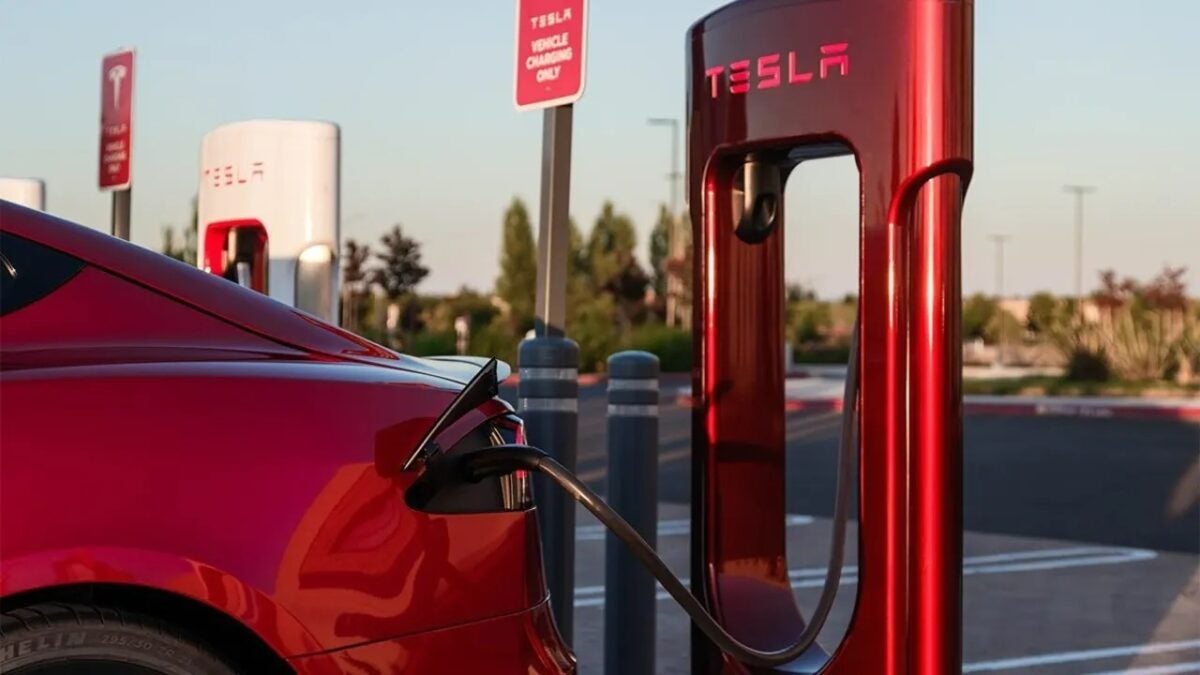
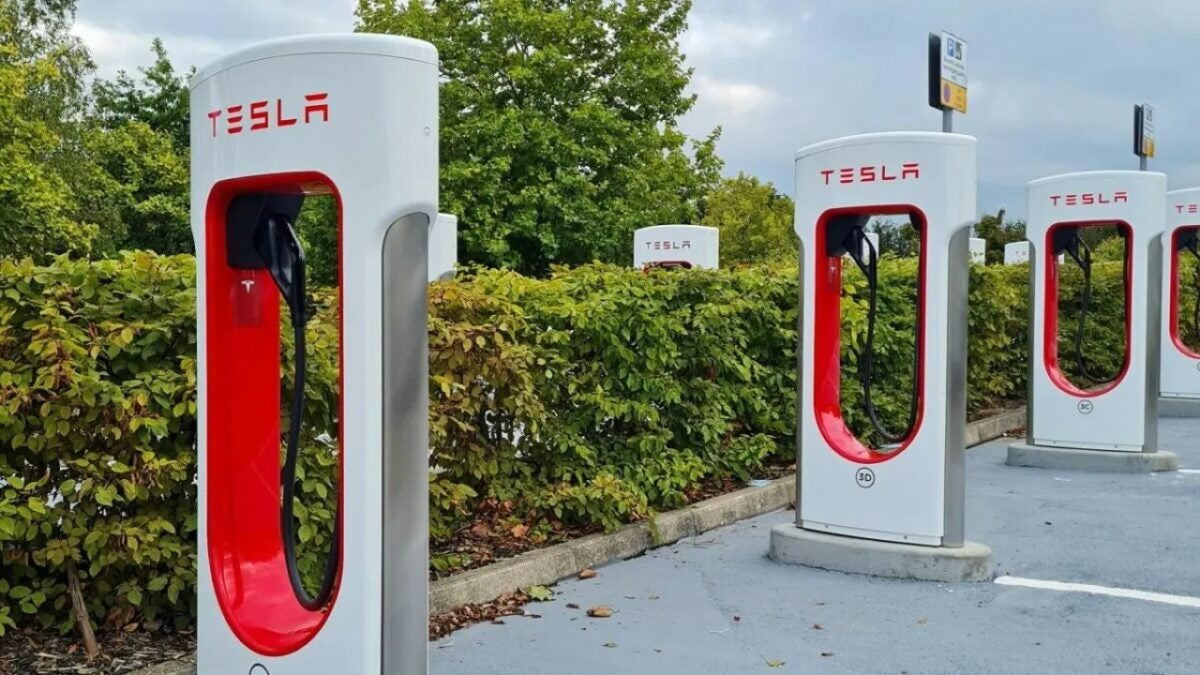
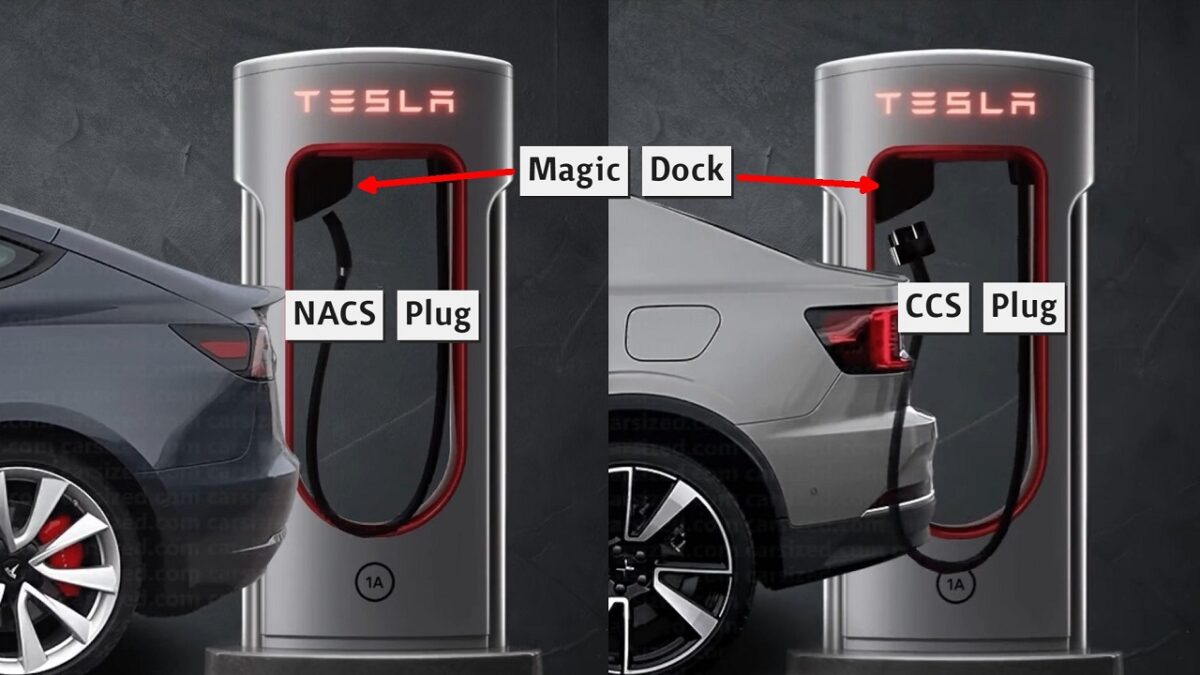
The Supercharger Congestion Fee will charge US drivers $1 per minute for charging their car beyond 90% at “specific Supercharger locations.” That’s how the Magic Dock operates.

Tesla DOWNLOAD

Tesla has introduced a new fee to encourage people not to charge their cars up to 100% at the busiest Supercharger stations. In the US, the Supercharger congestion fee kicks in when a car reaches 90% charge, at which point drivers will have to pay one dollar per minute for every additional minute they continue charging their vehicles.

The company’s support page indicates that the fee will be applied at “specific charging points” when they are busy.

A dollar per minute, the Tesla rate

The launch of the fee comes ahead of Thanksgiving Day in the US, traditionally a time when many people travel to see family.

However, it also arrives at a time when Tesla is opening its Supercharger stations to non-Tesla electric vehicles, which could increase demand on its charging network.

This is Tesla’s latest measure to manage the capacity of its Superchargers. They already charge idle fees when owners leave their cars plugged in after completing charging, and this new congestion fee will replace the idle fee at locations where it’s applied.

At some stations, Electrek notes that the car’s maximum charge will default to 80% to reduce waiting times (although owners needing a full 100% charge can override this default setting).

Batteries tend to charge slower in the last 10 to 20%, and Tesla’s app itself sometimes recommends limiting charge levels to around 80% for daily driving. These limits are often advised to maximize battery health and longevity.

Tesla DOWNLOAD

You’ll know when a congestion fee is about to apply thanks to a notification in the Tesla app, giving you five minutes to unplug the car and avoid getting charged.

There’s no maximum limit for these fees, and they will also apply to owners with free Supercharging. It’s unclear if congestion fees will be applied internationally or when, as Tesla’s support page only includes details for US customers.

It is forbidden to sell your second-hand Tesla Cybertruck: Elon Musk takes a tough stance

Tesla says resellers of the vehicle will need a valid reason and written permission from the automaker… or they could be sued.

We have written a lot about Tesla’s electric truck. And it’s not for nothing, as initially, it was announced as a great revolution in electric mobility. After four years, we only received bad news… and the occasional piece of good news.

Tesla APK DOWNLOAD

Now, and after traversing a long and dark tunnel, Cybertruck buyers may be nervous about the imminent launch of the car. But even now, we have news that is not entirely favorable.

The first buyers of Tesla’s new Cybertruck could be required to pay a $50,000 fine to the automaker if they try to sell the electric pickup during the first year of ownership.

Tesla doesn’t want resale with a car that has cost a lot to produce

The eagerly anticipated Cybertruck will be delivered to the first customers at a special event later this month, although mass production of the vehicle is not expected until 2025.

Aware that some buyers may want to take advantage of the rarity of the Cybertruck, Tesla states that resellers of the vehicle will need a valid reason and written permission from the automaker… or they may face legal action.

The company says that if sold without the manufacturer’s permission, “Tesla may seek injunctive relief to prevent the transfer of title of the vehicle or demand damages in an amount of $50,000 or the value received as consideration for the sale or transfer, whichever is greater.”

And they add that if the customer breaches the terms of the agreement, “they may also refuse to sell future vehicles” to them.

If Tesla agrees that the customer has a valid reason to sell their new Cybertruck within the first 12 months of purchase, the automaker could repurchase it at the original purchase price “minus $0.25/mile driven, reasonable wear and tear, and the cost to repair the Vehicle per Tesla’s Used Vehicle Cosmetic and Mechanical Standards.”

Finally, if Tesla allows resale but refuses to repurchase, the customer can sell it to a third party, but only after receiving written consent from Tesla.

Tesla APK DOWNLOAD

Tesla explains to us how its Magic Dock charging system works

Tesla is rolling out its Magic Dock charging systems across North America, presumably to open up its network to as many people as possible…

Tesla has done a lot for the electric mobility sector, no matter how you may feel about Elon Musk. That’s why today we’re going to talk about the Magic Dock, Tesla’s new charger that promises to solve the current compatibility problem.

tesla DOWNLOAD

While many U.S. electric vehicle manufacturers have aimed to adopt Tesla’s North American Charging Standard (NACS), there are still many users driving vehicles equipped with a mixture of Combined Charging System (CCS) and SAE J1722 connectors.

This poses a problem, as electric vehicle owners have to carry the right set of adapters with them or risk using only car-compatible charging stations, which is not a recommended solution.

An invention by Tesla to solve a real problem

Tesla’s Magic Dock is here to save drivers and has been hailed as an electric vehicle accessory that will change the game, as the new charging station can easily transform into an NACS to CCS or NACS to J1772 connector when the user unlocks it.

According to Electrek, a recent patent application reveals more details about the internal operation of the Magic Dock system, but as is the case with many patent applications, the language is nearly impossible to decipher.

From what we can deduce, the system detects the adapter enclosed within the Supercharger housing when not in use and connects automatically when the user selects it, rather than relying on the user to insert it (potentially incorrectly) or, worse, having the connector stolen.

Considering that many U.S. manufacturers are going to switch to NACS next year, there may not be much need for a Magic Dock system as we move towards the next generation of electric vehicles.

In any case, Tesla is rolling out its Magic Dock charging systems across North America, presumably to open its network to as many electric vehicle owners as possible.

tesla DOWNLOAD