No game is eternal, so at some point it is necessary to stop. Even with games that continue to be updated after their release, there comes a time when they must come to an end. It doesn’t make sense to constantly update a game, as there will eventually be nothing more to add. There will be no one to add it or for whom to add it. That’s why ending on time, as Dead Cells has done, is a virtue.
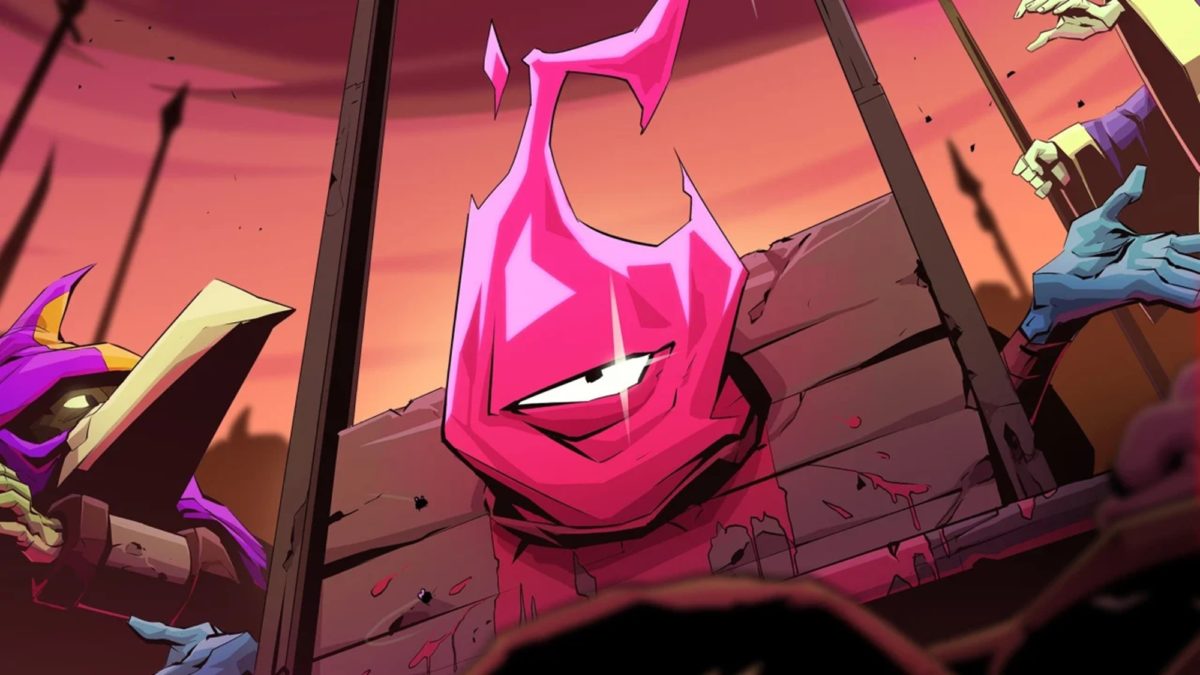
Dead Cells has announced its end with its thirty-fifth update, named The End is Near. They have added new enemies, weapons, mutations, and biome effects, expanding mutation mechanics, and numerous accessibility options and cosmetic elements, making it one of the greatest updates to say goodbye to.
All of this has not happened without controversy. When Evil Empire, the studio in charge of keeping Dead Cells updated, announced that they were going to stop the updates, Motion Twin, the original development studio, came out saying that it seemed too soon, and in a hasty manner. Similarly, Sebastien Bénard, former designer of Dead Cells and who left Motion in 2020, sided with Evil Empire, indirectly accusing Motion Twin of being driven by greed.
Despite this conflict, it doesn’t seem like any of the parties involved are doing badly in a post-Dead Cells world; they all have projects that should see the light of day throughout 2025. Evil Empire is working on The Rogue Prince of Persia, Motion Twin on Windblown, and Sebastien Bénard on Tenjutsu. All of them are roguelites, although the first one is more focused on platforms, the second one more on 3D action, and the third one more on 2D action.
Published in May 2017 in early access, with versions for PlayStation 4, Xbox One, Switch, PC, iOS and Android, Dead Cells has exceeded ten million copies sold. These are spectacular figures for an indie game that, controversies aside, demonstrate the excellent work done by everyone involved. Even if there will be no more updates, the game has more than enough content to be considered one of the greatest games in history.