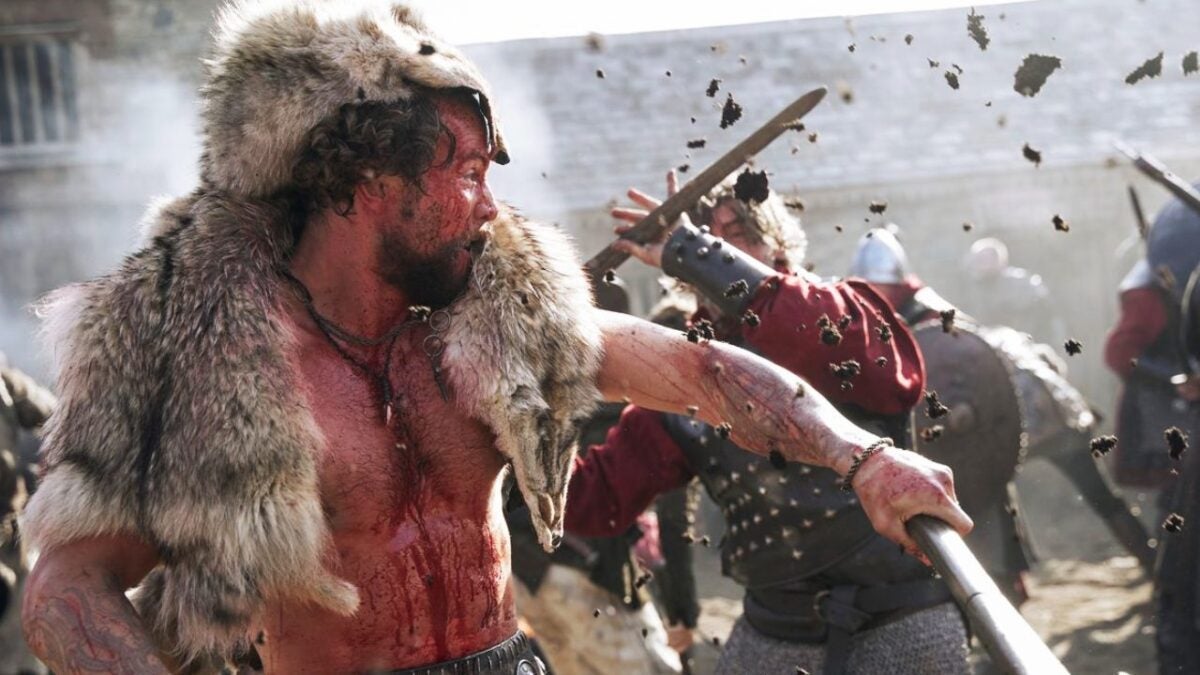
The series Vikings: Valhalla, successor to the popular Vikings, was canceled in its third season by Netflix due to an audience below expectations, leaving fans without a satisfactory conclusion. The showrunner Jeb Stuart had ambitious plans to expand the narrative for up to six seasons, thus allowing for a deeper development of characters and plots that, unfortunately, did not come to fruition.
In the streaming era, it is very difficult to tell long stories
Despite the fact that the series closed some arcs —particularly that of Harald, who becomes king of Norway—, many stories remained open. Characters like Leif and Freydís, who embark on an adventure to Vinland, saw their stories simplified compared to the complexity of historical accounts. Leif’s journey, for example, was much less heroic than what the series presents, being part of a saga marked by contradictions and a lack of interaction with the native populations he encountered.
The figure of Harald, who had a tragic royal trajectory, was filled with ambitions of conquest that were thwarted, culminating in his death in battle. This historical aspect, which could have been an interesting narrative focus for future seasons, was rendered ignorable after the premature conclusion of the series. The death of King Canute, another significant event, left England in a state of great political instability, a theme that could have served as a backdrop for new conflicts and characters, such as Emma of Normandy, who became fundamental in the narrative of the time.
In the streaming era, it is increasingly difficult for series to conclude with an appropriate ending, as happened with Vikings, which managed to finish its planned story. Vikings: Valhalla is another example of how the audience and the content strategy of streaming platforms can affect the continuity of narratives that deserved to be explored further.