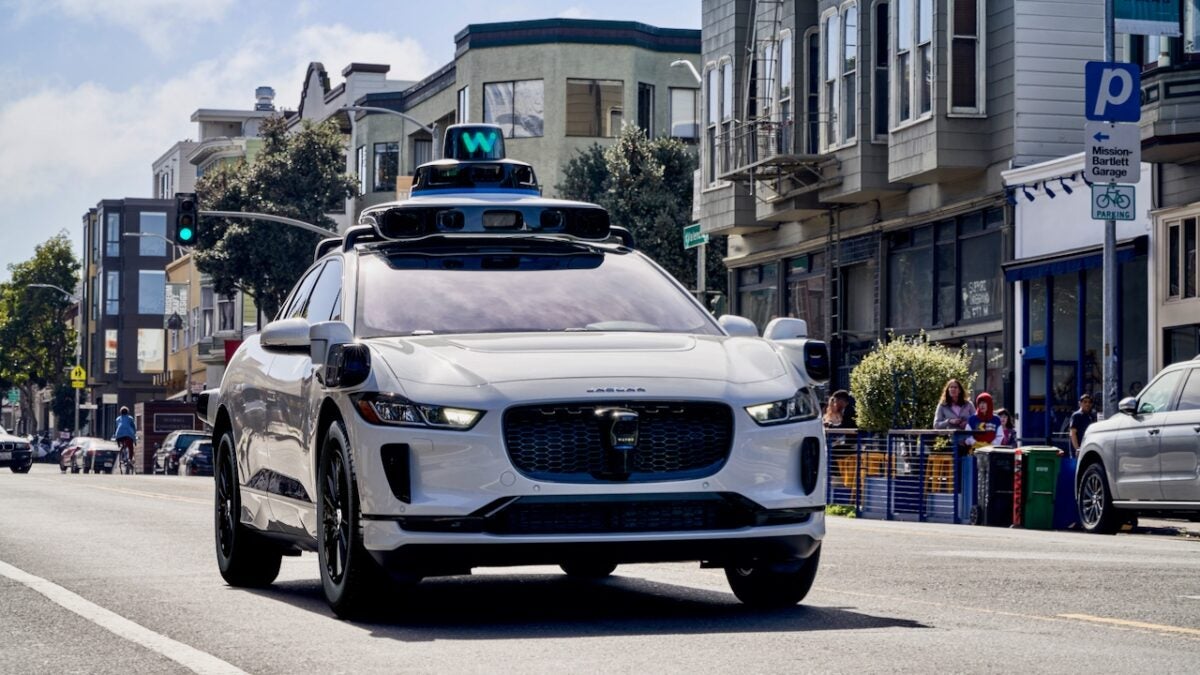
Ashok Elluswamy, Tesla’s head of AI and self-driving, made headlines recently by acknowledging that the company’s autonomous driving program is “a couple of years” behind Waymo.
In an unusually candid interview, Elluswamy emphasized that while Tesla adopts a more cost-effective approach using Level 2 driver assistance systems, Waymo has already established itself with Level 4 autonomous capabilities.
Currently, Tesla’s Level 2 systems require constant driver supervision, which starkly contrasts with Waymo’s full autonomy achieved through its advanced technology.
Tesla Admits It’s Years Behind Waymo in Autonomous Driving Race
Elluswamy’s comments reflect a notable shift in Tesla’s narrative, especially considering CEO Elon Musk’s previous downplaying of Waymo’s advancements. Nevertheless, he believes Tesla’s significant production scale—over one million vehicles annually—will ultimately provide a competitive advantage in terms of operational costs.
As Tesla gears up for its pilot program in Austin next month, it plans to introduce Level 4 autonomy through a specially designed software for geo-fenced areas, a step that Waymo has already been executing in multiple markets, completing over 250,000 paid rides per week. This operational head start places Waymo firmly ahead in the race for autonomous ride-hailing services.
However, Tesla’s teleoperation plans might play a crucial role in their journey towards autonomy. Elluswamy hinted at a “high level” of teleoperation in its pilot program, which could reduce operational costs. In contrast, Waymo employs a different strategy, often utilizing a teleoperator-to-car ratio that enhances efficiency.
As the two companies continue to vie for dominance in the autonomous vehicle sector, Tesla’s upcoming initiatives could signal a shift, but widespread optimism remains cautious. Observers can expect the true test of Tesla’s ambitions to unfold as they attempt to match Waymo’s established operations and technology.