Tesla’s recent challenges are twofold: it has been hit with a 54% tariff on imported battery cells from China, while also experiencing a significant drop in electric vehicle deliveries.
In the first quarter of 2025, Tesla delivered 336,000 vehicles—40,000 units fewer than anticipated and the lowest number in recent times. This downturn coincides with a dramatic acceleration of tariffs from the Trump administration, which has made its energy storage business increasingly vulnerable.
Despite the setbacks, Tesla reported a record deployment of 10 GWh in energy storage during the same quarter, solidifying its growth in this sector. The company primarily uses lithium iron phosphate (LFP) battery cells sourced from CATL in China for its Powerwall and Megapack systems.
Will Tesla Find A Supply Chain Solution Ahead Of Upcoming Tariff Hikes?
However, the new tariffs are expected to significantly inflate production costs, inevitably leading to higher retail prices for these products in the U.S.
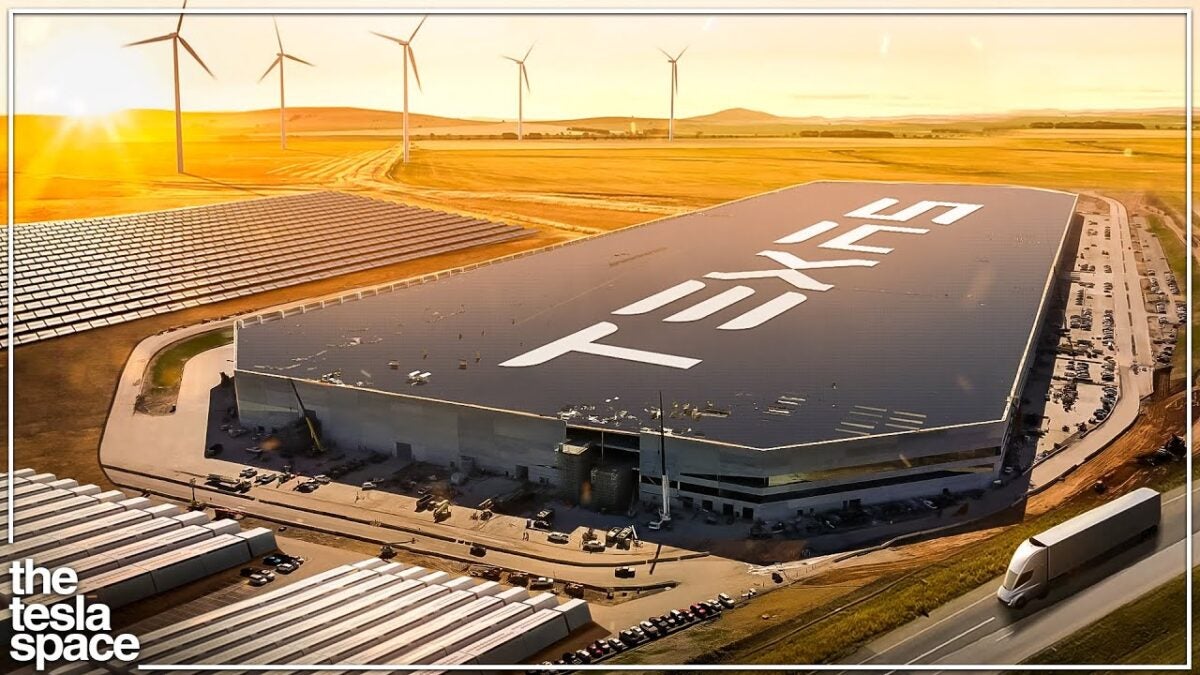
Additionally, Tesla faces mounting competition from CATL and BYD, who are both rolling out competing products using their own LFP battery cells. This intensifies the pressure on Tesla, especially as it plans to build a second Megafactory in the U.S. to bolster production of Megapacks. Nonetheless, the viability of these plans remains uncertain in light of the new tariffs.
Tesla’s reliance on imports to sustain its energy storage business raises the stakes further. With the Biden administration’s previously announced increase to a 25% tariff set for 2026, there’s speculation on whether Tesla can secure a supply chain that shields it from the impacts of these tariffs.
Although plans for a domestic LFP battery plant with CATL were rumored last year, they have yet to materialize. As Tesla navigates this complex landscape, the potential for price hikes on its flagship products looms large, posing a significant risk to its growth momentum in the energy sector.