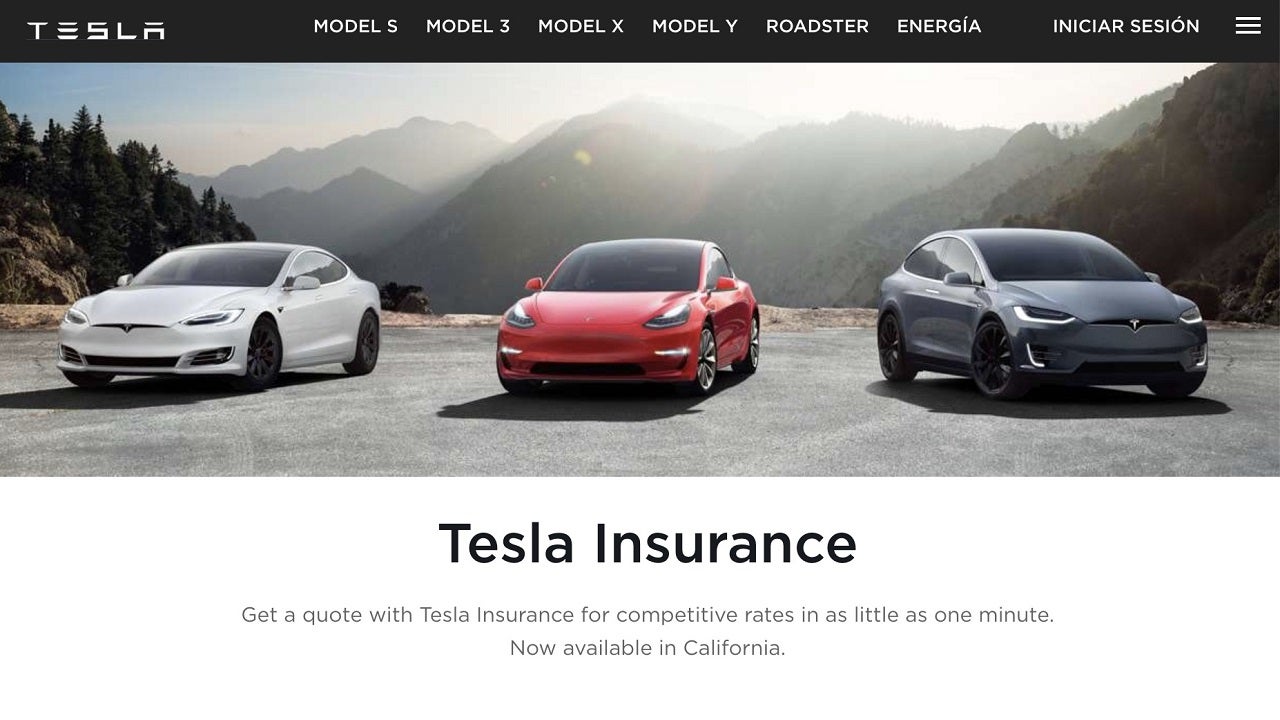
Tesla’s foray into the insurance market is facing significant challenges as recent reports indicate the company is losing money on its insurance products, with a staggering loss ratio of 92.5% in 2023.
This high figure suggests that Tesla Insurance paid out 92.5 cents for every dollar collected in premiums, indicating that the program is currently unsustainable.
The reputation of Tesla vehicles as expensive to insure has been a longstanding issue, with owners reporting mixed results when comparing quotes from Tesla to those of traditional insurers.
Rising Insurance Costs Cast Doubt on Tesla’s Claims of Car Safety
While Tesla has attempted to leverage its knowledge of automotive technology and real-time driving data to offer precise insurance products, this strategy has yet to yield the expected financial success.
To mitigate repair costs, Tesla has established its own “collision centers.” The company argues that its understanding of its vehicles and their technology allows it to provide insurance at better rates.
However, the data paints a different picture: as insurance for Tesla vehicles becomes more expensive in 2025, it raises doubts about the company’s claims that its cars are involved in fewer accidents and are cheaper to repair.
The dual strategies of using a “Safety Score,” which adjusts premiums based on real-time driving behavior, and the incorporation of Tesla’s advanced driver-assistance systems like Autopilot and Full Self-Driving, were intended to attract policyholders looking for savings.
Yet, the recent spikes in insurance costs contradict these assurances, suggesting that if these claims were valid, premiums would decrease instead of rise.
As Tesla navigates these turbulent waters, questions arise regarding the viability of its insurance model. Moving forward, the company must reevaluate its approach if it hopes to turn this segment into a profitable venture rather than a financial drain.