The U.S. Patent and Trademark Office (USPTO) has denied Tesla’s attempt to trademark the term “Robotaxi,” citing that it is too generic.
CEO Elon Musk has long used “Robotaxi” to describe Tesla’s vision for self-driving vehicles, suggesting that these autonomous models will eventually transform the company’s existing lineup, including the Model S, X, 3, Y, and the soon-to-be-released Cybertruck, into fully autonomous ride-hailing services.
However, the term has been widely adopted across the industry, contributing to the USPTO’s decision.
Tesla’s Future Branding at Stake as ‘Cybercab’ Trademark Review Looms
The ruling specifically highlights that “Robotaxi” is not unique to Tesla, as other companies and commentators have employed the term to describe similar autonomous vehicle offerings.
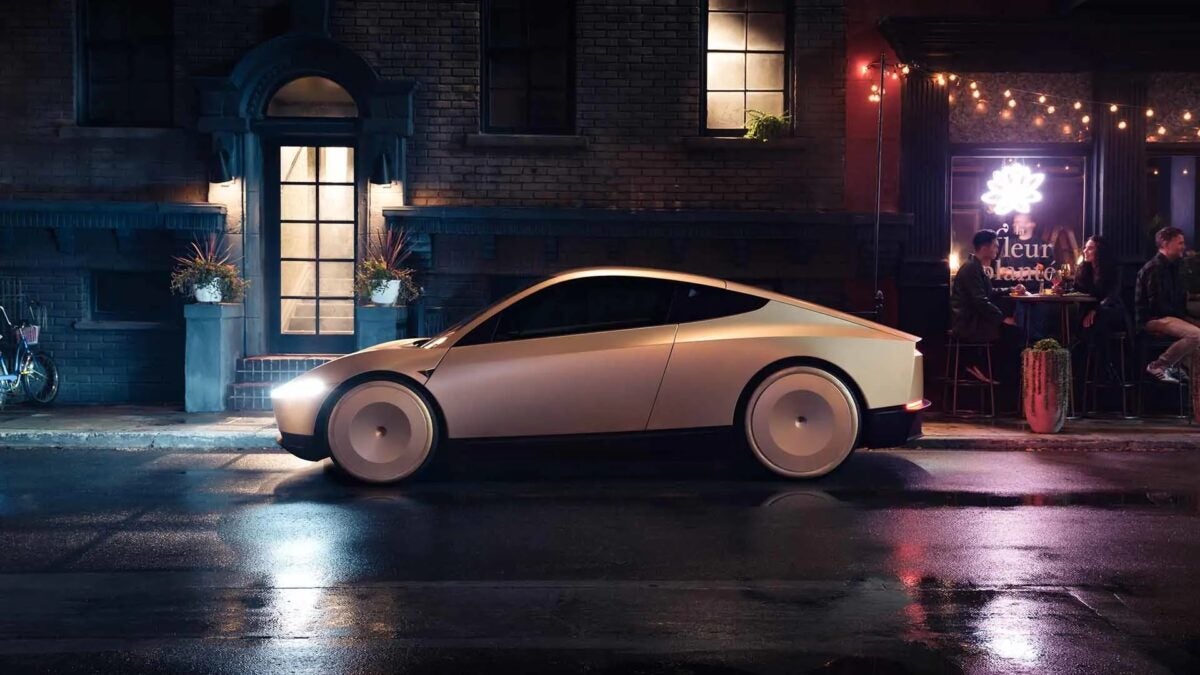
On the heels of the October 2024 “We, Robot” event, where Tesla unveiled a dedicated robotaxi model and a self-driving “Robovan,” Musk himself referred to these vehicles interchangeably, inflating the complexity surrounding the trademark application.
In addition to “Robotaxi,” Tesla has also sought to trademark the terms “Cybercab,” “Robobus,” and “Robovan”. However, the application for “Cybercab” is currently under review due to existing applications that utilize the “cyber” prefix. While the decision against “Robotaxi” is deemed non-final, Tesla retains the option to appeal the ruling.
The success of the “Cybercab” trademark hinges on Tesla’s advances in autonomous driving technology, a feat that remains unresolved as the company continues to work toward achieving full self-driving capabilities.
Industry observers speculate that if Tesla can successfully navigate the trademark complexities surrounding “Cybercab,” it may open doors for the company to establish stronger branding in the autonomous vehicle market.