
Google is taking a step forward in optimizing our sleep by opening the doors of Bedtime Mode of Digital Wellbeing to third-party apps in the upcoming Android 15 update, as reported by Android Authority.
This mode, designed to discourage phone use at night, has been exclusive to the pre-installed Digital Wellbeing app until now. However, with the new Android 15 update, developers will be able to integrate the functionalities of this mode into their own applications, offering users a more personalized experience.

The Rest Mode, available in the Digital Wellbeing app, silences the phone and adjusts the screen lighting to promote a suitable sleep environment. Users can schedule the activation of Rest Mode according to their preferences, either at a fixed time or after a certain charging time. Additionally, they can customize the actions performed when activated, such as enabling Android’s “Do Not Disturb” mode and adjusting screen settings, such as switching to grayscale, activating dark mode, and dimming the wallpaper.
Until now, third-party applications had limitations to control the screen options managed by the Digital Wellbeing application during rest mode. However, with the release of Android 15 Developer Preview 2, Google provided a new public API called ZenDeviceEffects that allows third-party applications to control these screen options more efficiently.
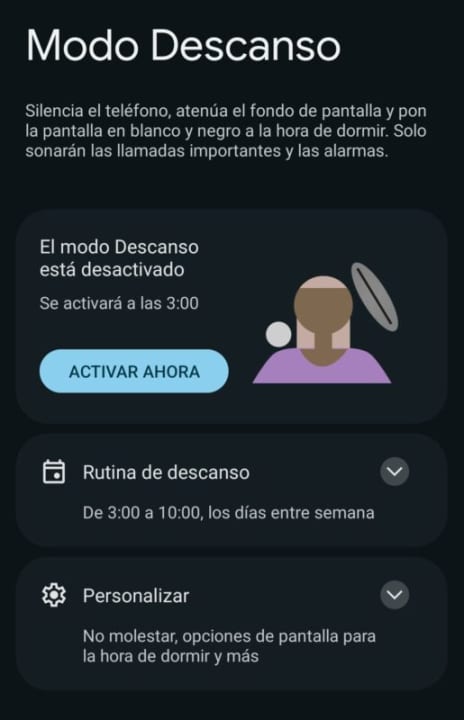
With the support of this (now public) API in applications like Tasker, users will have the freedom to customize their Sleep Mode experience in a more extensive way and in different applications, not only limited to the Digital Wellbeing app. This opens the door to a wide variety of potential uses, such as NFC tag-based activation instead of time.
Although Google has publicly announced the ZenDeviceEffects API in the Developer Preview 2 blog post, they may make modifications before the stable release of Android 15 later this year. The company is expected to expand these capabilities, such as the ability to disable adaptive brightness and other touch interactions, allowing for a more personalized and adaptable sleep experience based on individual user preferences.
