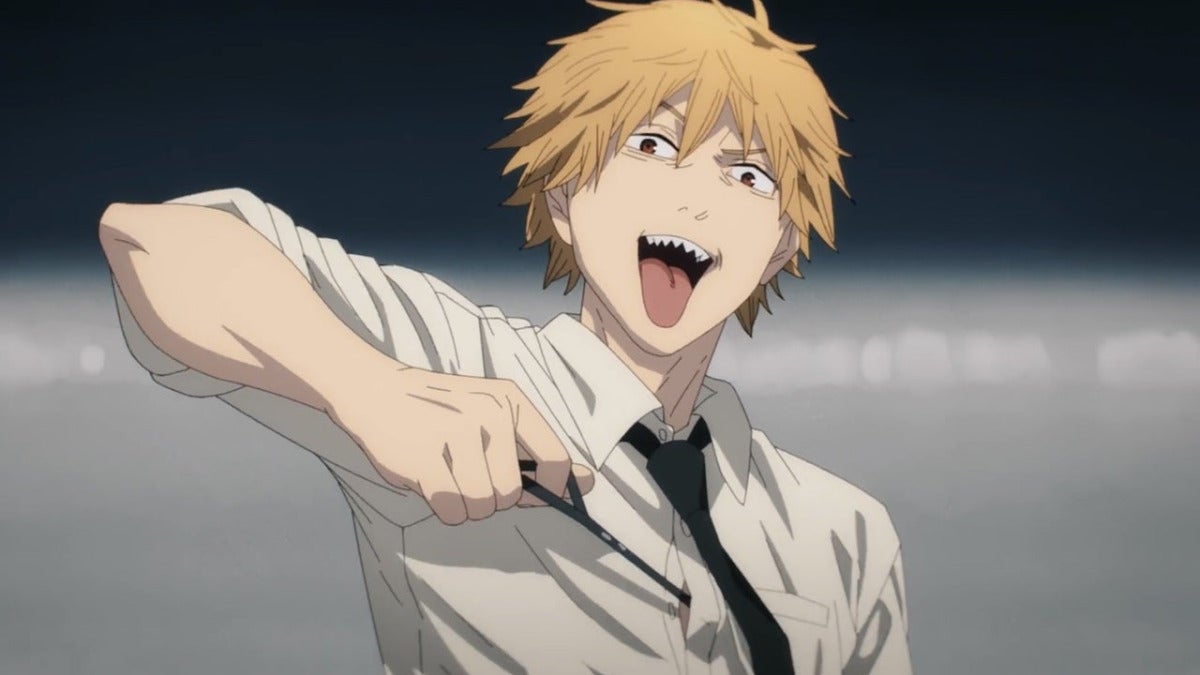
Chainsaw Man is one of the most beloved manga of recent years, but its ending was tremendously divisive. When it concluded on March 25, 2026, there were those who hated it, those who loved it, but in general it gave the impression that it was a strange and rushed ending. Since then there have been a huge number of heated debates over why the ending turned out this way. And its author, Tatsuki Fujimoto, has decided to put an end to all of them by clearing it up once and for all.

The demands of a weekly format
In a conversation with director Kohei Kadowaki, he has revealed some interesting details not only about Chainsaw Man, but about what working on a manga entails. Declaring that “when you have to draw 19 pages in seven days, you don’t have time to write the plot first. When I do self-contained chapters, I write the plot before doing the storyboard. But when you’re on a series, there’s no time for that, so I have to go straight to sketching. That’s why he has said that “you’re so overwhelmed by deadlines that you have no choice but to trust the characters and grab onto whatever’s nearest”.
That would explain why Chainsaw Man’s ending is so abrupt and inelegant, compared to his self-contained manga. Without actually having the time to write the plot first, he simply went with it and trusted the characters to see how far he could get. That’s why, although it’s a good ending with some interesting implications, it lacks the emotional impact that his shorter stories do have. As he himself put it, “with self-contained stories, you have space to reflect deeply and be in dialogue with the story; in fact, that’s what makes them fun”.
But at the same time, he says that his inspiration was The Big Lebowski. He described it as a film where “nothing gets resolved, nothing has any purpose,” adding that “that’s the kind of feeling I want Chainsaw Man to leave readers with”. So it seems that, deep down, Fujimoto has achieved exactly what he wanted.
