It all started with a video in which a girl was complaining on Stories that she’d only had one month of vacation instead of three, “like everybody else.”

And then, the internet exploded.
The ads, the vacations in cute little hotels at all costs, the videos complaining about politics when they literally haven’t lifted a finger for what they say they defend…
The digital equivalent of storming the nobles’ castle with pikes and torches and demanding the influencers’ heads.
Things got so bad that even the influencers themselves started passing the buck, calling themselves “content creators” and calling for the fall of “the bad ones”.
Meaning, the ones who aren’t them.
A pathetic spectacle (on their part) that in the end has amounted to… anything?
The Bad Guys’ Moment
In the end, it all evens out.
Maybe you follow them just to laugh at them, or because you really believe that anti-wrinkle cream is the one they use at night, or because they’re like part of your family.
The “fall” of influencers, when it comes to looking at the numbers, has been a small bump in the road that is a warning sign for the future: not everything is fair game.
Be careful.
Obviously, it’ll matter very little to María Pombo or Lola Lolita, but, indeed, there are a few accounts it has really hurt.
Not enough to leave them without ads, though.
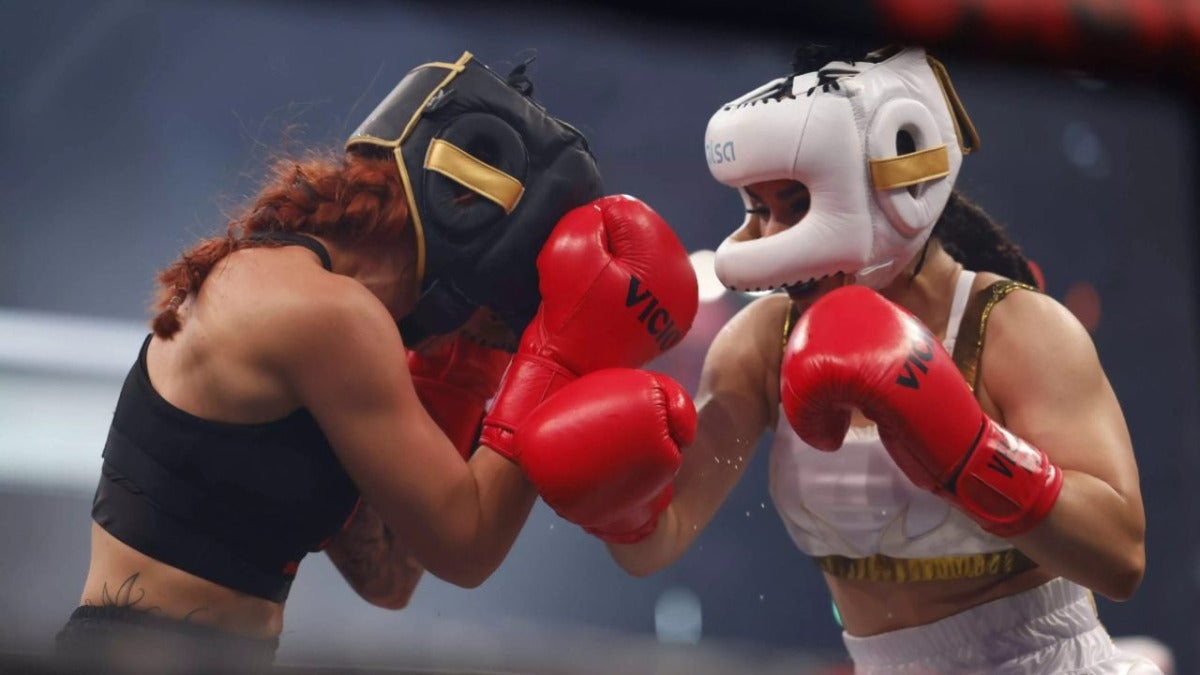
RoRo, after the Velada, has lost 827,000 followers, a 5.5% drop that should have brands a little on edge: why collaborate with someone in the middle of a decline?
That’s what everyone who wants to work with Aruberuto Makoto should be asking themselves too, the first influencer to screw up after the famous “fall”, which proves this post’s thesis: people aren’t going to let another one slide.
Since he tried to cross a line with a stranger in Japan and then came the pathetic excuses, he has lost 4% of his audience, that is, 11,530 followers.
It may not seem like much, but for it to happen in just one week it’s insane.
Most of them, honestly, haven’t even noticed: yes, engagement may drop for a few days and a couple thousand followers may leave (in Peldanyos’s case, for example, only 2,192).
Sadly, I think this is as far as the famous “fall” goes.
If a “creator” like JWulen, who was exposed in a video as a blatant plagiarist and set the whole internet buzzing, has only lost 71,000 followers (out of 5 million), then all is lost.
Yes, a lot of influencers buy followers (and that’s why they hide the likes), but it gives the impression that, once again, the cataclysm came, erupted, and ended in our little bubble.
Depending on who you talk to across different marketing departments, they’ll tell you very different things about influencer marketing: some spent a fortune on a story that didn’t get a single conversion and some made back ten times what they’d spent.
Is anyone going to buy a perfume because Natalia Palacios, via #ad, says it smells like strawberries?
Influencers, who used to be part of the day-to-day lives of millions of people who had an almost friendly relationship (from one side only, of course) with them, have become our celebrity-gossip press 2.0, and that’s the only thing that matters: who they’re hooking up with, who they defend, who they hate, who they have kids with.
Whether they lie or tell the truth, whether they say stupid things or not.
They’re our bread and circuses, our jesters, raking in money while they juggle.
There can’t be a real downfall (beyond a few isolated cases) when there’s a parasocial relationship.
It’s as sad as it sounds.
