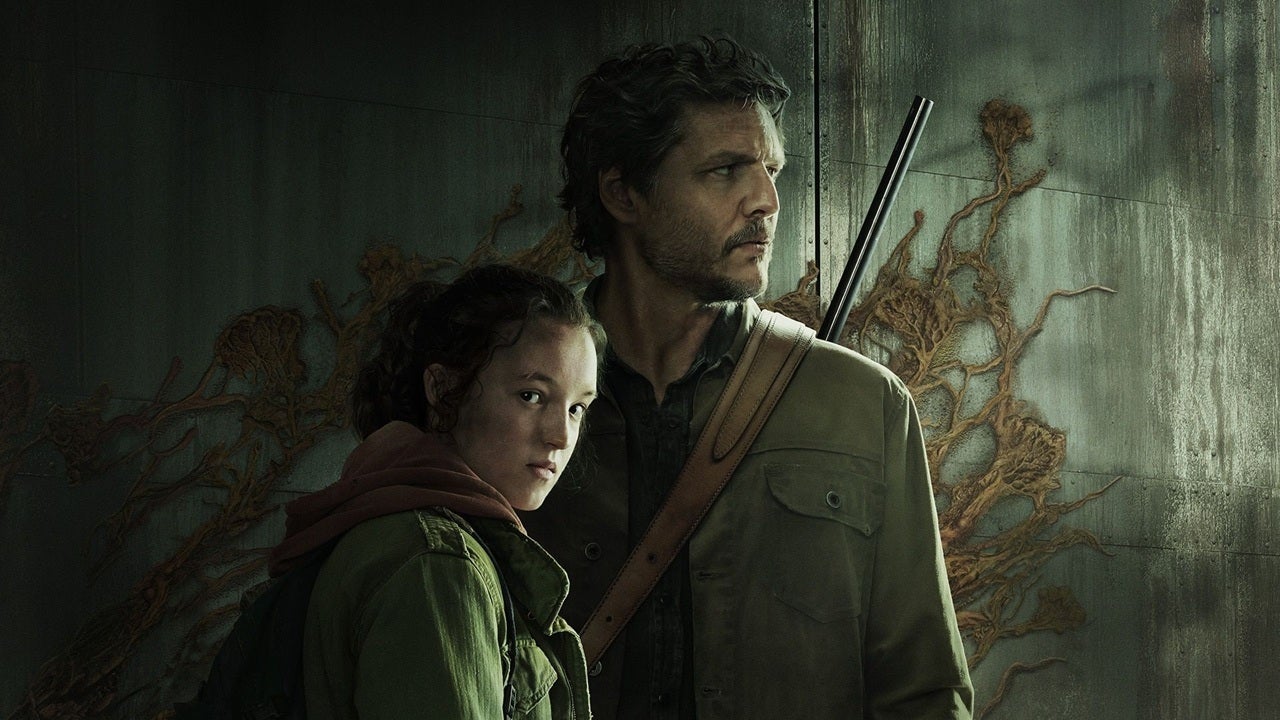
The second season of The Last of Us did not show one of the most shocking scenes from the video game due to one of Hollywood's cardinal rules
The second season of The Last of Us has generated controversies among fans, especially due to the changes made in the adaptation. One of the most debated points has been the omission of a shocking scene: the death of Alice, the dog that is killed by Ellie in the aquarium. This decision has led to multiple reactions within the viewer community. Never kill the dog (unless you are John Wick) Craig Mazin, the showrunner of the series, has addressed this topic in a recent interview with Polygon, explaining that the decision not to graphically show the death […]
The second season of The Last of Us has generated controversies among fans, especially due to the changes made in the adaptation. One of the most debated points has been the omission of a shocking scene: the death of Alice, the dog that is killed by Ellie in the aquarium. This decision has led to multiple reactions within the viewer community.
Never kill the dog (unless you are John Wick)
Craig Mazin, showrunner of the series, has addressed this issue in a recent interview with Polygon, explaining that the decision not to graphically depict Alice’s death is based on one of the so-called “cardinal rules” of Hollywood: to avoid the death of animals, especially dogs, to not overly disturb the audience. According to Mazin, there are two fundamental rules in the film industry: do not spend your own money and do not kill dogs.
Mazin argued that, since The Last of Us is a live-action series, the representation of violence becomes more intense and disturbing. Despite having shown the death of dogs in his previous series, Chernobyl, he explained that killing them on screen is a shocking decision and can only be done once in a lifetime. However, the showrunner questions the validity of the rule, citing examples such as the box office hits I Am Legend and John Wick, where the death of a dog had no negative consequences for either the narrative or audience reception.
The controversy intensifies as fans analyze the creative decisions in the series and reflect on the implications of Hollywood rules. Although the omission is justified from a narrative standpoint, many fans wonder if this decision truly meets the expectations of the original story and its emotional impact.
{
"de-DE": "Kulturjournalist und Schriftsteller mit einem besonderen Interesse für Audiovisuelles und alles, was gespielt werden kann. Ich bin nicht hier, um über meine Bücher zu sprechen, aber Sie können mich immer danach fragen, wenn Sie neugierig sind.",
"en-US": "Cultural journalist and writer with a special interest in audiovisuals and everything that can be played. I'm not here to talk about my books, but you can always ask me about them if you're curious.",
"es-ES": "Periodista cultural y escritor con especial interés en lo audiovisual y todo lo que se pueda jugar. No he venido a hablar de mis libros, pero siempre puedes preguntarme por ellos si tienes curiosidad.",
"fr-FR": "Journaliste culturel et écrivain avec un intérêt particulier pour l'audiovisuel et tout ce qui peut être joué. Je ne suis pas ici pour parler de mes livres, mais vous pouvez toujours me demander à leur sujet si vous êtes curieux.",
"it-IT": "Giornalista culturale e scrittore con un interesse speciale per l'audiovisivo e tutto ciò che può essere giocato. Non sono qui per parlare dei miei libri, ma puoi sempre chiedermi di loro se sei curioso.",
"ja-JP": "",
"nl-NL": "",
"pl-PL": "",
"pt-BR": "Jornalista cultural e escritor com um interesse especial em audiovisuais e tudo que pode ser jogado. Não estou aqui para falar sobre meus livros, mas você sempre pode me perguntar sobre eles se estiver curioso.",
"social": {
"email": "",
"facebook": "",
"twitter": "https://twitter.com/AlvaroMortem",
"linkedin": ""
}
}
View all posts by Álvaro Arbonés