
For me, for years, Kirby was white. It’s not that I’m colorblind; it’s just that on the cover of Kirby’s Dream Land, his first game from 1992, there was no pink anywhere, and since the game was made for Game Boy, there was no way to notice the colors. Masahiro Sakurai wanted a deliberately easy game to teach those new to action titles, and in fact, Kirby was just a temporary substitute: everyone on the team was convinced that at some point they would find their hero and stop using that ball called “Popopo” during testing, which they ended up becoming so fond of that they decided to make it the protagonist: its success was immediate and dazzling. And it still lasts even now, 33 years later!
I’m a pink, pink ball in a pink, pink world
In 1993, Kirby returned for a second game, the legendary Kirby’s Adventure for NES (which introduced the option to copy the abilities of your enemies by inhaling them) where it was revealed that the white ball was actually pink, much to the surprise of the entire team. It sold incredibly well despite the fact that, at that time, most games were already being made for 16-bit systems and the NES was considered, almost, a thing of the past. It was so successful, in fact, that the following year, in May, they decided it was time to launch Kirby beyond video games.
Hoshi no Kirby: Dedede de Pupupu na Monogatari (something like Kirby of the Stars: The Story of Dedede Living in Pupupu) was a manga written and illustrated by Hirokazu Hikawa that followed the adventures of friends Kitby and Chirby trying to find the treasure of Dream Land. Obviously, along the way, they would encounter, especially as games were released, Meta Knight, King Dedede, Waddle Dee, and the rest of the iconic characters from the saga, but living their own adventures and expanding the lore. It lasted 12 well-utilized years, compiled into 25 volumes of manga, but the magazine CoroCoro decided, in 2006, that it was time for it to come to an end.
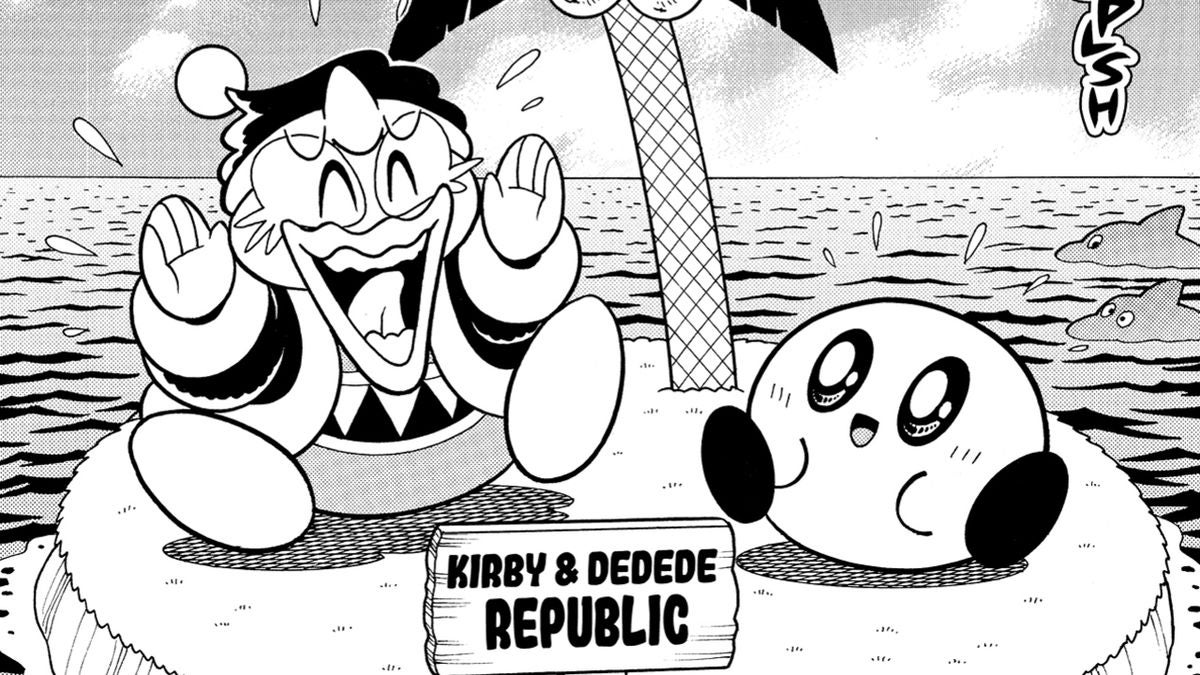
But eleven years later, in 2017, and without any kind of final announcement, it was simply republished. And it continues to be published even now! You don’t need to wonder what is happening in the plot, because the truth is that it is a manga famous for how repetitive it is: it is based on slapstick and silly comedy and, unlike other comics based on video games, like those of Sonic, there isn’t much lore to hold on to: that hasn’t stopped over 10 million copies of the volumes from being sold and it remains a coveted item for collectors.
Also, 34 children’s novels have been published where Kirby teams up with Waddle Dee and they get into different environments (hot springs, snowy mountains, music festivals, etc.) that, indeed, do not excessively expand their story: after all, Kirby still has that essence with which Sakurai created him. In other words, simple enough to engage a new audience but complex enough that seasoned experts take time to achieve a hundred percent.
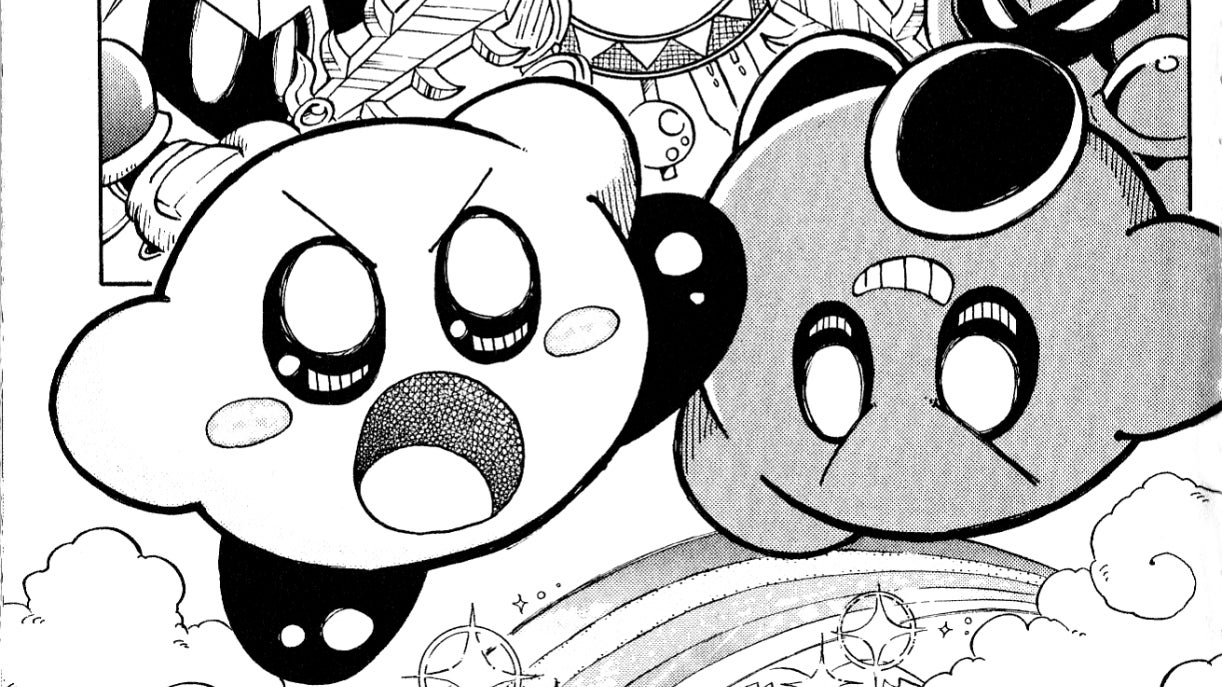
If you’re still craving more, because everything Kirby is not enough for you, you can also watch the 100 episodes of the series Right back at ya!, which this time did delve into the origins of the pink ball and how it ended up becoming the protector of Dream Land as part of the Star Warriors. And to think that it all started from a design that was almost discarded at first for being too simplistic!
