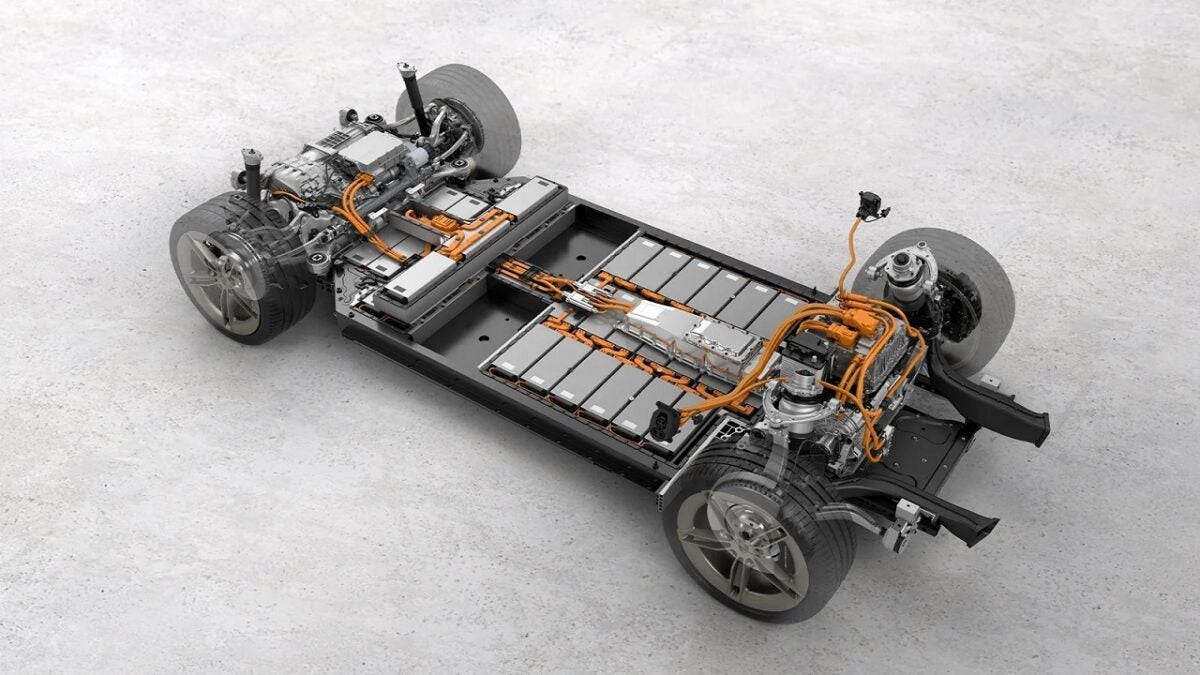
A recent study conducted by Geotab, a company specialized in automotive telematics, has revealed that the batteries of electric vehicles (EV) could have a lifespan of over 20 years, as long as the average annual degradation does not exceed 1.8%.

This finding arises from a thorough analysis of data on the health of 10,000 EV batteries, which shows a decrease in the degradation rate, which has dropped from 2.3% to 1.8% over a five-year period. By the way, Mercedes is going to bring its chargers to the U.S. and Canada.
Geotab states that if batteries continue to degrade at this rate, it is likely that most of them will exceed the lifespan of the vehicles, which is approximately 15 years.
20 years of battery life, longer than the lifespan of an electric car currently
Despite existing concerns about loss of capacity and autonomy, the study indicates that guarantees against excessive degradation are common, and are rarely claimed by owners.
The comparative analysis of different EV models, including the 2015 Tesla Model S and Nissan Leaf, shows that there are significant differences in battery degradation.
Factors such as the frequent use of fast direct current (DC) chargers and adverse weather conditions, especially in warm climates, influence battery performance, highlighting the importance of an active cooling system in these vehicles.
Despite the study providing an encouraging outlook on the longevity of EV batteries, Geotab warns that more long-term information is needed, as most electric vehicles today are relatively new.
This raises questions about the durability of older models compared to the new ones that incorporate advanced temperature management technologies.
The increase in efficiency and the growth of electric vehicle charging infrastructure almost guarantee that, in the future, sustainable mobility will be a more accessible reality.
The combination of electric vehicles, ethical material extraction, battery recycling, and renewable electricity generation paves the way for more sustainable transportation in the long term.