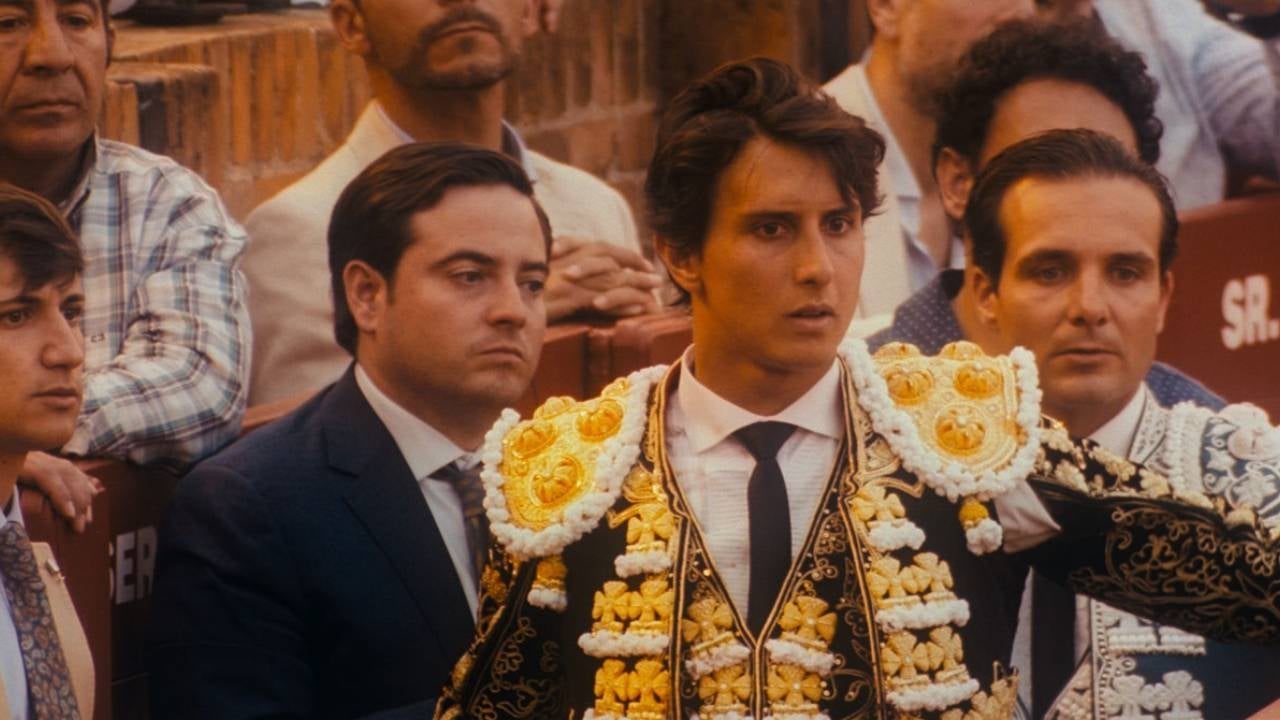
The San Sebastián Film Festival concluded with a major controversy by awarding the Golden Shell to Afternoons of Solitude, the documentary by Catalan director Albert Serra that portrays the world of bullfighting in a raw and unfiltered manner. However, this work, which has been described both as a tribute to bullfighting and as an implicit critique, has divided the audience and generated significant discussion since its premiere.

Subscribe to the Softonic newsletter and get the latest in tech, gaming, entertainment and deals right in your inbox.
Subscribe (it's FREE) ►The film focuses on the figure of the bullfighter Andrés Roca Rey, providing unprecedented access to the interior of the bullring and the behind-the-scenes of this spectacle, which, for some, remains an art. At the same time, for the vast majority, it is an anachronistic barbarity. But what has been the perspective of this documentary, and, more importantly, what are its conclusions?
Tribute or criticism?
Curiously, the documentary does not make clear judgments, leaving it up to the viewer to decide what to interpret from the images: an ode to courage or a critique of the stark violence of this “art.” Serra places the camera at ground level, allowing the audience to immerse themselves in the tense and testosterone-charged atmosphere of the bullring. The close-ups of the bullfighters, the defiant looks, and the pre-fight rituals capture both the adrenaline and the fragility of these men who risk their lives in each performance.
But the brutality of the spectacle is also starkly present: the blood, the suffering of the animal, and the relentless pressure surrounding each bullfight are elements that can hardly go unnoticed. Therefore, for some, Afternoons of Solitude celebrates bullfighting, highlighting bravery. Others, however, see Serra’s work as a Trojan horse, a veiled critique that exposes the absurdity of this bloody ritual and the toxic masculinity that envelops its protagonists. The film does not offer definitive answers, but it is clear that if it has come this far, it is because it elevates the debate to a very high level.
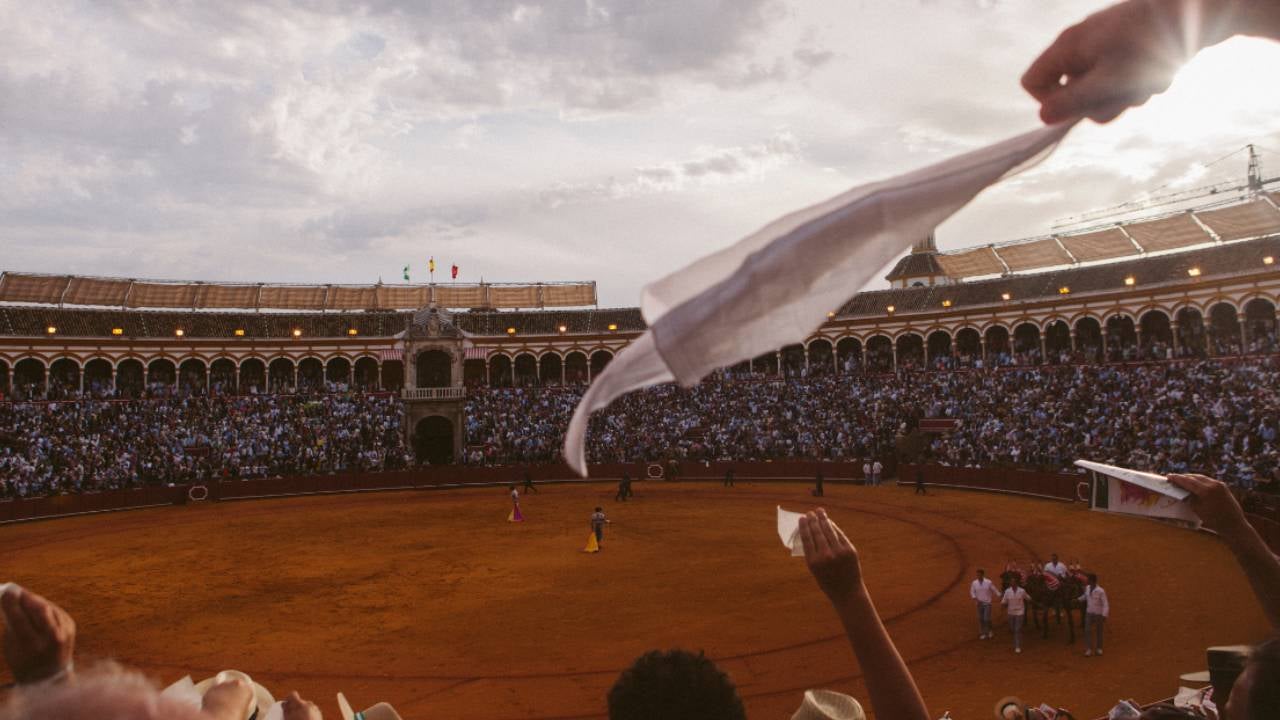
According to Serra, the film is not about judging whether bullfighting is ethical, but about capturing its “transcendence.” The figure of the bullfighter facing the beast becomes a representation of human bravery in the face of life’s challenges, an image that, nevertheless, remains somewhat unclear due to its narrative. Ultimately, if the film has succeeded, it is precisely because it is difficult to know what to think about it. But brutality, in the end, prevails over everything else.
