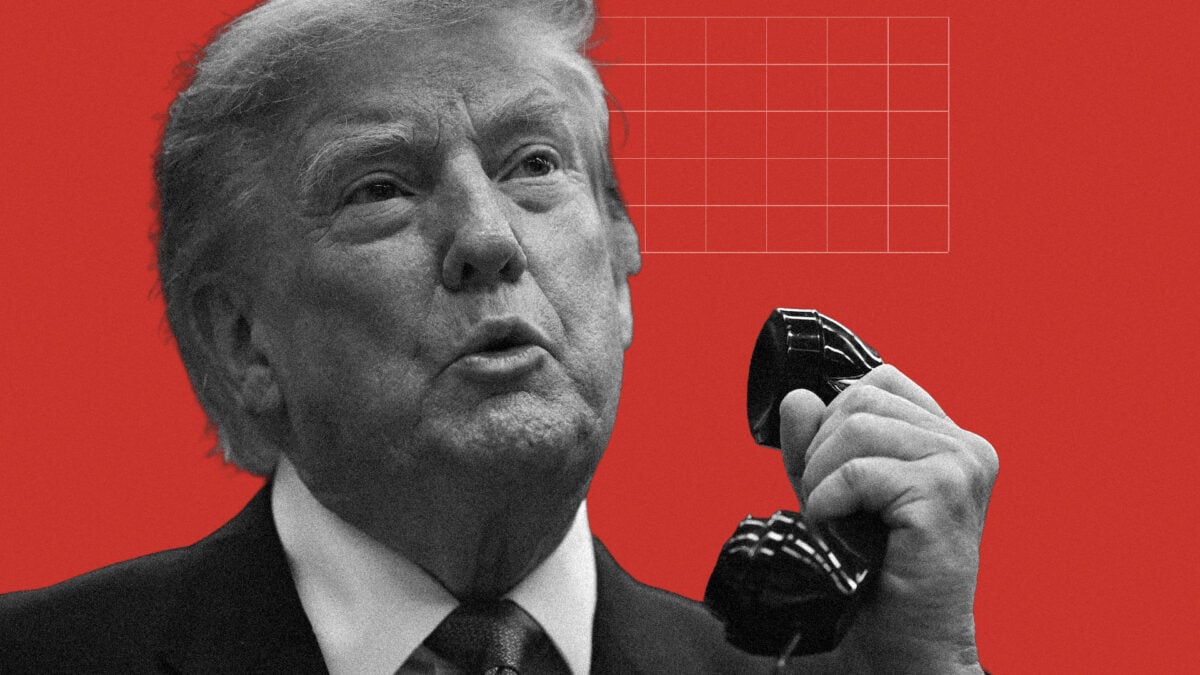
Donald Trump has come out in favor of automated license plate readers, or ALPR cameras, arguing that they help police solve crimes and that the privacy cost is a fair trade. His comments put the technology back at the center of the debate, and they bring fresh attention to Flock Safety, which says it operates 120,000 cameras, handles billions of scans each month, and helped with 1 million investigations in 2025, along with 10,000 missing-person cases.
The objections haven’t changed. Critics say ALPR systems let police collect huge amounts of data on drivers who haven’t done anything wrong: license plates, timestamps, and location records, often without a warrant, probable cause, or reasonable suspicion. That can include routine trips to work, visits to doctors, attendance at protests, and travel to places of worship.
They also point to false matches and cases where the systems were allegedly used for stalking. The Los Angeles Police Department walked away from its Flock Safety contract over questions about who controls the data and how it’s shared. Other departments have paused their agreements or dropped them outright. And an August YouGov poll showed the public split against police use, with 46% opposed and 38% in support, including in places such as Houston-area communities, Toledo, and Kyle, according to YouGov.
Anyone who pays attention to surveillance policy in the US should keep an eye on this.
Expect the American Civil Liberties Union to keep pressing for tighter rules on data retention, access, and warrants. Expect the industry to back guardrails while resisting routine warrant requirements. And expect more scrutiny of America’s patchwork approach, especially when it’s set beside the clearer frameworks used in the UK, the EU, and Canada.

Author: Manuel Bosque
{
"social": {
"email": "",
"facebook": "",
"twitter": "",
"linkedin": ""
},
"ja-JP": "",
"de-DE": "Manuel Bosque schreibt bei Softonic über Software: Desktop-Programme, Produktivitätswerkzeuge und kleine Tools, die ein Problem wirklich lösen. Sein Maßstab ist praktisch — was ein Programm tatsächlich leistet, was es dafür verlangt und für wen es sich lohnt —, deshalb misstraut er Funktionslisten und testet lieber selbst. Er gehört zum Team, das festlegt, wie Software auf der Seite behandelt wird, und arbeitet täglich mit KI-Werkzeugen in der redaktionellen Produktion.",
"en-US": "Manuel Bosque covers software at Softonic: desktop programs, productivity tools and the small utilities that solve one problem well. His approach is practical — what a program actually does, what it asks in return and who it is for — which is why he distrusts feature lists and prefers to test. He is part of the team that decides how software gets covered on the site, and works daily with AI tools applied to editorial production.",
"es-ES": "Manuel Bosque se ocupa de la cobertura de software en Softonic: programas de escritorio, herramientas de productividad y utilidades pequeñas que resuelven bien un solo problema. Su criterio es práctico —qué hace realmente un programa, qué pide a cambio y a quién le sirve—, y por eso desconfía de las listas de funciones y prefiere probar. Forma parte del equipo que decide cómo se cuenta el software en la web y trabaja a diario con herramientas de IA aplicadas a la producción editorial.",
"fr-FR": "Manuel Bosque couvre les logiciels chez Softonic : programmes de bureau, outils de productivité et petits utilitaires qui résolvent bien un seul problème. Son approche est pratique — ce qu'un logiciel fait vraiment, ce qu'il demande en échange et à qui il s'adresse —, d'où sa méfiance envers les listes de fonctionnalités et sa préférence pour l'essai. Il fait partie de l'équipe qui définit la manière de traiter le logiciel sur le site et travaille au quotidien avec des outils d'IA appliqués à la production éditoriale.",
"it-IT": "Manuel Bosque si occupa di software su Softonic: programmi per il desktop, strumenti di produttività e piccole utility che risolvono bene un solo problema. Il suo criterio è pratico — cosa fa davvero un programma, cosa chiede in cambio e a chi serve — e per questo diffida degli elenchi di funzioni e preferisce provare. Fa parte del team che decide come si racconta il software sul sito e lavora ogni giorno con strumenti di IA applicati alla produzione editoriale.",
"nl-NL": "Manuel Bosque schrijft bij Softonic over software: desktopprogramma's, productiviteitstools en kleine hulpprogramma's die één probleem echt oplossen. Zijn maatstaf is praktisch — wat een programma werkelijk doet, wat het daarvoor vraagt en voor wie het nuttig is — en daarom wantrouwt hij functielijstjes en test hij liever zelf. Hij maakt deel uit van het team dat bepaalt hoe software op de site wordt behandeld en werkt dagelijks met AI-tools in de redactionele productie.",
"pl-PL": "Manuel Bosque zajmuje się oprogramowaniem w Softonicu: programami na komputer, narzędziami do pracy i niewielkimi aplikacjami, które dobrze rozwiązują jeden problem. Jego kryterium jest praktyczne — co program naprawdę robi, czego wymaga w zamian i komu się przyda — dlatego nie ufa listom funkcji i woli sprawdzić sam. Należy do zespołu, który decyduje, jak pisać o oprogramowaniu w serwisie, i codziennie korzysta z narzędzi AI w produkcji redakcyjnej.",
"pt-BR": "Manuel Bosque cobre software na Softonic: programas para desktop, ferramentas de produtividade e pequenos utilitários que resolvem bem um problema só. Seu critério é prático — o que um programa realmente faz, o que pede em troca e para quem serve — e por isso desconfia de listas de recursos e prefere testar. Faz parte da equipe que define como o software é abordado no site e trabalha diariamente com ferramentas de IA aplicadas à produção editorial."
}
View all posts by Manuel Bosque