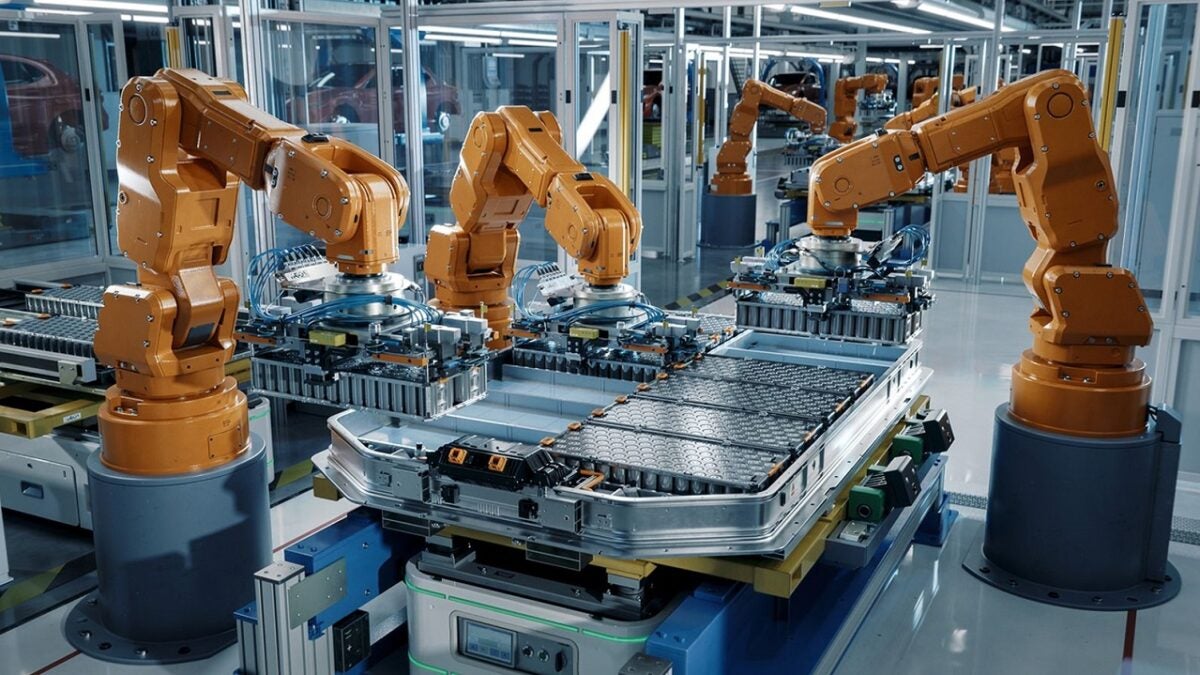
In a significant move for the energy sector, members of the U.S. energy industry have pledged to invest $100 billion over the next five years to support the development and acquisition of domestically manufactured batteries for large-scale deployments of Battery Energy Storage Systems (BESS).
Representatives from the American Clean Power Association (ACP) and various utility companies announced the commitment, emphasizing a goal to quintuple active investments. However, achieving this ambitious plan hinges on the creation of a streamlined permitting environment and predictable tax and trade policies.
“This commitment demonstrates what success can look like”, said ACP CEO Jason Grumet, highlighting the paradox of strong investment fundamentals against a backdrop of significant policy uncertainties stemming from previous trade tariffs.
Major players ramp up U.S. battery manufacturing amid supply chain concerns
Currently, the majority of batteries used in the U.S. are sourced from Asia, which has raised concerns over supply chain vulnerabilities and tariff implications.
COVID-19 pandemic disruptions have accelerated the push for a more resilient domestic manufacturing base. Companies like Fluence are stepping up, with plans to deliver their first U.S.-made lithium-iron-phosphate (LFP) batteries this year.
Similarly, LG Energy Solution Vertech is expanding its manufacturing capabilities, with projections to produce 16.5 GWh of stationary storage batteries in Michigan by 2025, increasing to 27.5 GWh by 2026.
This drive for domestic production aligns with a broader trend within the industry toward improving battery efficiency and reliability. As prices for battery technology decrease, major players like Tesla and Hyundai are entering the fray, pushing the boundaries of electric vehicle performance.
Moreover, firms like Form Energy are actively working to source more than 80% of their components within the U.S., aiming to mitigate exposure to external supply disruptions.
As the landscape evolves, innovative solutions are emerging, with companies leveraging smart BESS deployments to lower costs and enhance grid resilience. With these initiatives on the rise, the commitment to domestic battery production is set to play a crucial role in shaping the future of energy storage in the U.S.