
Meta‘s expertise lies not in creating social networks or metaverses (apologies for the joke) or inundating apps with advertisements (hang in there, WhatsApp). Above all else, Meta excels at collecting lawsuits.

This week, a coalition of 33 Attorneys General from states across the United States, both Democrats and Republicans, has filed a lawsuit against Meta, the company owned by Mark Zuckerberg. The lawsuit alleges that Meta’s social media platforms, such as Facebook and Instagram, are designed in a way that is “psychologically and physically harmful to younger users,” promoting “compulsive, prolonged, and unhealthy use.”
“Meta has leveraged powerful and unprecedented technologies to attract, engage, and ultimately trap young people and teenagers,” according to the lawsuit filed in the federal court in Oakland, California. “Their motivation is profit.”
The Attorneys General highlighted various design elements of Meta’s platforms, especially Instagram, in the lawsuit, claiming that they negatively impact the mental health of underage users. Among the mentioned features are the Like button, push notifications from apps, and algorithmic feeds.
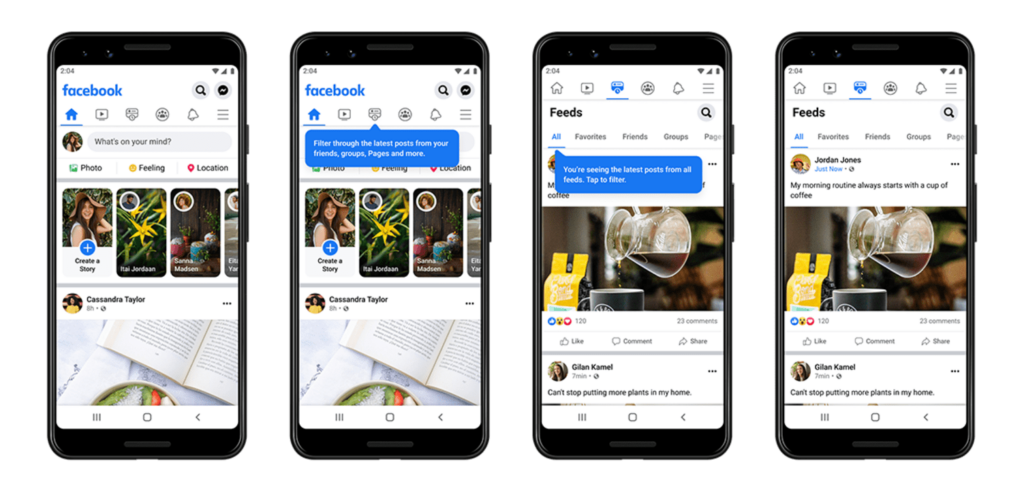
In an article, Fortune magazine breaks down the most harmful elements for young people detailed in the lawsuit: algorithms designed to keep users on the platform for extended periods; social comparison tools, such as the “like” system; visual tools, including filters, that can trigger body dysmorphia; and user experience designs like “endless scrolling,” which encourage continuous browsing.
According to the research conducted by the states, these social media features exploit young users’ fear of missing out (a well-documented fear known as FOMO) and associate them with “depression, anxiety, insomnia, interference with education and daily life, and many other negative outcomes.”
